
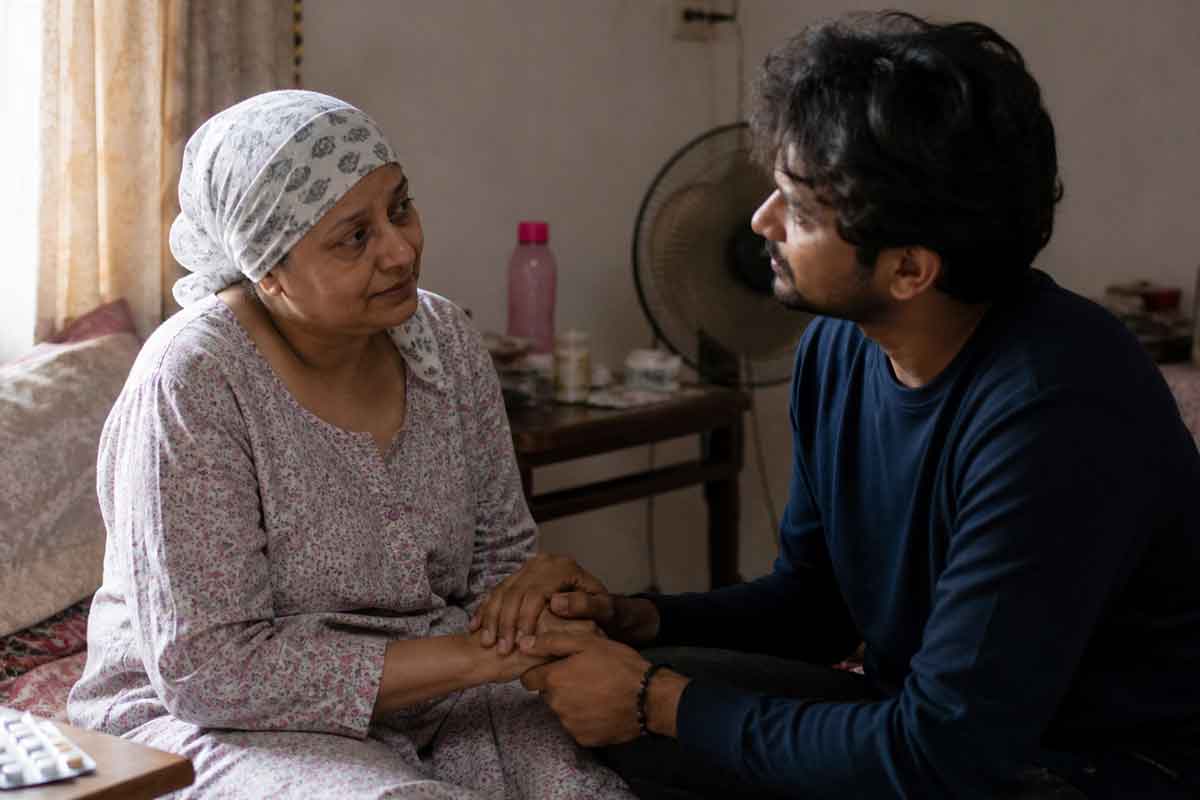
A 24-year-old woman in Foshan, China, placed an unusual order on a food delivery app in April 2026. Not for food. She asked a rider to simply sit beside her hospital bed for two hours. Her name is Little Li. She is battling a rare blood cancer. Her father works away from home to fund her chemotherapy. Her brother is at an internship. After her fourth round of treatment, she was completely alone and she found the only tool available to her: a food app. The story went viral globally. In India, where the National Cancer Registry reports over 14 lakh new cancer cases every year, the moment struck a nerve far deeper than a heartwarming video.
The Part Every Article Missed
Most coverage called this a feel-good story. Delivery riders visited. Strangers brought flowers. The internet cried. But here is the thing Little Li’s story is not just a moment of kindness. It is a clinical alarm. A 2025 systematic review published in BMJ Oncology, analysing data from over 1.5 million cancer patients across 12 studies, found that loneliness raises the all-cause mortality risk in cancer patients by 34%. A separate analysis found that socially isolated breast cancer survivors face a 64% higher risk of cancer recurrence compared to those who remained socially connected.
That is not a soft statistic about mental health. That is a survival number. And yet, across every oncology ward in India from AIIMS Delhi to Tata Memorial Mumbai there is no standard screening tool for loneliness before chemotherapy begins.
Why Indian Patients Are Especially Vulnerable?
India’s cancer burden is unique in one painful way. The financial cost of treatment routinely forces families to split apart. Fathers migrate for work. Siblings pause education. Caregivers exhaust themselves silently. According to data from the Indian Council of Medical Research (ICMR), the average out-of-pocket expenditure for cancer treatment in India can exceed Rs 3 lakh per year for a single patient often wiping out a household’s entire annual income.
Little Li’s story is not from a poor family. Her father is simply away because of her treatment costs. That exact dynamic plays out in thousands of Indian homes every day. The cancer patient sits alone in a ward not because the family stopped caring, but because someone has to earn enough to keep the treatment going.
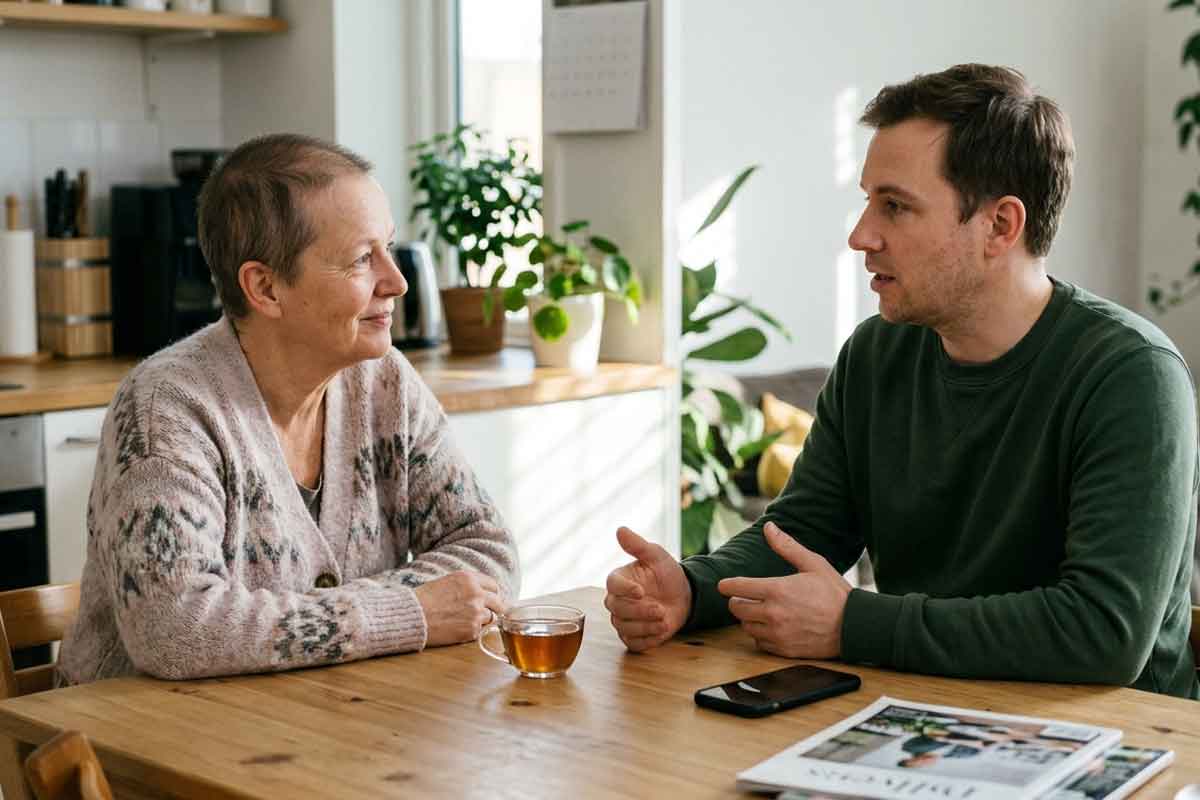
Loneliness Is Not Just an Emotion – It Is a Biology Event
Most people miss this part entirely. When a cancer patient feels lonely, the brain triggers a stress response. Cortisol levels rise. Inflammatory markers increase. The immune system already under enormous pressure from chemotherapy weakens further. Research published in journals linked to St. Jude Children’s Research Hospital describes this as immune dysregulation driven by psychosocial stress.
Think about it this way: your body is already fighting cancer on one front. Loneliness opens a second front internally. Two hours of genuine human presence a hand held, a conversation had lowers that stress response measurably. Not metaphorically. Measurably.
Timeline: How Little Li’s Story Unfolded?
| Date | Event |
|---|---|
| April 15, 2026 | Little Li places unusual companionship order on food delivery app in Foshan, Guangdong |
| April 16–18 | First rider shares story in local rider group; multiple volunteers visit the hospital |
| April 25, 2026 | Story reported by CGTN and South China Morning Post; goes international |
| May 1–2, 2026 | Viral globally; trends on X India; NDTV, Moneycontrol, Inshorts cover the story |
The Myth That Needs Busting Right Now
Common belief: Cancer patients feel lonely because their family is not supportive enough.
What the research actually says: According to a 2026 study published in PLOS One, the strongest predictors of loneliness among cancer survivors are not family absence but treatment-related physical limitations, disrupted identity, and the inability of loved ones to fully understand the cancer experience. Friends and coworkers pull away not always from callousness, but from not knowing what to say. Over 35% of cancer patients report feeling more isolated from friends than from family. A support group pamphlet does not fix this. Presence does.
What Roughly 30% of Young Cancer Patients Experience?
A 2024 study in the journal Cancer found that approximately 30% of young adult cancer survivors aged 18 to 39 reported at least mild social isolation. This is the group most likely to feel like they have been left behind watching peers get promotions, marry, travel, while they are managing nausea, hair loss, and port placements. The American Cancer Society has flagged this population as critically underserved in social and emotional care.
In India, this demographic faces an additional layer: the cultural pressure to appear strong, to not burden the family, to hide suffering. Many patients conceal their loneliness out of shame. Research confirms this pattern explicitly patients associate loneliness with weakness and rarely disclose it to their oncologist.
What Should Actually Change And What You Can Do Today?
The US Surgeon General’s 2023 Advisory declared loneliness a public health epidemic. India has no equivalent formal response yet. But individual action is possible right now.
- If you have a loved one in cancer treatment, schedule a fixed visiting time even one hour a week. Consistency matters more than duration.
- Ask oncologists directly: “Is there a social worker or counsellor attached to this ward?” Many top hospitals in India have them but patients never know to ask.
- Organisations like CanSupport (Delhi), Vandrevala Foundation, and iCall offer free emotional support services for cancer patients and caregivers across India.
- If you are a caregiver feeling isolated yourself one-third of cancer caregivers report high loneliness seek peer support. Your breakdown does not help your patient.
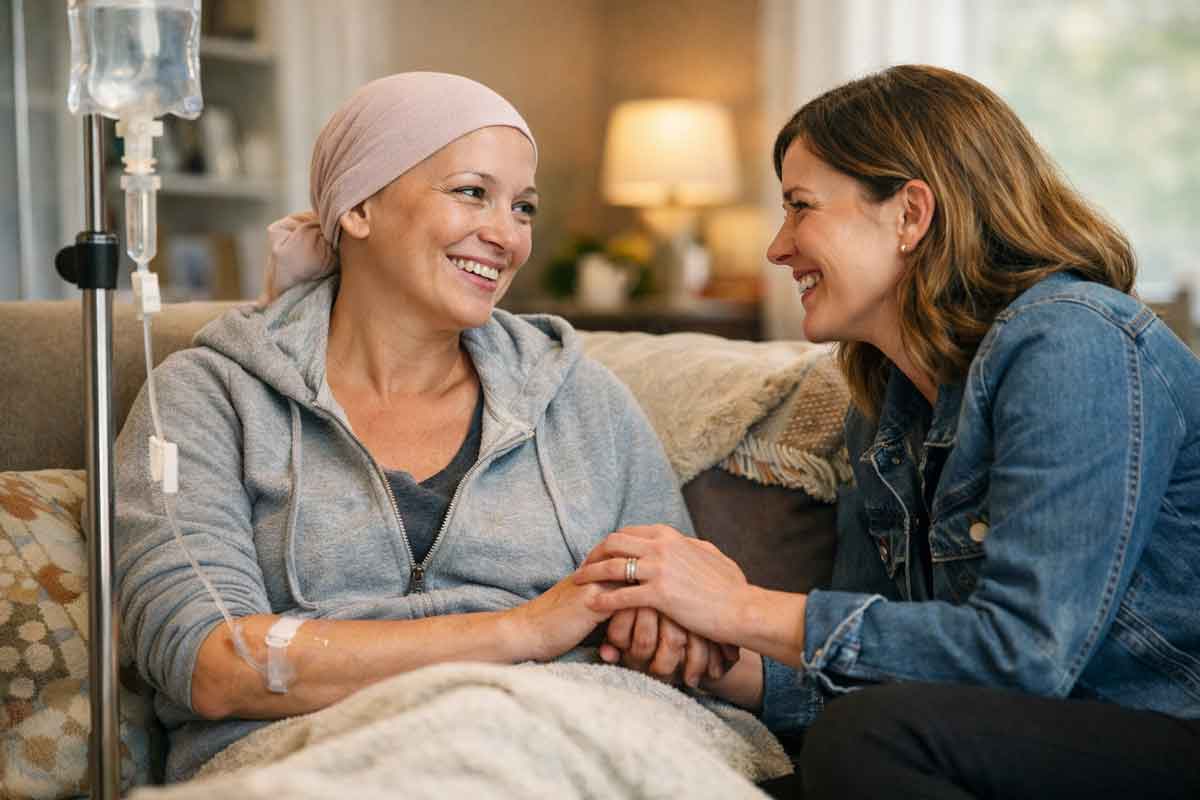
Little Li did not need a new drug. She needed a chair pulled close to her bed and another human being in it. That is still, in 2026, the cheapest and most effective intervention with the strongest evidence and the least delivered.
FAQ
Q. Does loneliness actually affect cancer survival rates?
Yes, and the evidence is stronger than most people realise. A 2025 review in BMJ Oncology covering over 1.5 million patients found that lonely cancer patients face a 34% higher all-cause mortality risk. For breast cancer specifically, social isolation is linked to a 64% higher chance of recurrence. Loneliness triggers immune dysregulation and chronic stress hormones, which directly interfere with the body’s ability to fight disease.
Q. What support is available for lonely cancer patients in India?
Several organisations offer free or low-cost emotional support. CanSupport in Delhi provides home-based palliative and psychological care. The Vandrevala Foundation runs a 24/7 helpline (1860-2662-345) for mental health support including cancer-related distress. iCall, run by TISS Mumbai, offers professional counselling. Many major cancer hospitals like Tata Memorial and AIIMS also have oncology social workers but patients need to ask specifically for a referral.
Q. What is the viral cancer patient food delivery app story about?
Little Li is a 24-year-old woman in Foshan, China, battling a rare blood cancer. With her father working abroad to fund treatment and her brother at an internship, she was alone after her fourth chemotherapy session. She placed an order on a food delivery app asking a rider to simply sit with her for two hours no delivery needed. The rider shared her story in a local group, and a wave of strangers visited the hospital to offer company. The story went viral globally in late April and May 2026, highlighting how deeply alone cancer patients can feel even when surrounded by modern medicine.
Disclaimer : This article is intended for general informational purposes only and does not constitute medical advice. Statistics cited are sourced from peer-reviewed publications including BMJ Oncology, PLOS One, and the American Cancer Society. Readers experiencing health concerns should consult a qualified medical professional. Organisation names and helpline numbers were accurate at the time of writing please verify current availability before use.
Written by: Anil Sinha – News Hours18