

Nipah Scare Hits West Bengal: Health Officials Monitor Alipore Zoo
The quiet enclosures of Kolkata’s Alipore Zoological Gardens have recently become the center of an intense scientific investigation. Health experts and wildlife biologists are currently coordinating a screening process for the resident bat population, a move triggered by the recurring threat of the Nipah virus in the region. This isn’t just a routine checkup; it is a calculated response to a pathogen that has shown its face in West Bengal before, specifically in the border districts, leaving a trail of high mortality rates in its wake.
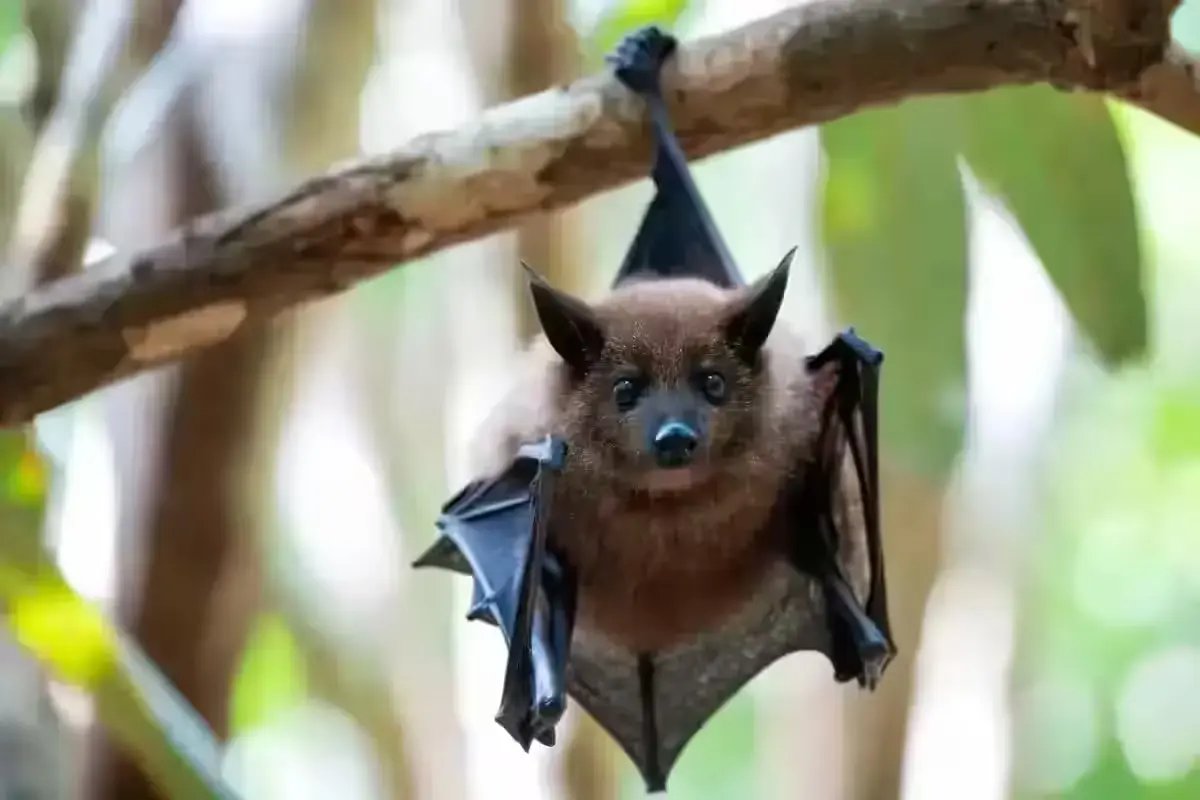
While the city goes about its daily hustle, the surveillance team is focused on the Pteropus medius, commonly known as the Indian flying fox. These large fruit bats are the primary natural reservoirs for Nipah. The urgency stems from the virus’s ability to jump from animals to humans, often with devastating neurological effects. By conducting RT-PCR tests on samples collected from the zoo’s bat colony, authorities are attempting to map the viral load and identify if the current population poses an immediate spillover risk to the urban center.
The Strategy Behind the Testing

The decision to test zoo animals marks a shift toward proactive urban biosafety. Rather than waiting for a human case to appear in a hospital ward, the state health department and zoo officials are looking for the “signal” within the environment. Field teams have been seen collecting oral and rectal swabs, along with droppings, from the trees where these bats roost. These samples are being processed in specialized laboratories to detect the presence of viral RNA.
Kolkata is uniquely positioned because of its high population density and the proximity of green spaces like the zoo and botanical gardens to residential areas. If a virus is circulating among the local bat population, the risk of contamination through half-eaten fruits or direct contact increases exponentially. This monitoring phase serves as an early warning system, allowing the government to issue specific advisories long before a cluster of infections can take hold.
A History of High Stakes
West Bengal’s history with Nipah is brief but grim. Unlike common seasonal flus, Nipah carries a case fatality rate that can reach 70 percent. Previous outbreaks in Siliguri and Nadia demonstrated how quickly the virus could paralyze a local healthcare system. The memory of those events keeps the medical community on edge. Currently, there is no vaccine for the virus, and the primary treatment remains supportive care, making “prevention through detection” the only viable strategy.
Officials are particularly concerned about the transmission route involving raw date palm sap, a popular winter delicacy in the state. Bats often frequent the trees where the sap is collected, potentially contaminating the liquid. While the zoo testing is a specific localized action, it reflects a broader state-wide anxiety regarding the zoonotic leap of such high-risk pathogens.
Public Safety and Precautionary Measures

Despite the high-profile nature of the testing at Alipore Zoo, health officials have urged the public not to panic. The testing is described as a precautionary surveillance measure rather than a response to a confirmed human outbreak in the city. However, the message from the ground is clear: stay vigilant. People living near bat colonies are advised to avoid fallen fruits and ensure that all produce is thoroughly washed and peeled before consumption.
- Avoid consuming raw date palm sap or fruits that show signs of bird or animal bites.
- Maintain strict hand hygiene after visiting areas with significant bat activity.
- Report any unusual clusters of respiratory distress or fever to local health centers immediately.
The results from the zoo’s bat samples will likely dictate the next phase of the state’s public health strategy. For now, the focus remains on the lab reports and the quiet, winged residents of the city’s oldest park.
Frequently Asked Questions
How does Nipah virus spread to humans?
The virus typically spreads through direct contact with infected animals, such as bats or pigs, or by consuming food contaminated with their secretions. Human-to-human transmission is also possible through close contact with an infected person’s bodily fluids.
What are the primary symptoms to watch for?
Infection often starts with fever and headache, frequently progressing to respiratory issues like a cough or sore throat. In severe cases, it can lead to encephalitis (swelling of the brain), causing confusion, seizures, and coma within 24 to 48 hours.
Is there a specific cure or vaccine for Nipah?
No, there is currently no specific drug or vaccine approved for Nipah virus. Treatment is limited to intensive supportive care to manage the complications of the infection.
This report is based on ongoing health surveillance updates. Please consult official government health advisories for the most recent safety protocols and medical guidance regarding viral outbreaks in your specific region.