
ICC Replaces Bangladesh with Scotland in T20 World Cup Amid Venue Dispute
The International Cricket Council has officially moved to replace the Bangladesh men’s team with Scotland for the upcoming T20 World Cup. This unprecedented decision follows a tense standoff where the Bangladesh Cricket Board (BCB) flatly refused to play their scheduled matches in India. While global cricket tournaments usually pride themselves on inclusivity, the governing body appears to have run out of patience with the logistical and political roadblocks presented by the Dhaka-based board.
This is not just a minor scheduling change; it is a tectonic shift in the tournament’s lineup. Scotland, who had narrowly missed out on initial qualification, now finds themselves thrust into the global spotlight. For Bangladesh, the consequences are immediate and severe. By opting out of the tournament over venue disagreements, the BCB has triggered a series of sanctions that could see the nation sidelined from more than just this single event.
The Security Impasse and the BCB’s Final Refusal
The heart of the matter lies in the BCB’s stubborn stance against traveling to India. Despite multiple rounds of negotiations and attempts by the ICC to facilitate a neutral ground environment for certain administrative tasks, the refusal to set foot on Indian soil for the actual fixtures proved to be the breaking point. The ICC has historically been wary of allowing individual boards to dictate the geography of world events, and this firm replacement serves as a warning shot to other member nations.
According to reports, the ICC commissioned independent security assessments from both internal and external experts. These reviews concluded that there was no credible or verifiable security threat to the Bangladesh national team in India. However, the BCB, influenced by a diktat from its interim government, remained adamant that traveling to India was not an option. Following a final 24-hour ultimatum that expired on Friday, January 23, 2026, the global body proceeded to identify Scotland as the replacement team based on their 14th-place T20I ranking.
Rising Tensions: Shahid Afridi and the ‘Double Standards’ Debate
Public reaction has been swift and polarized. Former Pakistan captain Shahid Afridi has already entered the fray, suggesting that the ICC should be focusing on “building bridges rather than burning them.” Afridi accused the governing body of inconsistency, pointing out that India’s security concerns regarding Pakistan during the 2025 Champions Trophy resulted in a hybrid model, whereas Bangladesh’s requests were flatly denied.
However, the ICC’s recent tone suggests that the era of endless compromise is ending. There is a sense that the governing body is now prioritizing the commercial and operational stability of the World Cup over the political sensitivities of individual boards. The ICC noted that altering the schedule at such a late stage—with the tournament set to commence on February 7, 2026—was simply not feasible.
The Domino Effect: ICC’s Ultimatum to Pakistan
The fallout is also spreading toward Pakistan. Reports indicate that the ICC has issued a stern warning to the Pakistan Cricket Board (PCB) regarding any potential boycott stunts in solidarity with Bangladesh. PCB Chairman Mohsin Naqvi has publicly called the ICC’s decision “unfair,” but the global body has reportedly threatened Pakistan with total cricketing isolation if they withdraw.
The proposed sanctions against Pakistan are severe, including a potential suspension from bilateral series, exclusion from the Asia Cup, and a coordinated “No NOC” policy that would prevent foreign stars from playing in the Pakistan Super League (PSL). The ultimatum is clear: participate according to the established framework or face a financial and professional crisis that could cripple the sport in the country.
Tournament Launch: February 7 Start Date
The 10th edition of the ICC Men’s T20 World Cup is scheduled to kick off on February 7, 2026. Co-hosted by India and Sri Lanka, the tournament will feature 20 teams divided into four groups. A total of 55 matches will be played, culminating in the final on March 8, 2026. India enters as the defending champions, opening their campaign against the USA in Mumbai on the first night of the event.
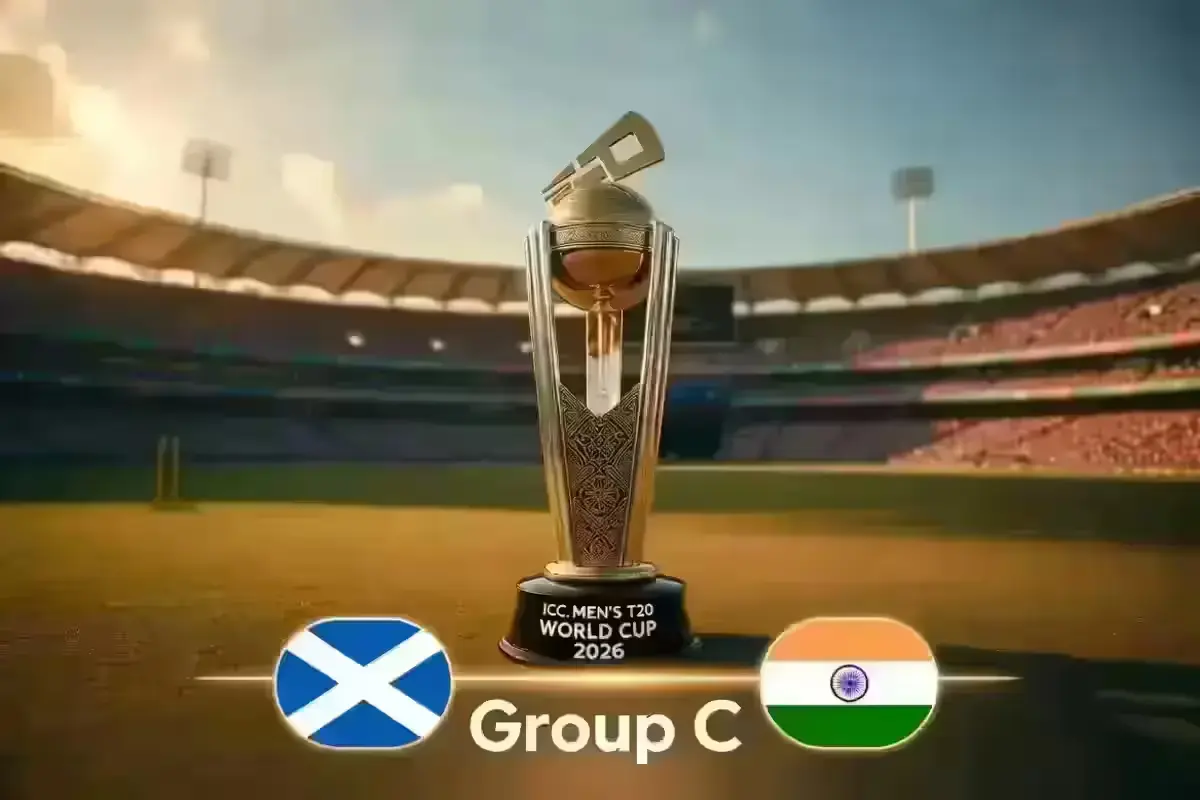
T20 World Cup 2026: Groups and Participating Teams
| Group A | Group B | Group C (Updated) | Group D |
|---|---|---|---|
| India | Australia | England | South Africa |
| Pakistan | Sri Lanka | West Indies | New Zealand |
| USA | Ireland | Scotland | Afghanistan |
| Netherlands | Zimbabwe | Nepal | Canada |
| Namibia | Oman | Italy | UAE |
Scotland’s Inherited Match Schedule (Group C)
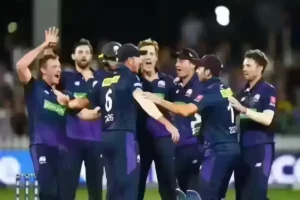
Scotland will take over all fixtures originally assigned to Bangladesh. These matches are critical for qualifying for the Super 8 stage, where the top two teams from each group will advance.
| Date | Match | Venue | Time (IST) |
|---|---|---|---|
| Feb 7, 2026 | West Indies vs Scotland | Eden Gardens, Kolkata | 3:00 PM |
| Feb 9, 2026 | Scotland vs Italy | Eden Gardens, Kolkata | 11:00 AM |
| Feb 14, 2026 | England vs Scotland | Eden Gardens, Kolkata | 3:00 PM |
| Feb 17, 2026 | Scotland vs Nepal | Wankhede Stadium, Mumbai | 7:00 PM |
For the fans in Dhaka, the news is a bitter pill. Bangladesh has featured in every T20 World Cup since its inception in 2007, and missing this edition—especially due to an administrative impasse—is a massive blow to the sport’s growth. It remains to be seen if the BCB will take the matter to the Court of Arbitration for Sport (CAS), but for now, the World Cup moves on without the Bangla Tigers.
Frequently Asked Questions
Why was Scotland chosen to replace Bangladesh?
Scotland was the next-highest ranked T20I team that had missed out on original qualification. Currently ranked 14th in the world, they were selected in accordance with the ICC’s established governance and qualification processes for identifying replacement teams.
What happens if Pakistan decides to boycott the tournament?
The ICC has signaled that no further “Hybrid Models” will be entertained for this tournament. If Pakistan withdraws, they face severe financial penalties and potential suspension from international participation, similar to the ultimatum currently facing Bangladesh.
Disclaimer: This report is based on recent international cricket developments and official ICC statements. Final tournament details and potential legal appeals from the BCB may alter future outcomes.