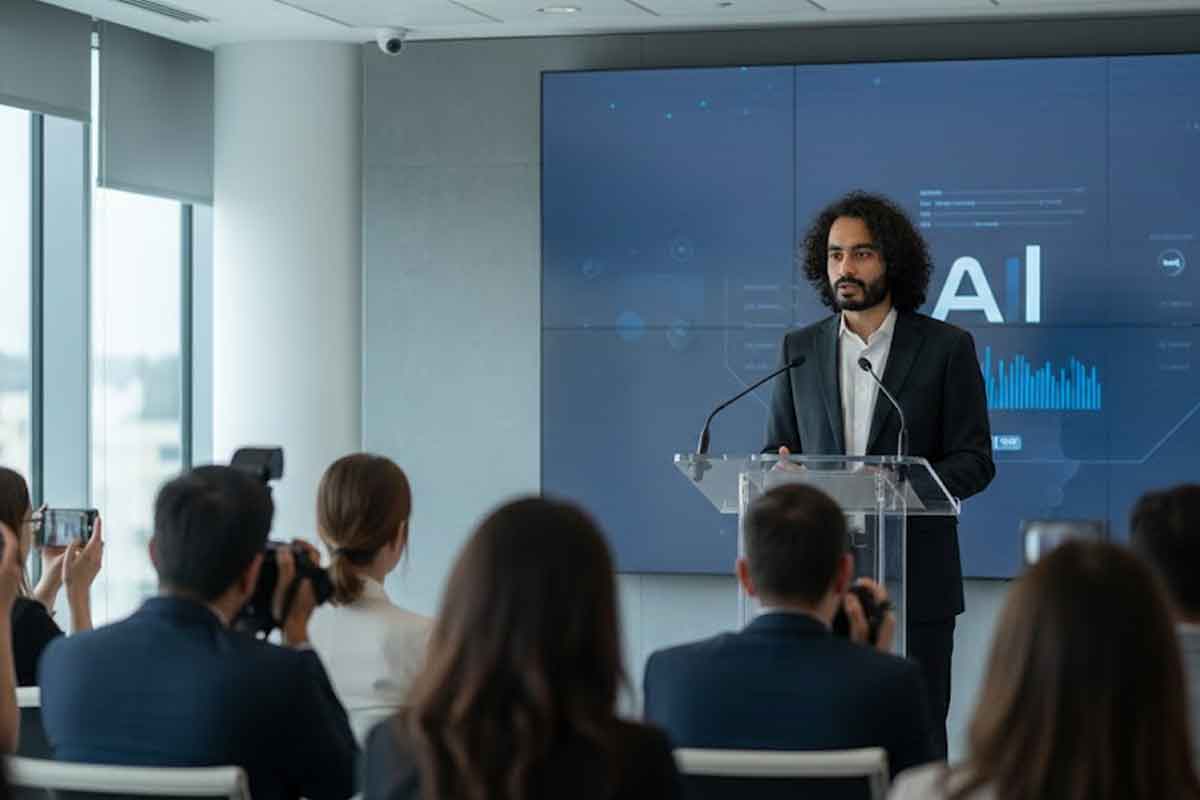


Web Development Trends 2026: From Static Pages to Agentic AI Ecosystems
The web development landscape in 2026 has officially moved past the “experimental” phase of AI and into a reality where intelligence is baked into the very core of every site. We aren’t just building websites anymore; we are creating “Agentic” digital hubs that don’t just display information—they act on it. For businesses and developers, this shift means moving away from traditional rule-based coding to adaptive, goal-oriented architectures.
For the average user, this looks like a website that actually “understands” what you want. Instead of clicking through five menus to find a product, an AI-native interface anticipates your intent and reshapes itself in real-time. It’s a bit like having a digital “yar” or personal assistant that handles the friction for you. Analysts suggest that by the end of 2026, over 60% of companies will have integrated AI into their primary development workflows, up from roughly 44% in 2024.
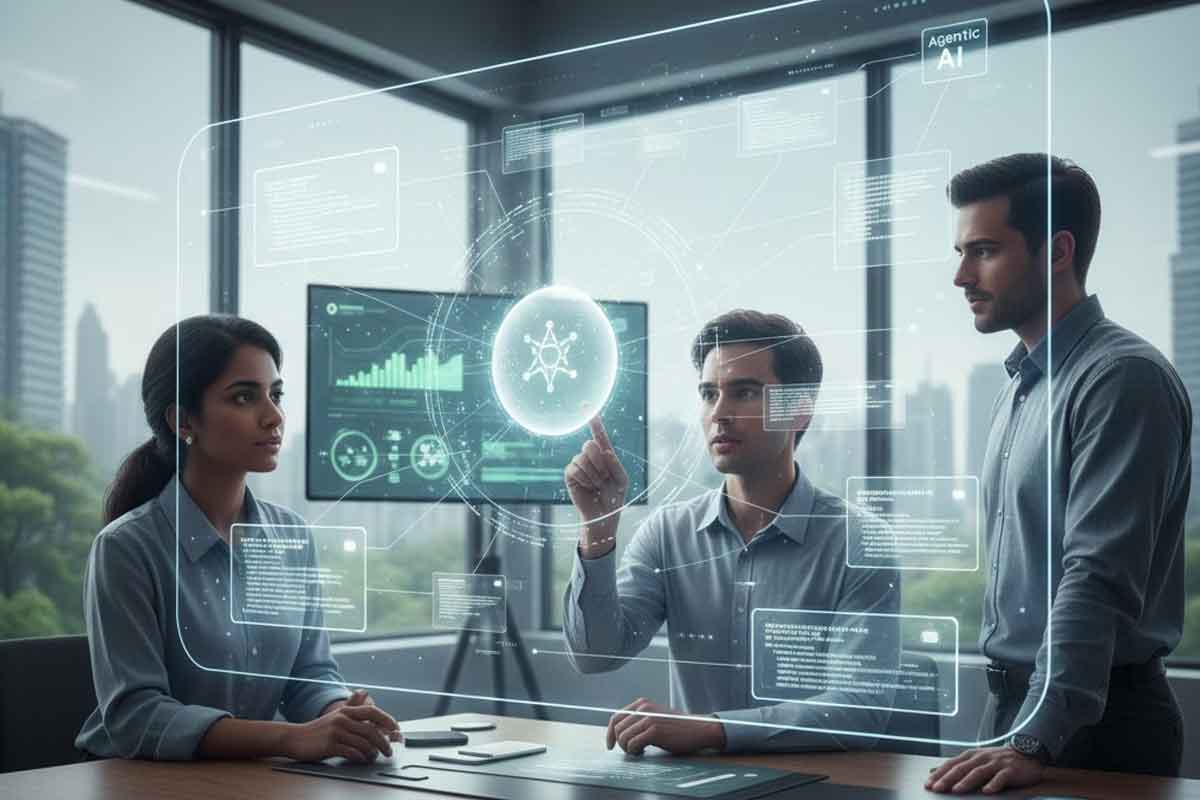
The Rise of Agentic AI and Autonomous Systems
- Beyond Chatbots: 2026 is the year of Agentic AI—systems that can independently plan and execute multi-step tasks like booking, data analysis, and personalized troubleshooting without human prompts.
- AI-Native Coding: Developers are increasingly using AI as a “production partner.” With tools like GitHub Copilot X and generative UI builders, nearly 25% of new enterprise code is now AI-generated, significantly compressing time-to-market.
- Predictive UX: Websites have moved from “Responsive” to “Adaptive,” using machine learning to predict user behavior and adjust layouts before the user even clicks.
Infrastructure: Edge Computing and Serverless Architecture
In 2026, speed isn’t just a metric; it’s a survival requirement. The “1-Second Rule” has become the industry standard, where any load time longer than a second is considered a failure. To achieve this, businesses are migrating to Edge Computing and Serverless Architectures. By serving content from edge locations physically closer to the user, sites render almost instantly, even on low-bandwidth 5G connections.
Historically, heavy features meant slower speeds. However, with WebAssembly (WASM) becoming a mainstream standard, complex applications—including video editors and 3D environments—can now run in the browser at near-native speeds. This allows for immersive “Tactile Maximalism” in design without the performance penalty that used to plague such sites.
Sustainability and the “Green” Web
One trend that has grown significantly compared to 2024 is Green Web Development. Sustainable coding practices, such as optimizing server requests and using dark mode by default to save OLED battery life, are no longer just PR moves. They are now core to SEO, as search engines increasingly reward energy-efficient sites. Numerical data shows that “lean” code can reduce a site’s carbon footprint by up to 40% while simultaneously boosting performance scores.

What to Do Now: Strategic Preparation
If you are a business owner or a lead developer, the goal for 2026 is to audit your “technical debt.” Rigid, monolithic systems are becoming a liability. Transitioning to a Headless CMS or a Micro-frontend architecture will allow you to stay modular and integrate new AI agents without a total site rebuild. The future belongs to those who view their website as a living, breathing assistant rather than a static brochure.
Figures regarding global market reach may shift once official mid-year updates arrive, but the trajectory is clear: the web is getting smarter, faster, and more human-centric.
Written by: Anil Sinha – IT Expert – News Hours18 – https://www.newshours18.com
FAQ
1. Will AI replace web developers in 2026?
No, AI is acting as a “force multiplier.” While it handles boilerplate code and testing, human creativity and architectural logic are more critical than ever to ensure brand identity and ethical data usage.
2. What is Agentic AI in web design?
Unlike standard AI that waits for a prompt, Agentic AI can independently complete tasks on a website, such as managing a user’s calendar or executing a complex purchase flow, based on a single goal.
3. Why is sustainable web development important now?
Beyond environmental benefits, “Green Coding” improves site speed and SEO rankings. Lightweight sites load faster and cost less to host, making sustainability a direct business advantage in 2026.
Disclaimer: Technological trends are rapidly evolving. The data provided reflects current market trajectories and expert analysis for 2026. Implementation should be based on specific project requirements and verified tech stack compatibility.