

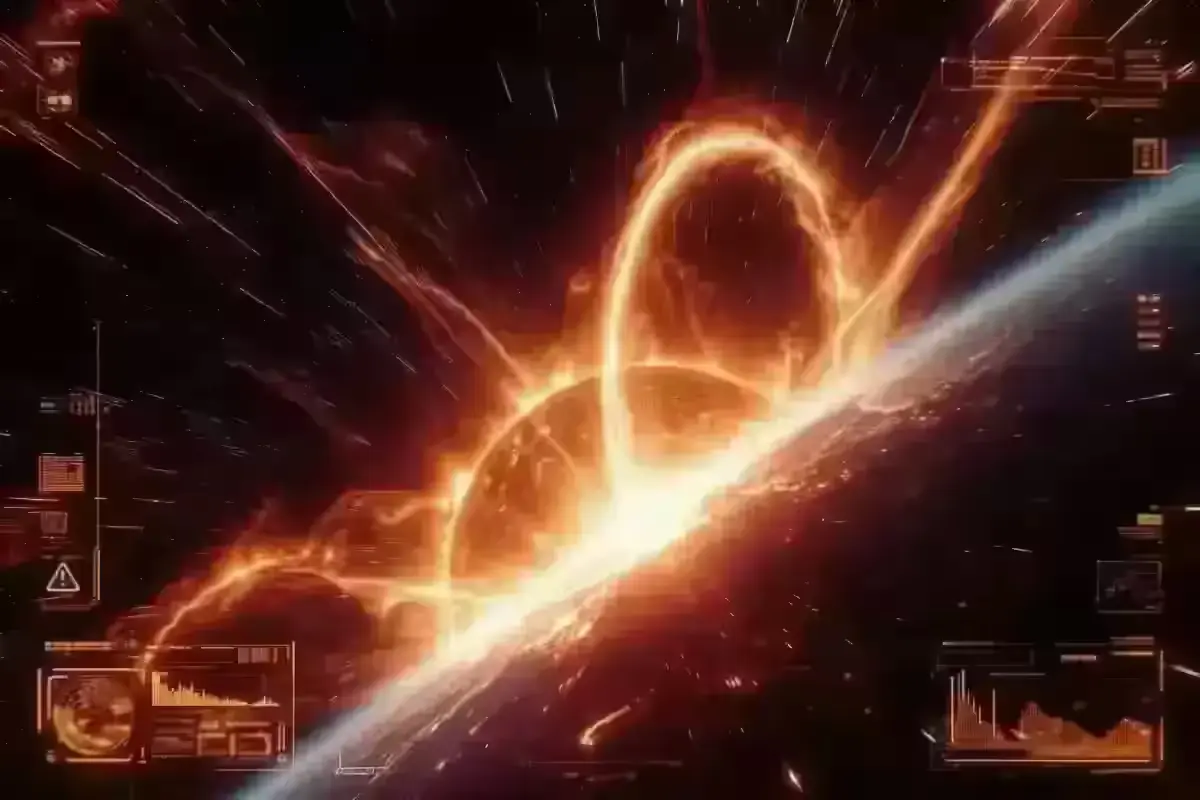
Sun Unleashes String of Powerful X-Class Solar Flares
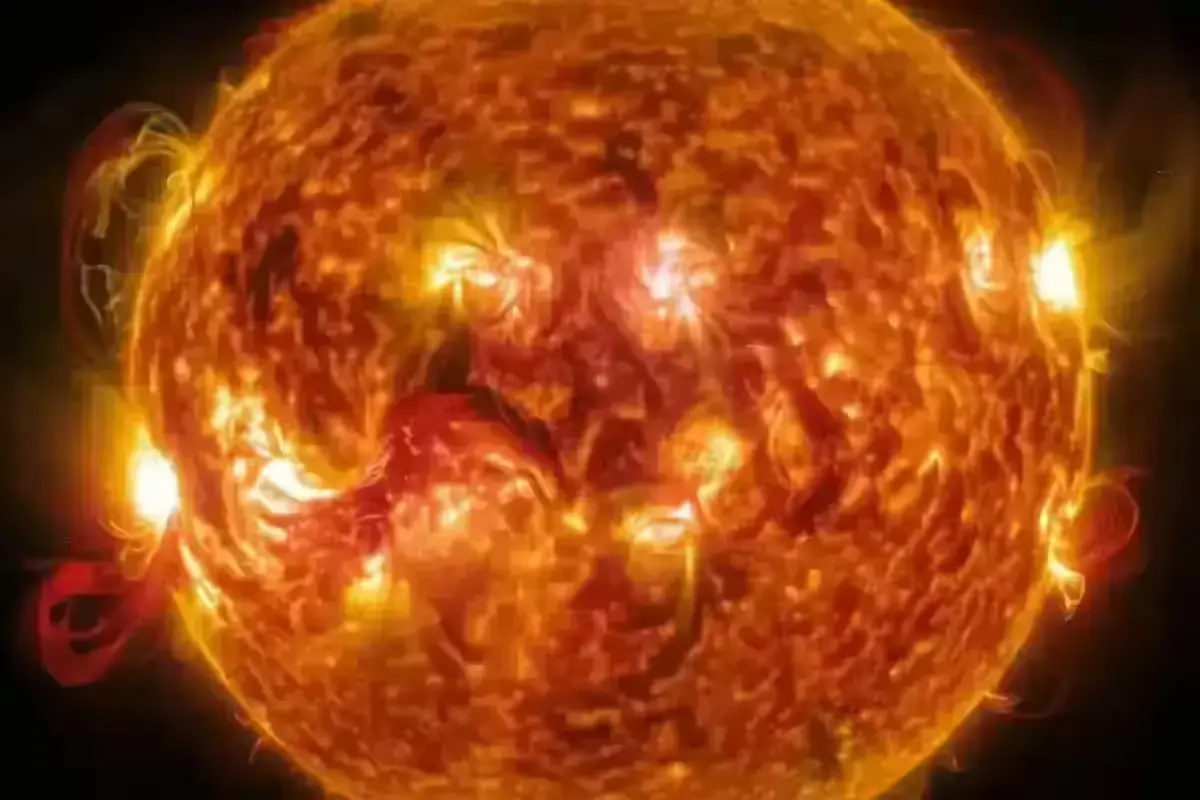
The Sun has entered an intensely active phase, releasing a series of high-energy solar flares since early February 2026. Data from NASA and space weather agencies confirm that the most significant event—a colossal X4.2 flare – erupted recently, causing immediate disruptions to high-frequency radio signals. These flares are part of the ongoing Solar Cycle 25, which appears to be reaching a much more aggressive peak than initial models predicted.
According to NASA’s Solar Dynamics Observatory, the Sun has been “angry,” releasing at least four strong flares in quick succession. The X4.2 flare, one of the strongest in recent years, sent a burst of radiation toward Earth, primarily impacting communication networks across Africa and Europe. For people on the ground, this usually translates to “dead zones” in maritime or aviation radio, and for some, a slight glitch in GPS accuracy.
ISRO Issues Warnings for India
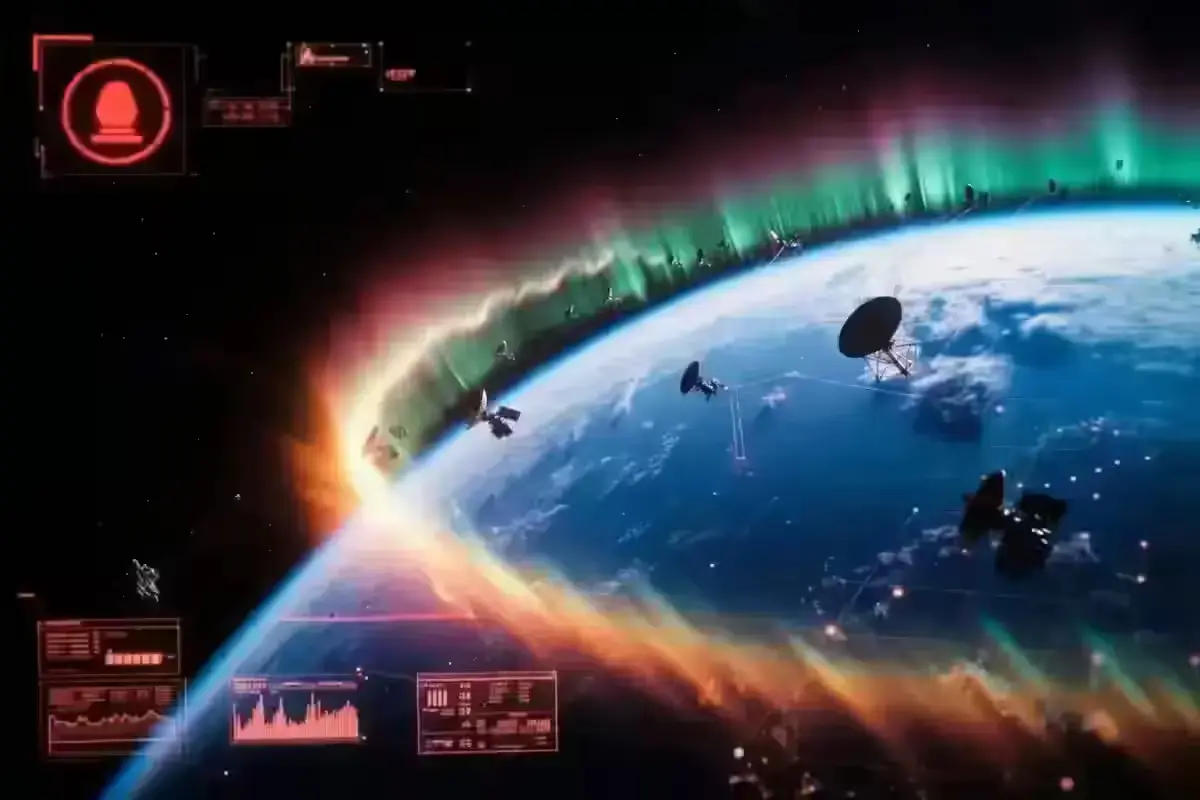
The Indian Space Research Organisation (ISRO) has alerted stakeholders about potential radio blackouts. When these flares hit the Earth’s ionosphere, they cause ionization that blocks long-distance radio waves. ISRO’s warning highlights the risk to satellite operations and power grids, though most modern infrastructure is built to withstand these shocks. Figures may shift once official updates arrive regarding the final count of M-class and X-class events this week.
Space weather experts suggest that this level of activity is typical for a solar maximum. “Historically, such moves from the Sun have meant we are in the peak window of the 11-year cycle,” notes a space weather analyst. While the visual result—vibrant Auroras—is stunning, the technical side is a headache for engineers managing global telecommunications.
Context and Future Outlook
Compared to the solar maximum of 2014, the current cycle (Cycle 25) is showing much higher frequency in X-class events. This suggests that the “Solar Max” might be longer and more intense than the previous decade. If this trend continues, we can expect more frequent satellite “drag” issues and potential shifts in orbital paths for low-Earth orbit satellites over the next 12 to 18 months.
What to do now? For the average person, there is no need for panic. However, those using high-precision GPS for farming or surveying should be aware of possible temporary inaccuracies during peak flare times. Tech enthusiasts should keep an eye on aurora trackers, as these flares often lead to spectacular light shows even in lower latitudes.
- X4.2 flare recorded as the strongest in this recent sequence.
- Radio blackouts confirmed across Europe, Africa, and parts of Asia.
- ISRO monitoring impact on Indian satellite constellation.
- Previous data on exact grid fluctuations is not available in current reporting.
It’s a bit humbling to realize that a single hiccup from a star 93 million miles away can silence our high-tech gadgets in seconds. While the science is complex, the reality is simple: the Sun is waking up, and we are right in the line of fire.
Frequently Asked Questions (FAQ)
1. Will these solar flares affect my cell phone or 5G connection?
Generally, no. Your direct cellular or 5G signal between your phone and the tower is not affected by solar radiation. However, if a massive flare (like the recent X8.1) triggers a power grid failure or disrupts the satellite “backbone” that carriers use for data timing, you could experience indirect service outages. Most users will only notice issues with streaming or apps that rely heavily on precise GPS location.
2. Are these solar flares dangerous to humans on Earth?
No. Earth’s atmosphere and magnetic field act as a shield, absorbing the harmful X-rays and UV radiation long before they reach the ground. While these “solar sneezes” are powerful enough to rattle our technology, they do not pose a direct health risk to people. The only humans at risk are astronauts in space, who must take shelter in protected modules during major events.
3. What exactly is an X-class flare, and why is “X4.2” significant?
Solar flares are ranked by letter: A, B, C, M, and X (with X being the strongest). Much like the Richter scale for earthquakes, each letter represents a 10-fold increase in energy. An X4.2 flare is four times more powerful than an X1. The recent activity from sunspot Region 4366 is notable because it has released multiple X-class flares in a single week, which is a rare level of high-frequency intensity.
Written by: Pravin Kumar – News Desk – News Hours18 – https://www.newshours18.com
Disclaimer: This report is based on current data from NASA and ISRO. Space weather conditions are dynamic and subject to rapid change. Figures may vary as more telemetry is analyzed.