


8th Pay Commission: Strategic Appointments and Salary Expectations
The buzz around the 8th Pay Commission (CPC) has intensified following recent administrative shifts within the central government. A significant development is the appointment of Ashish Yadav as Director in the Department of Personnel and Training (DoPT). While this is an internal administrative move, employees often view such placements as groundwork for the upcoming pay panel’s operational structure.
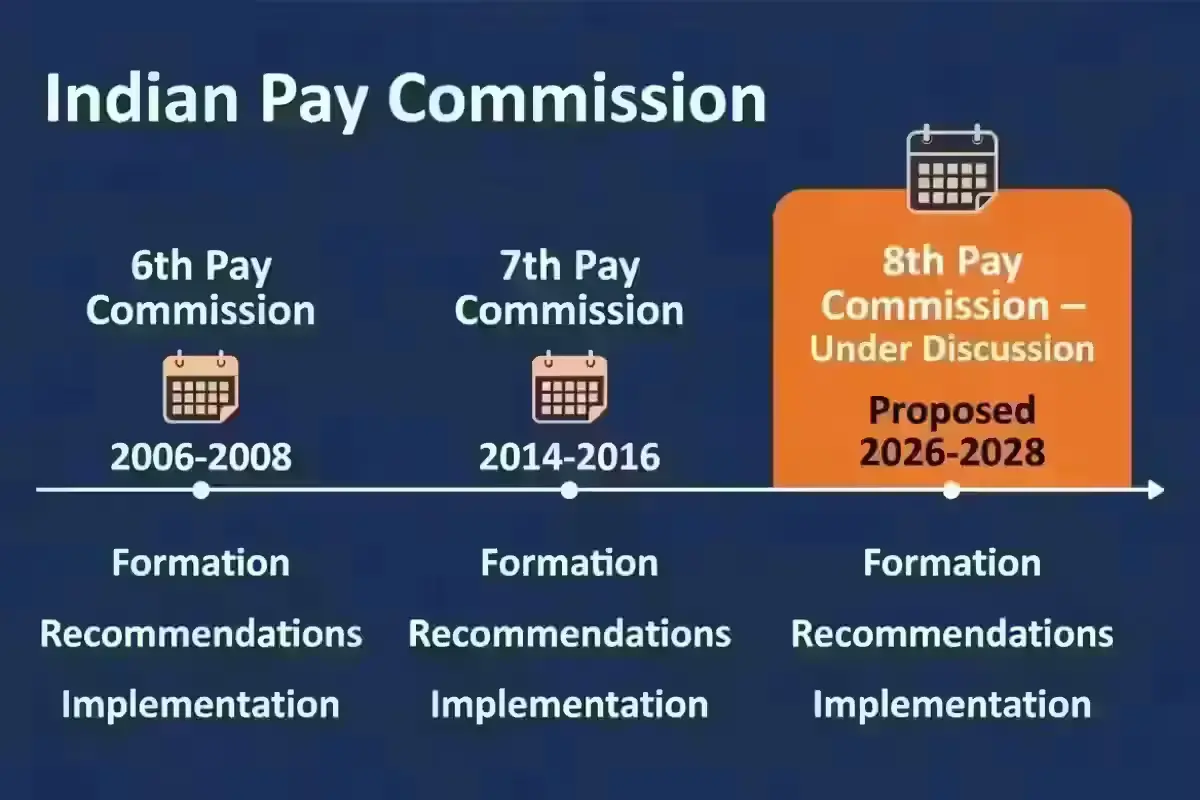
For millions of central government employees and pensioners, the transition from the 7th to the 8th Pay Commission is not just about a routine raise. It is a necessary adjustment against inflation. Current reports suggest that by January 2026, the Dearness Allowance (DA) is expected to touch or exceed 60%, which historically triggers the need for a new salary revision framework.
The Fitment Factor Debate
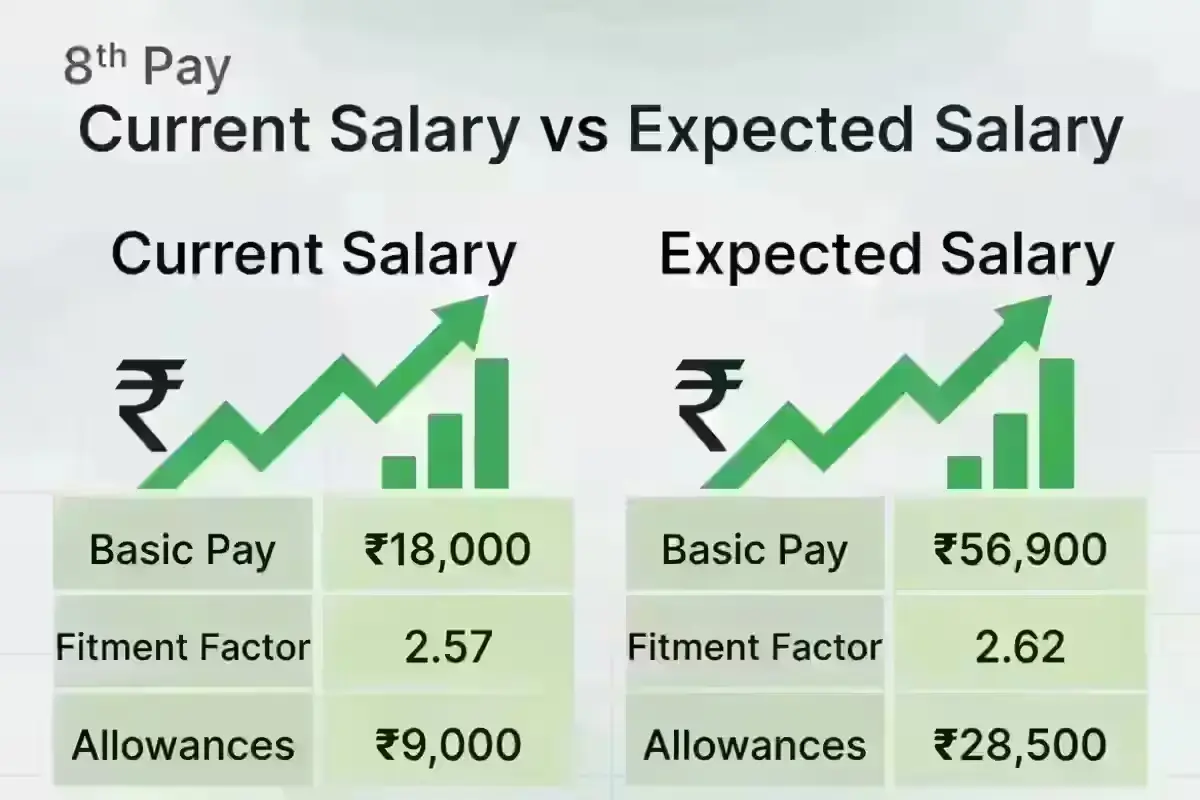
One of the most discussed technicalities is the “Fitment Factor.” In the 7th CPC, a factor of 2.57 was used to decide the basic pay. For the 8th CPC, there are conflicting projections. Some reports suggest a minimum fitment factor of 1.92, while others hope for a higher multiplier to offset the rising cost of living. Figures may shift once official updates arrive.
- Level 1 Expected Basic: If a fitment factor of 1.92 is applied, the minimum basic pay could rise significantly from the current 18,000.
- Inflation Impact: With DA expected to rise by another 2% in January 2026, the financial burden on the government will increase, making the commission’s task even more delicate.
- Financial Hit: Analysts suggest the government might face a 10% financial hit once these recommendations are implemented.
Why This Matters Now
Historically, pay commissions are constituted every ten years. The 7th CPC was implemented in 2016, making 2026 the logical year for the next phase. Unlike previous cycles, the post-pandemic economic landscape and current inflation rates have made employees more anxious about the “Fitment Factor” than ever before. For a Level 1 employee, this isn’t just a percentage; it’s the difference between managing a household and struggling with debt.
Analysts might read the recent DoPT appointments as a silent preparation phase. While the government has not made a formal “announcement” on the floor of the house regarding the exact date of the commission’s formation, the internal movement of senior officials suggests the wheels are turning behind the scenes.
What Should Employees Do?
Currently, there is no official portal to “calculate” your 8th CPC salary because the final multiplier has not been legalized. Employees should focus on their current DA arrears and ensure their service records are updated. Relying on speculative “salary calculators” might lead to unrealistic financial planning at this stage. It’s a waiting game, but the pieces are finally moving.
Written by: Pravin Kumar – Career & Sarkari Job Correspondent – News Hours18 – https://www.newshours18.com
FAQ
Q1: When will the 8th Pay Commission be implemented?
While there is no official date, it is widely expected to be effective from January 1, 2026, following the 10-year cycle tradition.
Q2: Who is Ashish Yadav and why is his appointment important?
Ashish Yadav has been appointed as Director in the DoPT. While it is a departmental shift, such appointments are crucial for the administrative handling of employee-related policies like the Pay Commission.
Disclaimer: The information provided is based on current news reports and administrative updates. Specific figures regarding salary hikes and fitment factors are projections and subject to change based on official government notifications.