
Martyrs’ Day 2026: A Nation Pauses for Its Eternal Heroes
On January 30, 2026, India marks a solemn anniversary. While the day is officially recognized as the death anniversary of Mahatma Gandhi, it serves as a broader tribute to every soul who perished for India’s freedom. Across the country, from the Supreme Court to small village schools, a two-minute silence at 11:00 AM will unite a billion voices in quiet gratitude.
For many, this day feels like a heavy reminder of the cost of liberty. Older citizens often recount the stories of the struggle, while the youth look at these figures as moral compasses in a fast-changing world. It’s more than just a government circular; it’s a shared heartbeat of the nation.
The Two Great Dates: January 30 and March 23
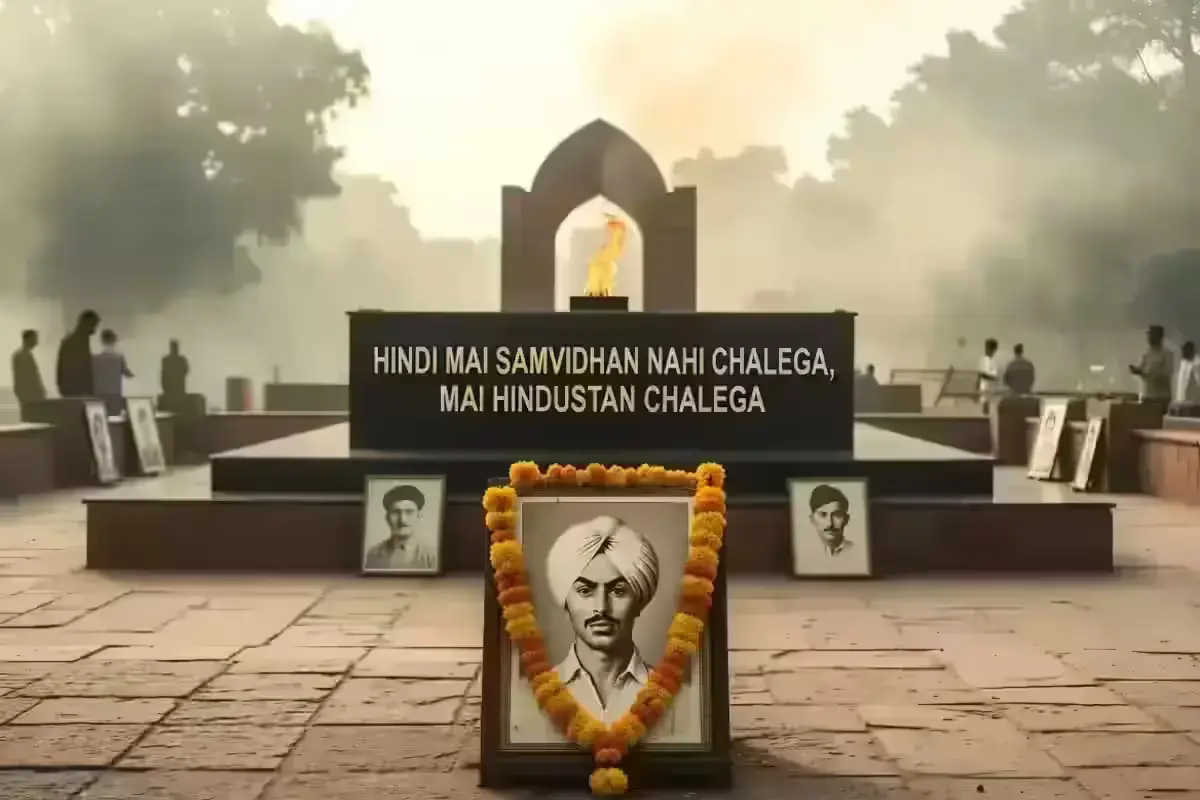
There is often confusion regarding when “Shaheed Diwas” is celebrated. India officially observes Martyrs’ Day on multiple dates, but two stand out as the most significant:
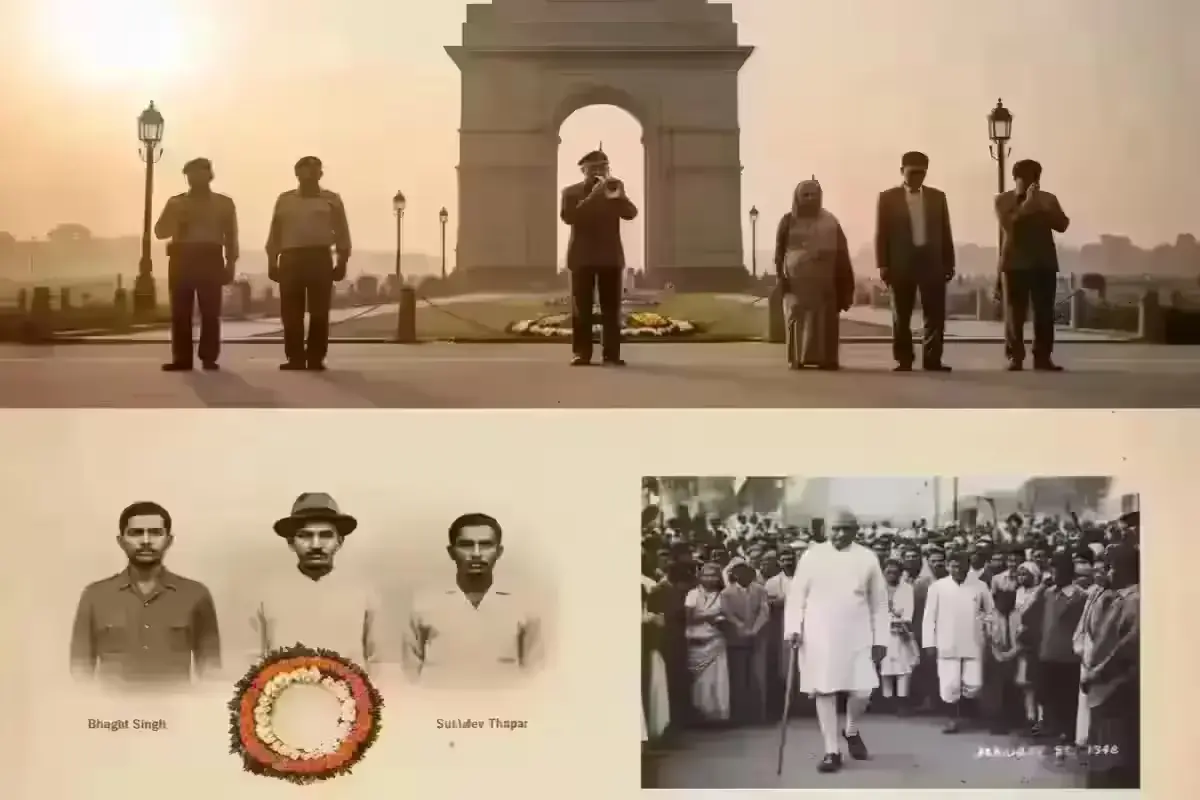
- January 30: This date marks the assassination of Mahatma Gandhi in 1948. It is the primary national observance where the President and PM pay homage at Raj Ghat.
- March 23: This day honors the sacrifice of Bhagat Singh, Shivaram Rajguru, and Sukhdev Thapar. These young revolutionaries were hanged by the British in 1931 in Lahore Jail. Their “revolutionary” path to freedom remains a massive inspiration for Indian youth.
Mahatma Gandhi: The Architect of Ahinsa
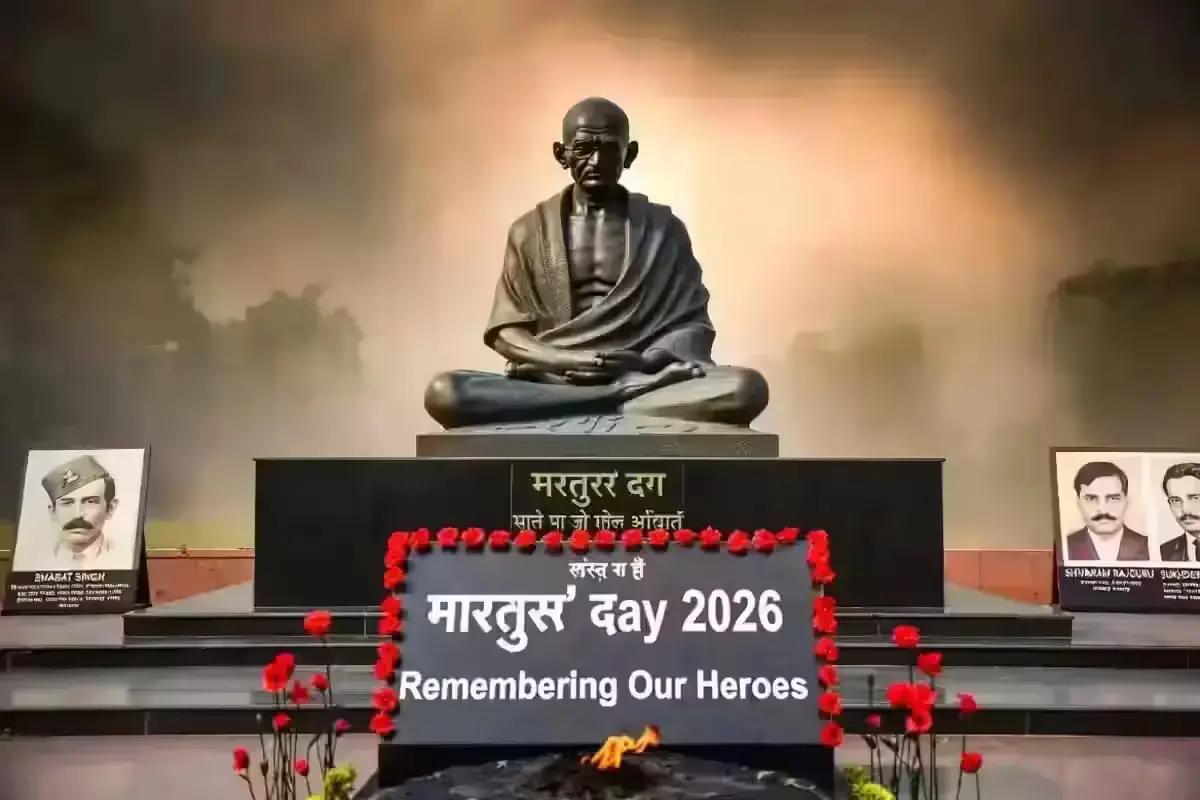
Gandhi’s contribution wasn’t just in leading marches; it was in changing the philosophy of resistance. His principles of Satyagraha (truth-force) and Ahinsa (non-violence) proved that a massive empire could be shaken without firing a shot. On January 30, 1948, as he was heading to a prayer meeting at Birla House, he was assassinated – leaving a void that the nation still honors today.
The 2026 Protocol: What to Expect
The Ministry of Home Affairs has issued clear guidelines for 2026. At 10:59 AM, sirens will sound in cities where they are available. At 11:00 AM sharp, all movement must stop. The Jammu and Kashmir Civil Secretariat, the Odisha Assembly, and the Supreme Court have all confirmed their participation. After the silence, an “all-clear” siren will sound at 11:02 AM.
Modern Value & Analysis
Perspective Breakdown: From a student’s perspective, these observances are shifting. While earlier generations relied on radio and assemblies, the 2026 observance sees a rise in “Digital Satyagraha”—using social media to spread the teachings of these martyrs. Analysts suggest that as India pushes toward its 100th year of independence (2047), these days are being rebranded from “days of mourning” to “days of national resolve.”
Actionable Step: If you are driving or walking at 11:00 AM on January 30, safely pause. It is a small act of solidarity. Figures regarding participation may shift once official regional updates arrive.
Honestly, it’s a bit surreal how a whole country just stops for two minutes—kind of shows we haven’t forgotten the roots.
Frequently Asked Questions
Who is honored on January 30?
Primarily Mahatma Gandhi, but the day officially honors all freedom fighters who died for the nation.
Are Bhagat Singh and Gandhi honored on the same day?
No. While both are celebrated as martyrs, Bhagat Singh, Rajguru, and Sukhdev are specifically honored on March 23, the anniversary of their martyrdom.
Why are there multiple Martyrs’ Days in India?
India honors different sets of revolutionaries on different dates, such as March 23 (Bhagat Singh) and November 17 (Lala Lajpat Rai), though January 30 is the primary national day recognized for Mahatma Gandhi.
Disclaimer: This content is for educational and news purposes. Observance times and protocols are based on current government notifications. Details regarding specific local events should be verified with regional authorities. Previous participation data is not available in current reporting.