
A Night Out in Canterbury. 13 Cases, 2 Deaths.
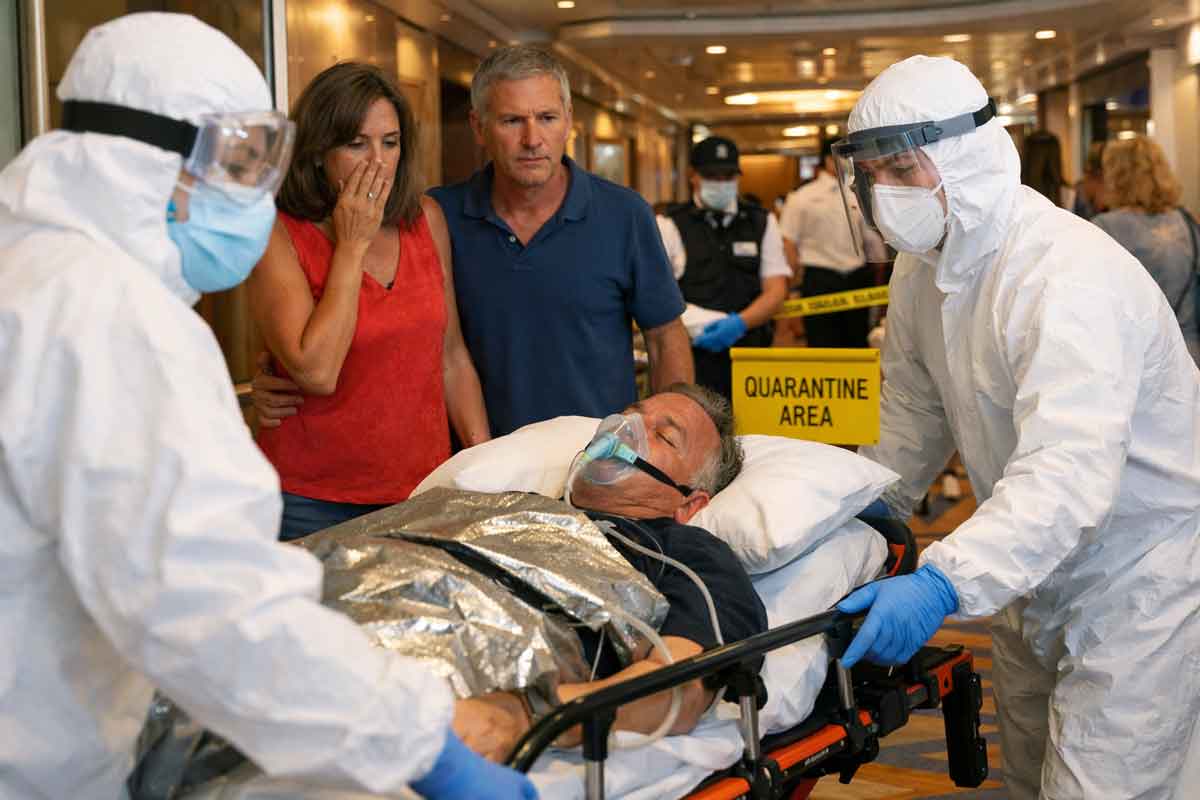
In less than 72 hours between 13 and 15 March 2026, thirteen people in Kent showed up at hospitals with signs of meningitis and septicaemia. Two of them did not survive. The UK Health Security Agency (UKHSA) has now confirmed this is a meningococcal disease (MenB) outbreak and the starting point, according to current evidence, was a nightclub called Club Chemistry in Canterbury on the nights of 5, 6 and 7 March. If you are a student, a parent of a university student, or an Indian currently living or studying in the UK, this is not just a news story, this is directly relevant to you right now.
Why Are University Students Getting Hit the Hardest?
This is not a coincidence. UKHSA has consistently flagged that young people heading to university for the first time are at elevated risk of meningococcal disease. The reason is biology mixed with lifestyle students mix with large groups of people from different parts of the country, many of whom may unknowingly carry the bacteria at the back of their nose and throat without any symptoms themselves.
Close contact is the key. MenB spreads through prolonged close contact living in the same household, kissing, sharing drinks, or sharing vapes. It is not like COVID-19 or measles. You cannot catch it from brief contact in a corridor or sitting next to someone on a bus. But a shared vape at a nightclub on three consecutive nights? That is exactly the kind of contact that allows this bacteria to travel fast within a tightly connected social group.
The Vaccine Gap That Nobody Warned Young Adults About
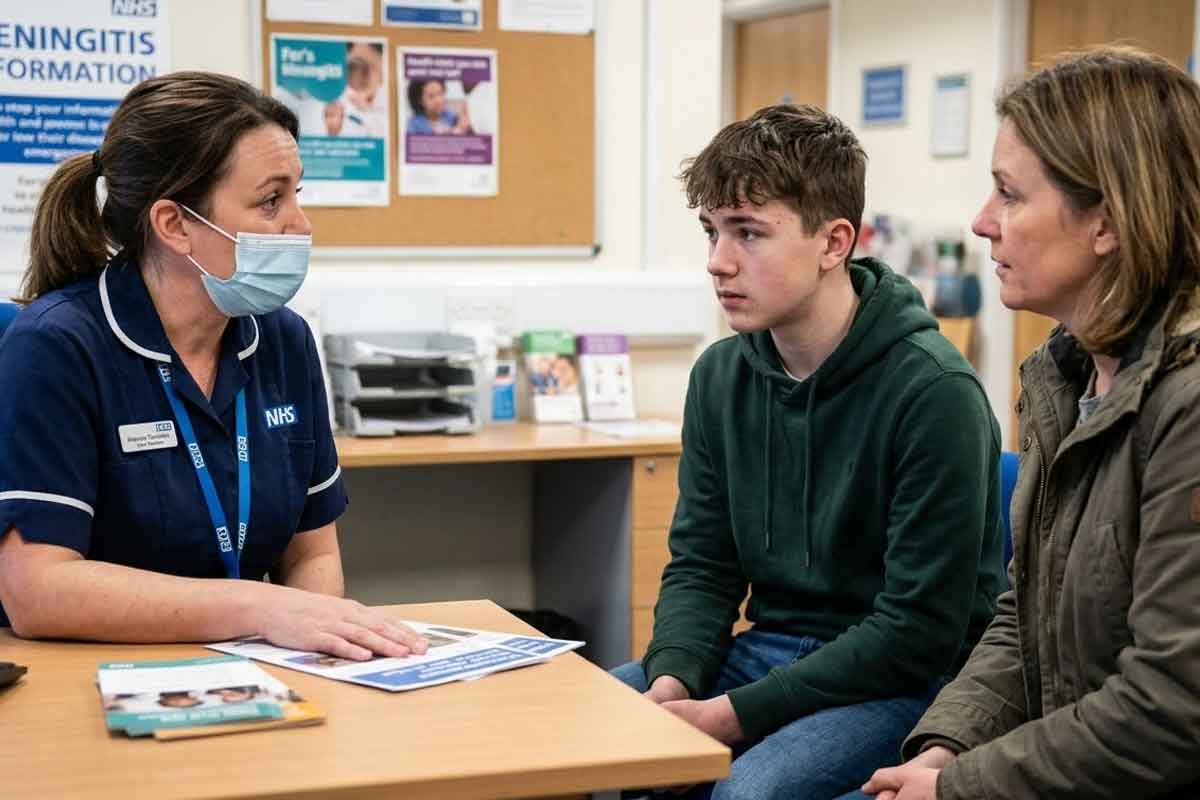
Here is the part most news articles are glossing over, and it matters enormously. The MenB vaccine was added to the NHS immunisation schedule in 2015 for infants only. That means any teenager or young adult born before 1 May 2015 has never received this vaccine through the standard NHS programme. They grew up with no MenB protection at all.
Most students at UK universities right now including thousands of Indian students studying there fall exactly into this unvaccinated age group. They were too old when the infant programme launched. No catch-up campaign was ever run for them. This is not a failure of individual awareness. It is a structural gap in UK vaccination policy that this outbreak has now exposed in the harshest possible way.
The MenACWY vaccine, which covers four other strains of meningococcal disease, is given to teenagers through schools. But it does not protect against MenB. These are two completely separate vaccines for different bacterial strains, and the confusion between them is one reason people feel falsely protected.
Myth: “I Got My Meningitis Vaccine in School, So I Am Safe”
This is the most dangerous misconception circulating right now. If you received the MenACWY vaccine in school which most UK teenagers did you are protected against MenA, MenC, MenW, and MenY strains. You are not protected against MenB, which is the exact strain causing the Kent outbreak. These are not the same vaccine. They do not cover the same bacteria. Thinking one covers both is like assuming a flu jab protects you from COVID-19 because both are respiratory infections.

What Happened, and When? Full Timeline
| Date | What Happened |
|---|---|
| 5–7 March 2026 | Students attend Club Chemistry nightclub in Canterbury, Kent |
| 13–15 March 2026 | 13 cases of meningitis and septicaemia notified to UKHSA in 72 hours; 2 deaths confirmed |
| 15 March 2026 | UKHSA issues public statement; University of Kent begins contact tracing |
| 16 March 2026 | Gov.uk publishes official case confirmation; antibiotics offered to close contacts and Club Chemistry attendees |
| 18 March 2026 | UKHSA confirms strain as MenB; targeted MenB vaccination programme announced for Kent campus hall residents |
| 19 March 2026 | Case numbers continue to rise; ECDC assesses EU/EEA risk as “very low”; outbreak remains active and under monitoring |
The Symptoms That Are Dangerously Easy to Dismiss
Trish Mannes, UKHSA Regional Deputy Director for the South East, made a point that deserves to be read carefully: “Students are particularly at risk of missing the early warning signs of meningitis because they can be easily confused with other illnesses such as a bad cold, flu or even a hangover.”
Think about that for a moment. A university student who wakes up with a headache, fever, and feels drowsy after a night out is most likely going to assume they are hungover. That is exactly the window in which meningococcal disease can accelerate from manageable to life-threatening. The disease moves fast. Hours matter not days.
Warning signs to watch for:
- Sudden high fever combined with severe headache
- Stiff neck — this is a classic meningitis sign many people do not know
- Extreme sensitivity to bright lights
- A rash that does not fade when you press a glass against it, this is the septicaemia rash and means emergency care is needed immediately
- Very cold hands and feet despite having a fever
- Unusual drowsiness or difficulty waking someone up
- Vomiting, confusion, or seizures
UKHSA’s advice is direct: if a friend goes to bed unwell, check on them regularly. Do not wait to see how they feel in the morning.
For Indian Students and Families – What This Means Practically?
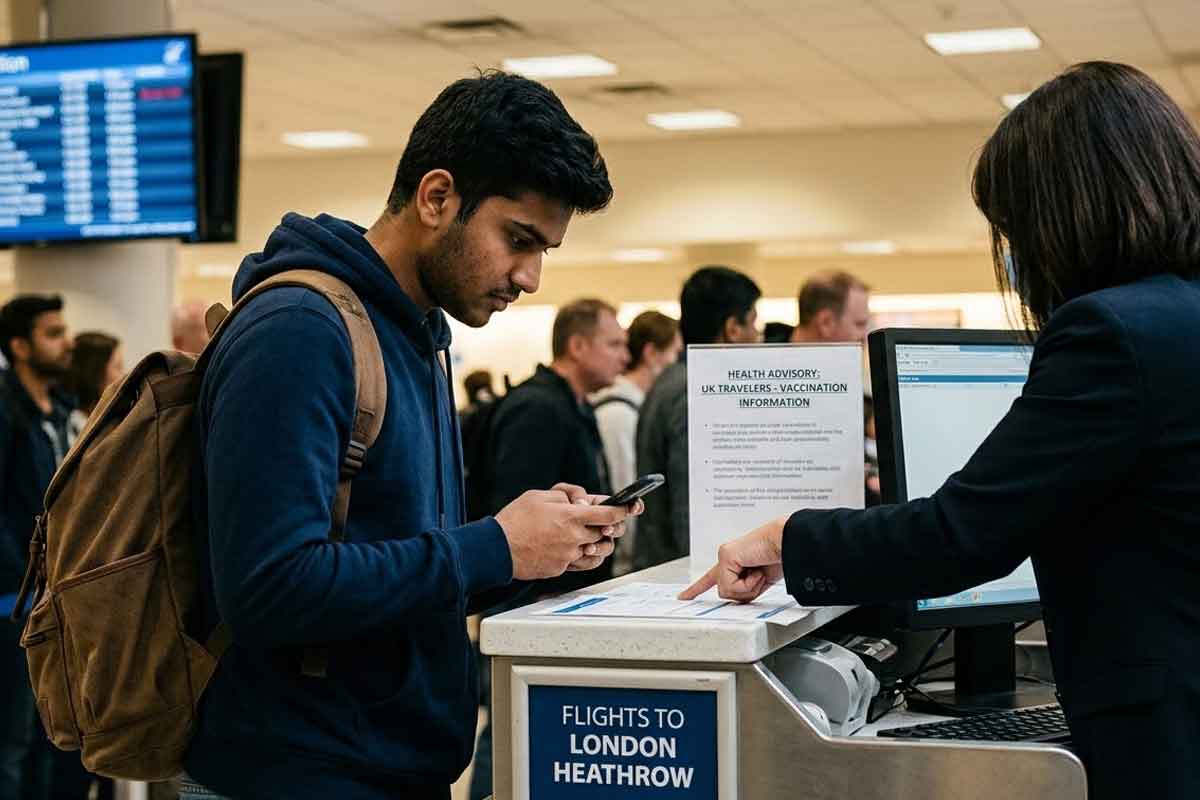
India sends over 1 lakh students to the UK every year, making it one of the largest international student populations in British universities. Many of these students are currently based in Kent, Canterbury, and surrounding areas. If you or your child is studying at the University of Kent or has any connection to the Canterbury student community, the following steps apply right now.
It is also worth knowing that meningococcal disease is not absent from India. The WHO notes meningococcal outbreaks have historically occurred across South Asia, with MenA being the more common strain in the Indian subcontinent. However, MenB the Kent outbreak strain is less commonly tracked in Indian public health surveillance, which means awareness of its specific symptoms is lower among Indian students and their families.
What Should You Actually Do Right Now?
If you attended Club Chemistry in Canterbury on 5, 6, or 7 March 2026 even if you feel completely fine contact your GP immediately and ask for preventative antibiotics. UKHSA has confirmed there are sufficient antibiotic stocks available. One course of antibiotics prevents transmission in 90% of cases. This is not a precaution you should delay.
If you are a close contact of anyone confirmed or suspected to have meningitis, the same applies contact your GP or visit one of the UKHSA antibiotic distribution sites in Canterbury and Kent. You do not need to wait for symptoms.
If you are anywhere in the UK and develop sudden fever, severe headache, stiff neck, or any combination of the symptoms listed above go to the nearest A&E immediately or call 999. Do not call NHS 111 first if symptoms are severe. Do not wait to see if you feel better by morning. Early treatment with antibiotics is the single most important factor in surviving meningococcal disease.
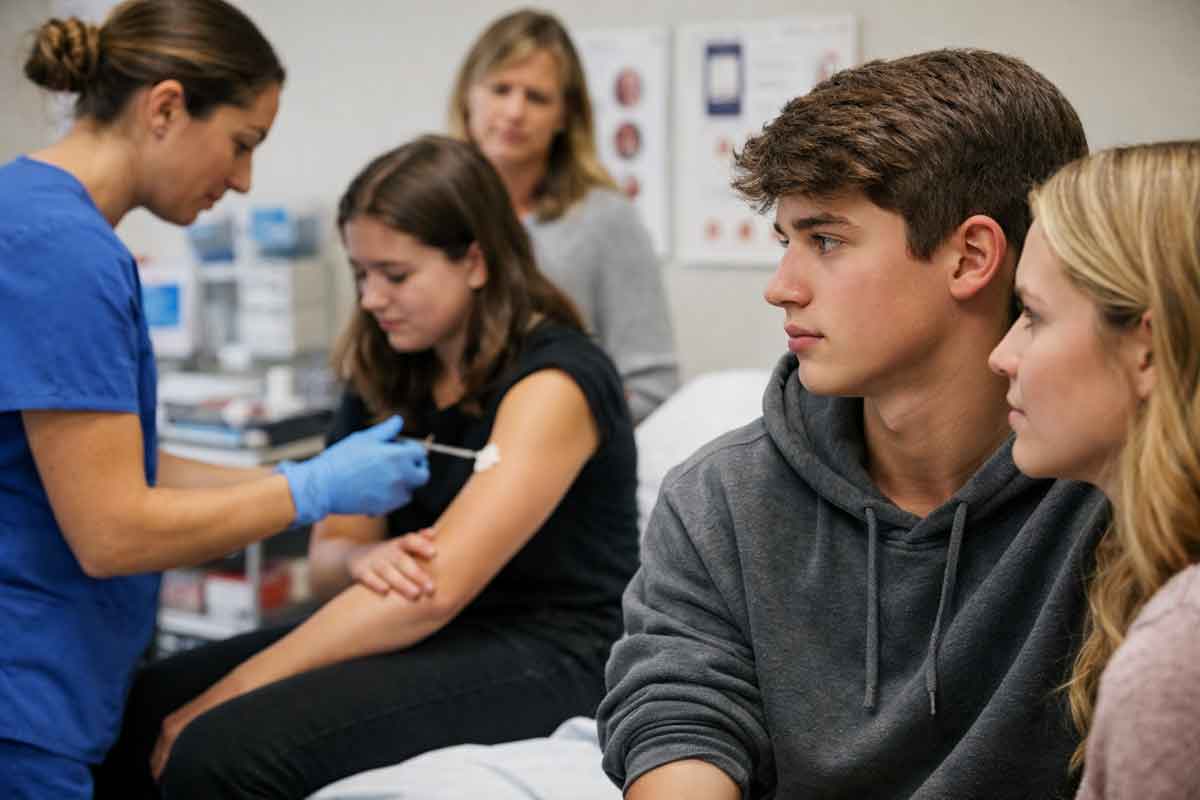
For those not currently in Kent but concerned about MenB in general if you were born before May 2015 and have never received a MenB vaccine, you can speak to your GP about private vaccination options. The vaccine is available privately in the UK.

Is This a Risk Outside the UK?
The European Centre for Disease Prevention and Control (ECDC) assessed the risk to EU and EEA countries as very low as of 19 March 2026. MenB does not spread through casual or airborne contact, which limits its geographic spread compared to respiratory viruses. The outbreak is currently contained within the University of Kent community and close contacts. However, UKHSA has confirmed it is actively contact tracing and expanding the vaccination programme as assessment continues.
FAQ
Q. Is the Kent meningitis outbreak dangerous for people outside the UK?
The European Centre for Disease Prevention and Control (ECDC) has assessed the risk to EU and EEA countries as very low as of March 19, 2026. MenB spreads only through close, prolonged contact not through air or casual interaction. Unless you were present at Club Chemistry in Canterbury on 5–7 March or are a close contact of a confirmed case, your personal risk is low. That said, the outbreak is still active, and UKHSA continues to monitor and expand its response.
Q. I had the meningitis vaccine in school, am I protected against this outbreak?
Almost certainly not from this specific outbreak. The vaccine given in UK schools is MenACWY, which covers four strains but not MenB, the strain causing the Kent outbreak. These are completely separate vaccines. If you were born before May 2015, you have likely never received a MenB vaccine through NHS. Anyone concerned should speak to their GP about their vaccination history and private MenB vaccination options.
Q. What is the single most important symptom that means you need emergency care immediately?
A rash that does not fade when you press a clear glass firmly against the skin. This is called a non-blanching rash and it indicates septicaemia blood poisoning caused by the meningococcal bacteria. If you or someone around you has this rash alongside fever and headache, call 999 or go to A&E immediately. Every minute counts with this symptom.
Disclaimer: This article is for informational purposes only and is based on official statements from the UK Health Security Agency (UKHSA), NHS, and the European Centre for Disease Prevention and Control (ECDC) as of 19 March 2026. This is a developing situation and case numbers may have changed. This article does not constitute medical advice. If you believe you may have been exposed to meningococcal disease or are experiencing symptoms, contact a qualified medical professional or emergency services immediately.
Written by: Anil Sinha – Health Information Writer – News Hours18