
Beyond the Mid-20s: New Reality of HPV Vaccination
For years, the medical “rule of thumb” was simple: get your HPV vaccine before you turn 26, or don’t bother. But as we move through 2026, that rigid boundary is fading. With cervical cancer remains a significant health burden in India, many adults are asking if they missed the bus. The short answer? The bus might still be at the stop, even if you’re 30, 35, or even 45.
The Human Papillomavirus (HPV) is so common that experts at the CDC and Mayo Clinic suggest nearly 80% of sexually active people will encounter it at some point. While most infections clear up on their own, the ones that stay can lead to life-altering cancers. If you’ve spent your 20s worrying you missed your chance for protection, it’s time to look at the updated science behind adult immunization.

Is 26 Really the Cut-off Point?
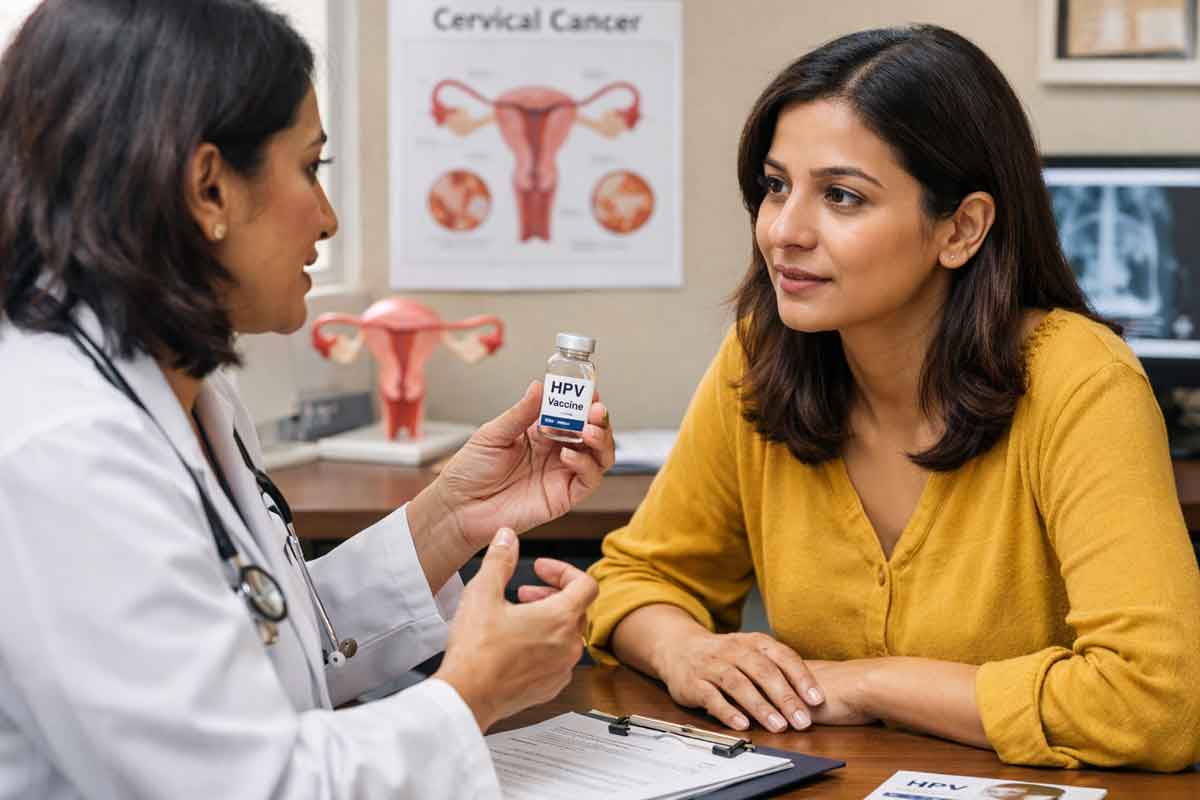
The reason the age 26 was originally highlighted isn’t because the vaccine stops working at midnight on your 27th birthday. Rather, it’s about “clinical benefit.” The vaccine is most effective when given before a person is exposed to the virus—typically before they become sexually active. However, the U.S. Food and Drug Administration (FDA) and various health bodies in India now recognize that adults up to age 45 can still gain significant protection.
If you are over 26, the decision to vaccinate becomes a conversation about your lifestyle. Are you in a long-term monogamous relationship, or are you re-entering the dating scene? For those with new or multiple partners, the risk of encountering a new strain of HPV remains real. Even if you’ve had one type of HPV, the vaccine (like Gardasil 9) can protect you against other high-risk strains you haven’t met yet.
Link Between HPV and Cancer
Most people associate HPV solely with cervical cancer, but the virus is a multi-threat offender. According to the American Cancer Society, persistent HPV infections are responsible for a variety of health issues in both females and males:
- Cervical, Vaginal, and Vulvar Cancers: The most common risks for women.
- Anal Cancer: Affects all genders.
- Oropharyngeal Cancer: Cancers of the back of the throat, including the base of the tongue and tonsils.
- Penile Cancer: A significant risk for men.
It’s a common misconception that HPV only affects “fertility.” While the virus itself doesn’t directly cause infertility, the treatments for precancerous cells on the cervix (like LEEP or biopsy) can sometimes weaken the cervix, potentially leading to complications during pregnancy. Preventing these cellular changes via vaccination is a proactive way to protect future reproductive health.
Identifying the Enemy: Symptoms and Warning Signs
One of the scariest things about HPV is its “silent” nature. You cannot “feel” the virus entering your system. There is no fever or immediate rash. In fact, most people live for years without knowing they have it. How many years can you live with HPV? A lifetime, usually, as the body often clears it, or it stays dormant.
However, when symptoms do appear, they usually manifest as:
| Type of Sign | Description | Risk Level |
|---|---|---|
| Genital Warts | Small bumps or clusters (cauliflower-like) in the genital area. | Low cancer risk, but high transmission. |
| Abnormal Pap Smear | Detected during routine screening; indicates cell changes. | Potential precursor to cancer. |
| Persistent Sore Throat | Unexplained hoarseness or pain when swallowing. | Possible sign of oral HPV-related issues. |
Can warts become cancerous? Generally, the strains that cause visible warts (like HPV 6 and 11) are not the same “high-risk” strains that cause cancer (like HPV 16 and 18). However, having warts is a clear sign that your immune system is dealing with an HPV infection, and you could be carrying high-risk strains simultaneously.
The India Context: Why This Matters Now?
In India, cervical cancer is the second most common cancer among women. Recent drives, mentioned in reports by The Indian Express and Swarajya, highlight the government’s push to include HPV vaccination in the national immunization program. While the focus is on young girls (ages 9–14), the availability of the vaccine in the private sector for adults is a game-changer.
For an adult in India, getting the vaccine isn’t just about personal safety; it’s about reducing the overall “viral load” in the community. Whether it’s an STI (Sexually Transmitted Infection) or an STD (Sexually Transmitted Disease)—terms often used interchangeably—the stigma needs to go. HPV is a skin-to-skin virus that almost everyone gets. It is a health inevitability, not a moral judgment.
Practical Steps for Adults
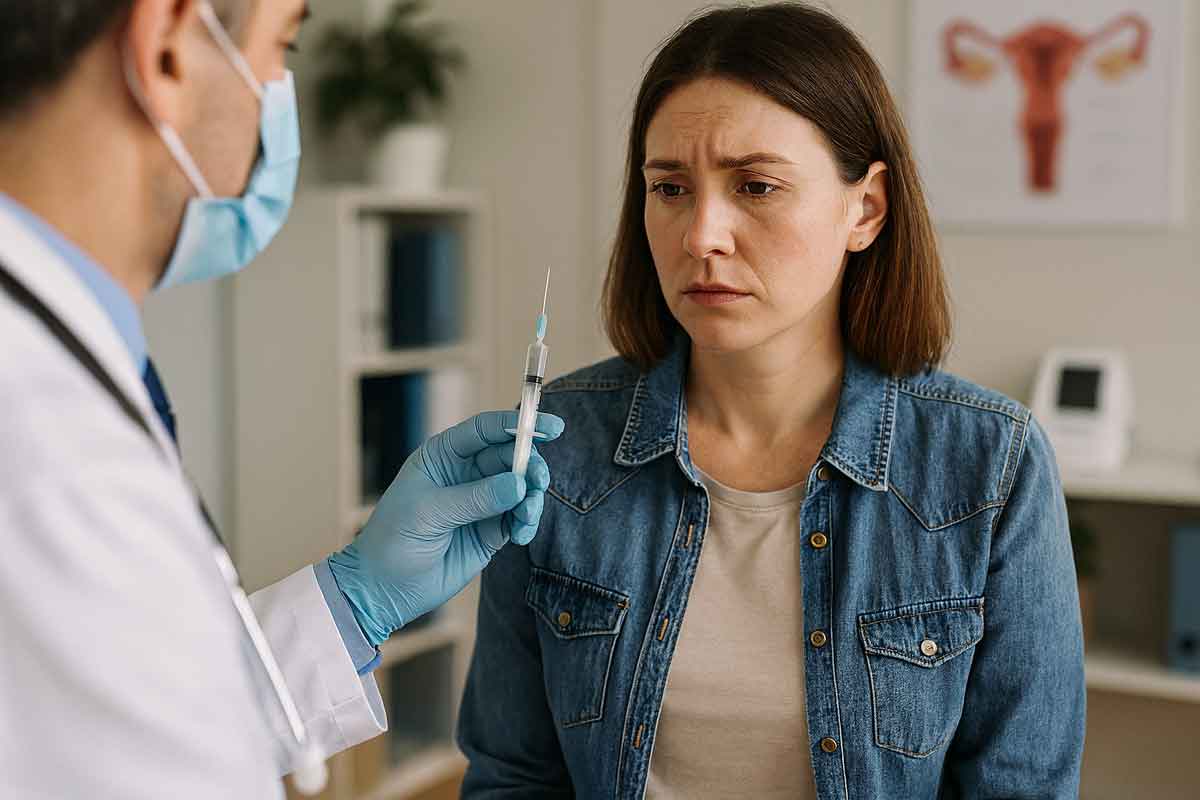
If you’re considering the shot after 26, keep these points in mind:
- The Dose Schedule: Unlike children who may only need two doses, adults typically require a three-dose series over six months.
- Cost vs. Benefit: The vaccine can be expensive in the private market. Weigh the cost against the long-term peace of mind and the high cost of cancer treatments.
- Screening is Still Key: The vaccine is a shield, not a cure. Even if vaccinated, women must continue regular Pap tests or HPV DNA testing as recommended by their gynecologist.
Will HPV ruin your life? Absolutely not. Most infections are cleared by the body’s immune system within two years. But the vaccine is your insurance policy against the “what ifs.” It’s about taking control of a variable that we finally have the scientific tools to manage.
FAQ
1. Is HPV an STI or an STD?
HPV is technically a Sexually Transmitted Infection (STI). It becomes an STD (Sexually Transmitted Disease) only if the infection leads to a health problem like warts or cancer. Many people have the infection without ever developing the disease.
2. Who is most at risk for persistent HPV?
People with weakened immune systems, smokers (who have a harder time clearing the virus), and those with multiple sexual partners are at a higher risk of the infection becoming a chronic issue that leads to cancer.
Disclaimer – The information provided in this article is for educational purposes only and does not constitute medical advice. Always consult with a qualified healthcare provider regarding vaccinations and cancer screenings.
Written by: Anil Sinha – Health Information Writer – News Hours18