

A Cruise Ship, a Killer Virus, and a Question Nobody Is Asking
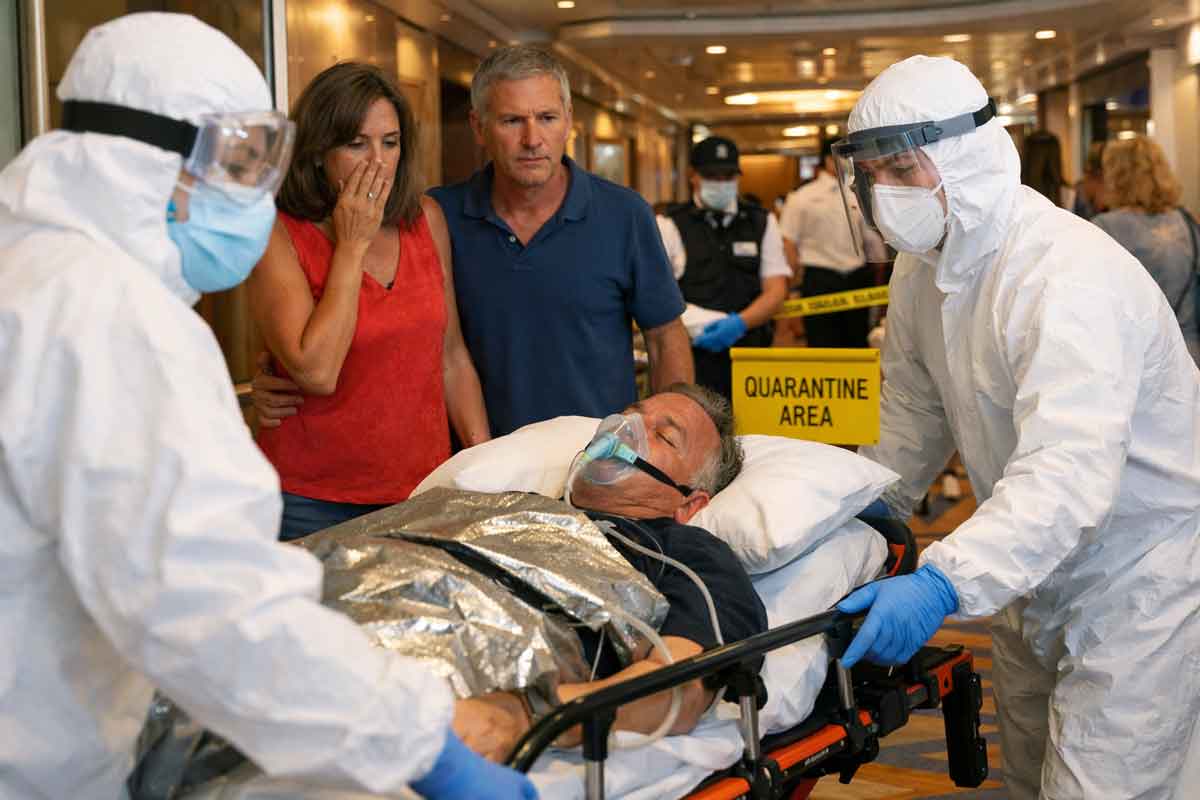
On 5 May 2026, the World Health Organization confirmed something that virologists had long feared but rarely seen: human-to-human transmission of hantavirus may have occurred on a cruise ship. Three people are dead. One British national is fighting for his life in a Johannesburg hospital. And 147 passengers and crew remain stranded aboard the MV Hondius, an expedition vessel now anchored off Cape Verde in the Atlantic refused entry to port, with no clear disembarkation plan, and no cure for the virus that may have spread inside it. For Indians planning international cruises or adventure travel to South America, this story is not a distant headline. It is a warning written in real time.
What Actually Happened on the MV Hondius?
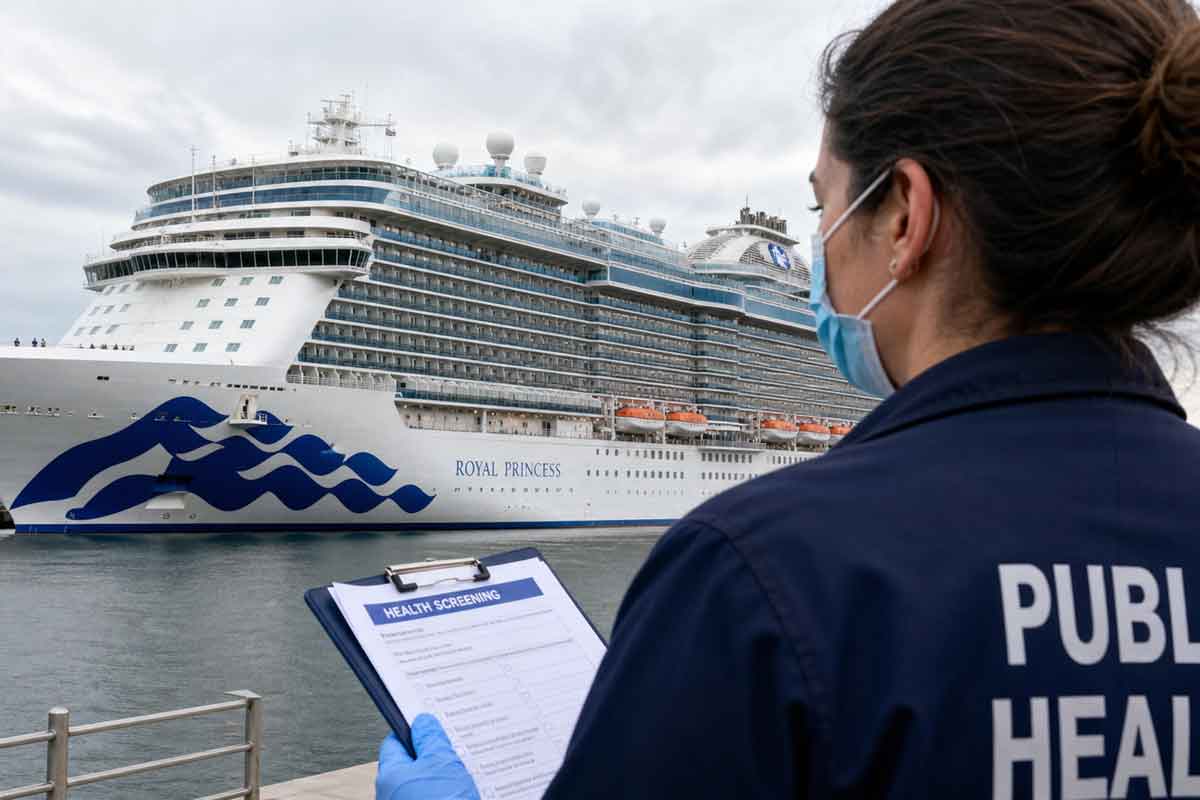
The MV Hondius, operated by Dutch company Oceanwide Expeditions, left Ushuaia in southern Argentina on 1 April 2026. The voyage was a premium expedition cruise the kind advertised with images of Antarctica, penguins, and remote Atlantic islands. Passengers visited places most people never reach in their lifetime: Tristan da Cunha, the Falkland Islands, Saint Helena, and Ascension Island.
Somewhere along that route, people started falling sick. According to the WHO, the first symptoms appeared as early as 6 April. By 28 April, a 22-day window had produced seven cases fever, gastrointestinal distress, rapid-onset pneumonia, acute respiratory distress syndrome, and shock. A 70-year-old Dutch man was the first to die, on the ship. His wife was evacuated to South Africa, collapsed at Johannesburg’s O.R. Tambo Airport, and died at a hospital there. A German woman also died. Her cause of death is being treated as a suspected hantavirus case. A British national tested positive he is the only confirmed case among those still alive and remains in intensive care in Johannesburg, though WHO said his condition is improving.
Timeline So Far
| Date | Event |
|---|---|
| 1 April 2026 | MV Hondius departs Ushuaia, Argentina |
| 6 April 2026 | First hantavirus symptoms appear on board |
| 27 April 2026 | British national evacuated from Ascension Island to South Africa |
| 28 April 2026 | Last reported symptom onset on board |
| 2 May 2026 | Cluster of severe respiratory illness reported to WHO |
| 3 May 2026 | Ship anchors off Praia, Cape Verde; refused port entry |
| 4 May 2026 | WHO reports 2 confirmed, 5 suspected hantavirus cases; 3 deaths |
| 5 May 2026 | WHO says human-to-human transmission cannot be ruled out; ship heads to Canary Islands |
Most Articles Are Getting Wrong
Here is a widespread misconception doing the rounds right now: “Hantavirus cannot spread from person to person, so this is not dangerous for other passengers.”
That is only half true, and the half that is wrong matters enormously. Almost all hantavirus strains cannot spread between humans. But one strain the Andes virus, which is native to Chile and Argentina, exactly where this ship originated is the only known hantavirus with documented human-to-human transmission. A 2023 peer-reviewed study from the Robert Koch Institute in Germany modelled this transmission in a laboratory setting and confirmed that the Andes virus can spread between close contacts efficiently.
Dr. Maria Van Kerkhove, WHO’s Director for Epidemic and Pandemic Preparedness and Prevention, addressed this directly on 5 May: “Human-to-human transmission can’t be ruled out some cases had very close contact with each other.” She noted that suspected transmission likely occurred between intimate contacts like the Dutch married couple, both of whom died. Professor Roger Hewson of the London School of Hygiene and Tropical Medicine added that the priority must be “careful clinical management, laboratory confirmation, and proportionate public health follow-up of close contacts.” This is not panic territory. But it is not dismissal territory either.
Why Argentina Was Already Ringing Alarm Bells?
This is the detail that should have changed the story before it began. Argentina the country where the MV Hondius boarded its passengers had been dealing with a serious Andes virus season since July 2025. By the end of 2025, Argentina had reported 86 confirmed hantavirus cases and 28 deaths in a single year, a case fatality rate of 33.6% nearly double the historical national average. The Pan American Health Organization (PAHO) issued an epidemiological alert in December 2025, specifically flagging increased lethality in Argentina and Brazil. Yet as of 1 April 2026, no biosafety advisory had been issued for cruise lines departing Ushuaia.
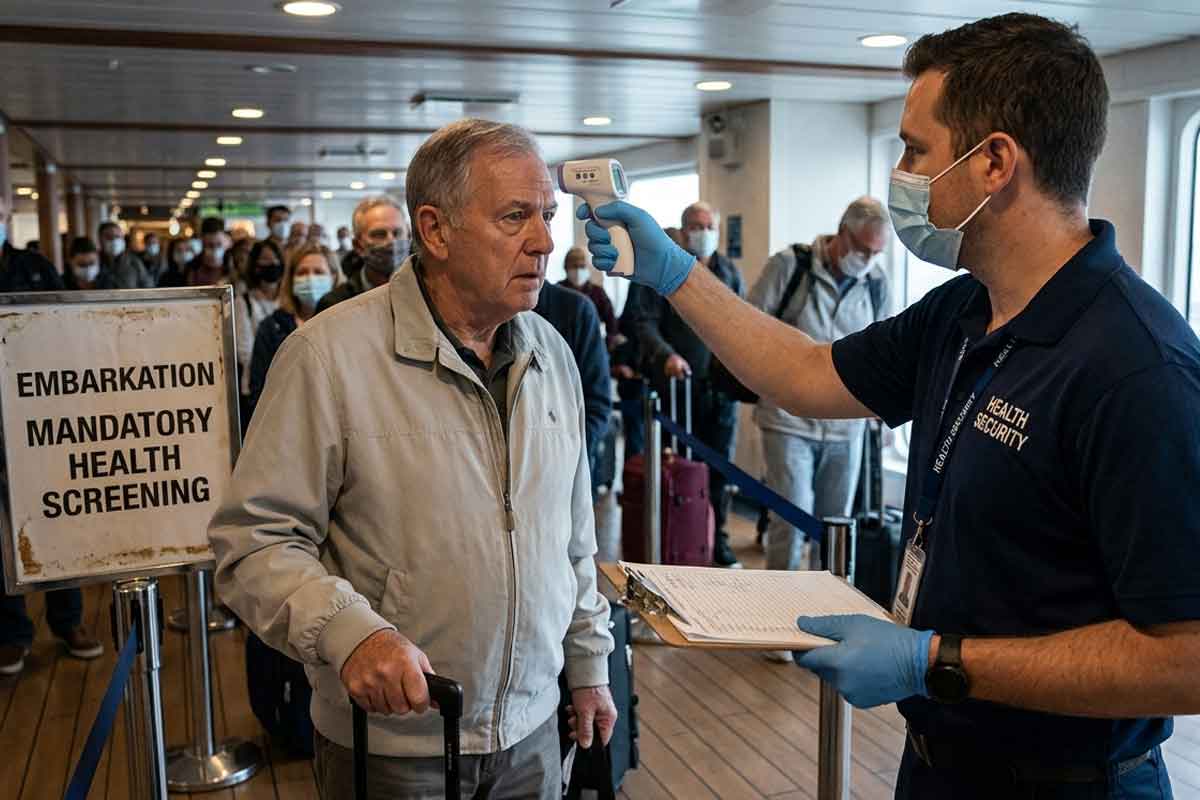
Argentina’s Tierra del Fuego province where Ushuaia sits has historically never recorded a hantavirus case. Provincial health officials confirmed this after the outbreak. But given that passengers could have been exposed on remote islands along the route, or even been incubating the virus before boarding, the absence of any pre-departure screening is a serious gap that authorities are now being forced to confront.
Vaccine Gap Nobody Wants to Talk About
Hantavirus has been known to science since the 1950s in Asia and since 1993 in the Americas. As of May 2026, there is no approved vaccine anywhere in the world for the strains causing hantavirus pulmonary syndrome the lung-attacking, fatality-prone form seen in the Americas. No cure exists either. Treatment is entirely supportive: oxygen, ventilation, careful monitoring. Survival depends almost entirely on how quickly a patient reaches advanced medical care after symptoms escalate which, on a ship thousands of miles from any major hospital, is nearly impossible.
For Indian travellers, the practical implication is straightforward: if you are booking an expedition cruise to Antarctica, Patagonia, or remote Atlantic islands, ask your travel operator three questions before you pay. Does the ship have a licensed physician on board? What is the medical evacuation protocol if someone develops acute respiratory distress? And has the crew been briefed on hantavirus rodent-exposure risk at shore excursion stops? These are not paranoid questions. They are the questions that the 147 people currently stranded on the MV Hondius probably wish someone had asked before April 1.
What Is Happening Right Now?
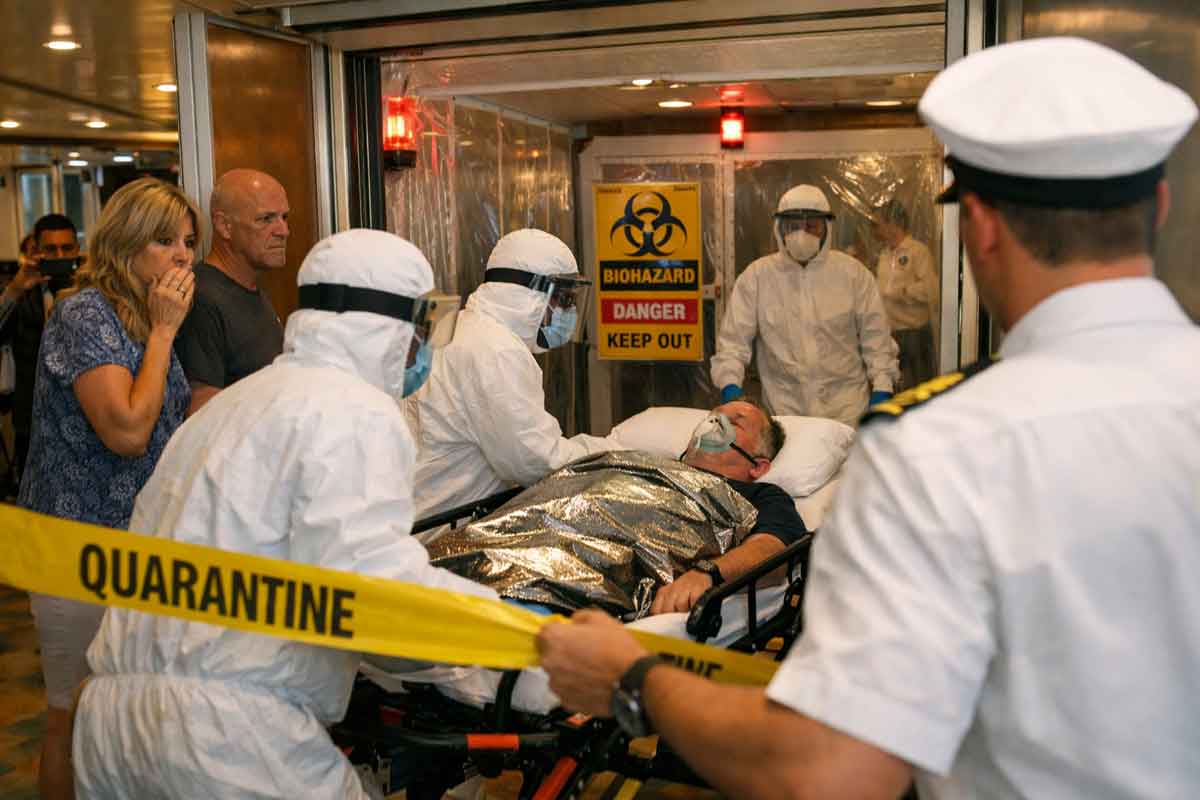
As of 5 May 2026, the MV Hondius is heading to the Canary Islands Spain has agreed to receive the ship for medical screening and controlled disembarkation. Two symptomatic crew members are being medically evacuated by specialized aircraft. WHO is conducting contact tracing for passengers on a Saint Helena–Johannesburg flight taken by the Dutch woman who later died. The British patient in Johannesburg is improving. Oceanwide Expeditions said the mood on board “remains calm.” The WHO has been emphatic: the risk to the general public is low, and this is not a pandemic-scale event. For now.
India has over 500 million social media users, and the MV Hondius story has been widely shared across X (formerly Twitter) and WhatsApp groups particularly among travellers who have taken or are planning similar expedition voyages. Indian travel agents who sell Antarctic and South Atlantic cruises have started receiving queries about safety protocols. That conversation, at minimum, is worth having.
Frequently Asked Questions
Q. Can hantavirus spread from person to person?
Almost all types of hantavirus cannot spread between humans. The one exception is the Andes virus, found in Chile and Argentina, which has been documented to spread between very close contacts like partners sharing a bedroom or caregivers in close proximity to an ill patient. WHO confirmed on 5 May 2026 that human-to-human transmission cannot be ruled out in the MV Hondius outbreak. This does not mean it spreads easily like flu or COVID-19 it means those in intimate contact with confirmed cases should be monitored.
Q. Is there a vaccine or treatment for hantavirus?
No. As of May 2026, there is no approved vaccine for hantavirus pulmonary syndrome the form affecting the lungs, which is most common in the Americas. There is also no specific antiviral cure. Treatment is supportive: oxygen, mechanical ventilation, and close monitoring in an ICU. Early admission to a hospital significantly improves survival chances. This is why the remote location of the MV Hondius made this outbreak so dangerous patients were far from the intensive care they needed.
Q. Should Indian travellers be worried about hantavirus?
India does not have hantavirus pulmonary syndrome in its domestic geography the strains present in Asia cause a kidney-related illness called haemorrhagic fever with renal syndrome, which is different and generally less lethal. The risk for Indians is specifically in travel particularly expedition cruises departing from Argentina, rural stays in Patagonia, or wildlife treks in southern Chile. If you have such travel planned, ask your operator about medical evacuation protocols and rodent-exposure precautions during shore excursions. There is no reason to panic, but there is every reason to ask the right questions before you board.
Disclaimer: This article is for informational purposes only and does not constitute medical advice. All health-related decisions should be made in consultation with a qualified medical professional. Information is based on publicly available reports from the WHO, LSHTM, Al Jazeera, CNN, and NPR as of 5 May 2026. The situation is developing and details may change.
Written by: Anil Sinha – News Hours18