

क्या आप भारत की धूप के बावजूद Vitamin D की कमी से पीड़ित हैं? 2026 के Blood Test से जानें सच
Published: 10 June 2026 | Author: Pravin Kumar | Category: Health
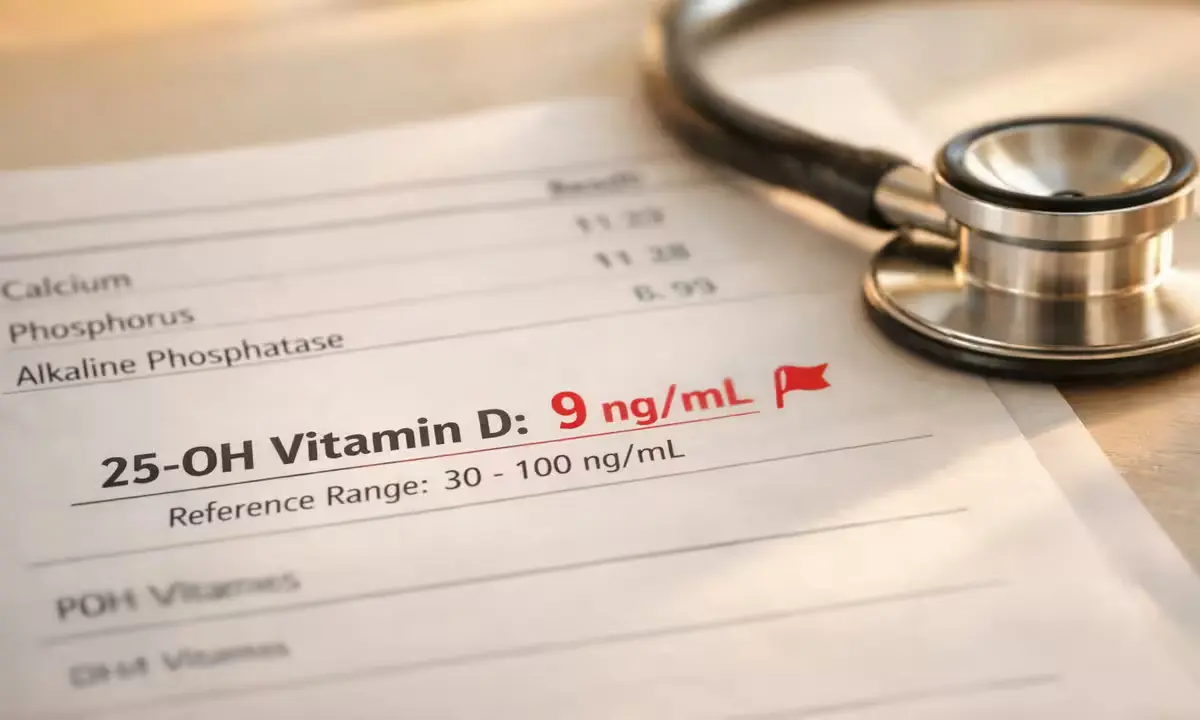
Ranchi, Jharkhand की एक pathology lab में May 2026 में एक 34 साल की IT professional का routine checkup हुआ। वो weekends में बाहर time बिताती हैं, balanced diet खाती हैं – और उनका Vitamin D आया सिर्फ 9 ng/mL। यानी severely deficient। उनका पहला reaction था: “लेकिन मैं India में रहती हूँ। यहाँ तो इतनी धूप है।”
वो अकेली नहीं हैं। सच यह है: India की धूप ज़्यादातर Indians को Vitamin D deficiency से नहीं बचाती। Metropolis Healthcare की nationwide study (2025) के मुताबिक 46.5% Indians में deficient levels मिलते हैं, और अतिरिक्त 26% में insufficient levels हैं। अगर आपने अभी तक 2026 में Vitamin D test नहीं करवाया – तो यह article आपको बताएगा कि क्या test करवाएं, आपका number क्या मतलब रखता है, और आगे क्या करें।
VITAMIN D VERDICT
- क्या test होता है: 25-hydroxyvitamin D (25-OH D) blood test – यही एकमात्र clinically accepted तरीका है आपकी Vitamin D status जानने का।
- 2026 में risk किसे है: जो लोग indoor काम करते हैं, full-sleeve कपड़े पहनते हैं, sunscreen use करते हैं, या lacto-vegetarian diet पर हैं – यानी ज़्यादातर urban Indians।
- Numbers की importance: 20 ng/mL से नीचे आने पर immediate supplementation ज़रूरी है। India के January 2025 endocrinology consensus के अनुसार optimal target 40 – 60 ng/mL है।
- Test की कीमत: ₹300 – ₹800, किसी भी certified lab में। Fasting required नहीं।
- अभी क्यों: ICRIER-ANVKA की January 2026 report ने इसे national health emergency घोषित किया – फिर भी ज़्यादातर Indians ने कभी test नहीं करवाया।
यह आपके लिए अभी क्यों important है? क्योंकि Vitamin D deficiency के ज़्यादातर symptoms तब तक दिखते नहीं जब तक bones, immunity और mood को नुकसान हो न जाए।
Vitamin D Test कैसे करवाएं – Step by Step गाइड: क्या Check होता है और Report कैसे पढ़ें?
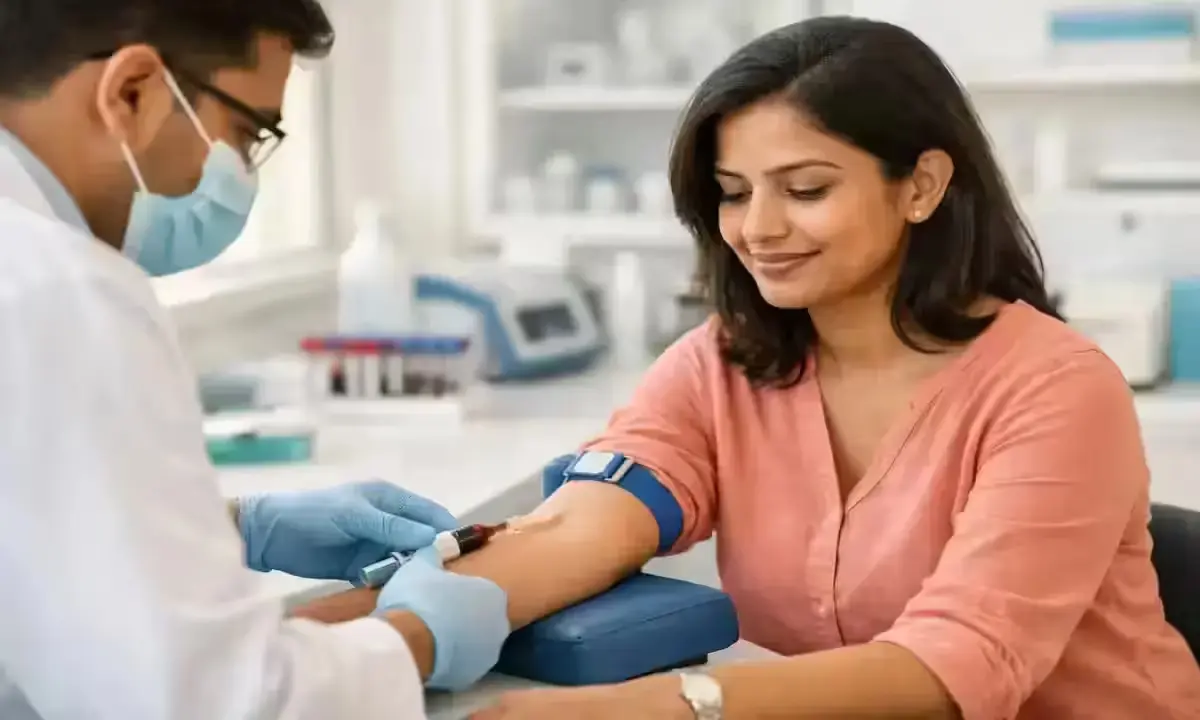
यह एक simple blood draw है — लेकिन report पढ़ना confusing हो सकता है। यहाँ 5 clear steps हैं:
- Test का सही नाम माँगें। Lab में सिर्फ “Vitamin D test” मत बोलें। Specifically माँगें: “25-hydroxyvitamin D test” या “25(OH)D serum test।” यह test आपके blood में circulating Vitamin D को measure करता है और deficiency diagnose करने का सबसे accurate तरीका है। कई labs सिर्फ Vitamin D2 या D3 separately test करती हैं – दोनों का combined 25(OH)D test माँगें।
- Fasting की ज़रूरत नहीं। यह एक common misconception है। Vitamin D screening के लिए भूखे रहने की ज़रूरत नहीं होती। दिन के किसी भी वक्त test करवा सकते हैं, हालाँकि कुछ labs सुबह का sample prefer करती हैं consistency के लिए।
- Report का “L” या red flag समझें। अगर आपकी report में value red text में है या “L” flag है – इसका मतलब सिर्फ यह है कि value 30 ng/mL की sufficiency threshold से नीचे है। यह almost हर Indian को मिलता है। घबराएं नहीं – यह report का normal structure है।
- अपना number इन ranges से compare करें:
Level Value (ng/mL) मतलब Severe Deficiency < 12 Immediate treatment ज़रूरी Deficiency 12–20 Supplementation required Insufficiency 20–30 Improvement needed Sufficient 30–40 Acceptable Optimal (India 2025) 40–60 Indians के लिए target Excess / Toxicity Risk > 100 Doctor से immediately मिलें Field Note: 41 endocrinologists ने January 2025 में DELPHI method से – 90% से ज़्यादा agreement के साथ – India के लिए optimal range 40–60 ng/mL set किया। ज़्यादातर lab reports अभी भी पुरानी global “30–100 ng/mL” range print करती हैं। आपके doctor की interpretation ज़्यादा मायने रखती है।
- Follow-up testing का schedule बनाएं। Most adults के लिए हर 6–12 महीने में एक बार Vitamin D test काफी है। अगर आप supplementation शुरू कर रहे हैं तो 3 महीने बाद retest ज़रूरी है ताकि dose adjust हो सके।
Common Mistake: कुछ लोग एक बार normal report देख के सोचते हैं “हमेशा के लिए ठीक हो गया।” Vitamin D levels seasonally change होती हैं – monsoon में sun exposure कम होने की वजह से July–September के बीच India में levels और नीचे गिरते हैं। Year में minimum एक बार test ज़रूर करें।
India में 2026 का Vitamin D Paradox: सबसे ज़्यादा धूप, फिर भी सबसे ज़्यादा कमी – असली वजह क्या है?
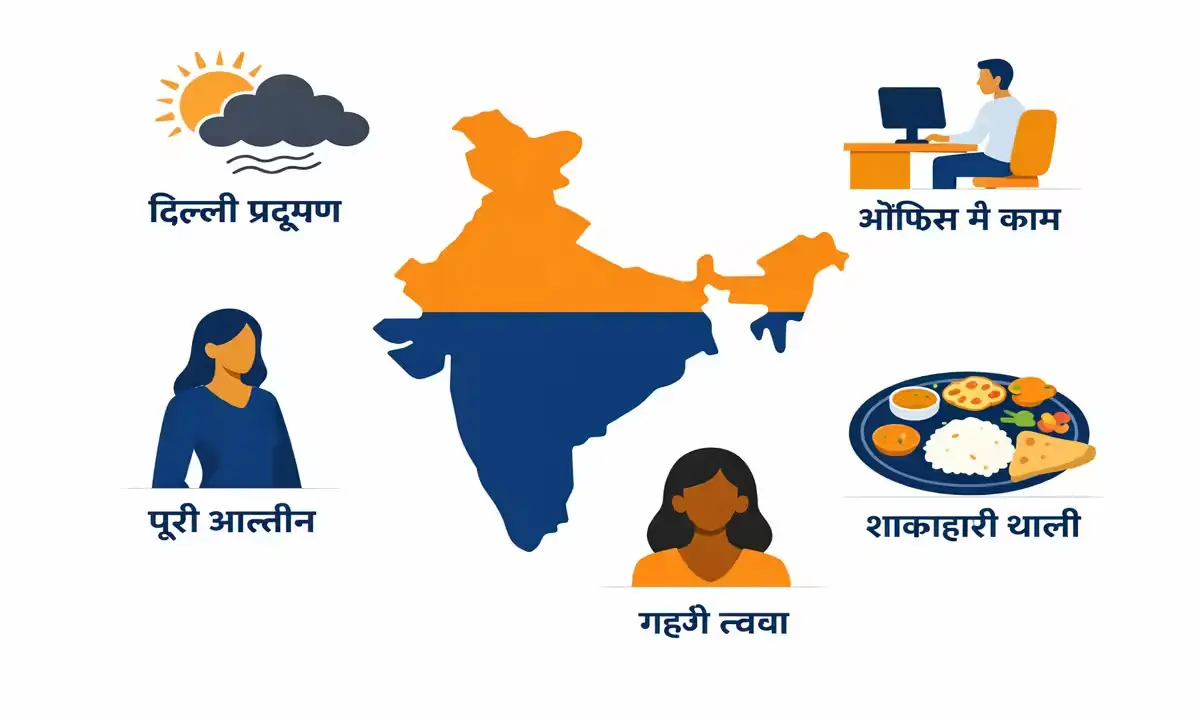
India में Vitamin D deficiency एक major public health challenge बन चुकी है – half the population affected है – बावजूद इसके कि देश में साल भर tropical climate और धूप रहती है। यह paradox सिर्फ geography का नहीं, biology का, culture का, और modern lifestyle का combination है।
असली वजह 1: Melanin Block करता है
Sunlight से Vitamin D तब बनता है जब UVB rays skin को hit करती हैं। लेकिन darker skin tones – जो India में common हैं – naturally ज़्यादा melanin produce करती हैं। ICRIER-ANVKA 2025 report ने confirm किया कि darker skin tones sun absorption को significantly reduce करती हैं। यह genetic protection था जब humans equatorial regions में थे – आज के sedentary lifestyle में यह deficiency का cause बन गया है।
असली वजह 2: Clothing और Cultural Practices
Body covering, dupatta, full-sleeve kurta – culturally common, especially Indian women में – sun exposure drastically reduce करता है। Delhi, Mumbai, Kolkata, और Ranchi जैसे cities में atmospheric particulate matter UVB rays को filter कर देता है। आप बाहर भी हों तो effective sunlight नहीं मिल रहा।
असली वजह 3: Indoor Jobs और Urban Lifestyle
IT sector, banking, education, government offices – सब AC rooms में। Modern urban lifestyles, increased indoor time और limited sun exposure एक crucial role play करते हैं। Nationwide Metropolis data में यह clearly documented है।
Effect: यह सिर्फ हड्डी का मसला नहीं
Vitamin D deficiency सिर्फ rickets या osteoporosis तक limited नहीं है। ICRIER-ANVKA की 2025 report में Vitamin D deficiency को cardiovascular diseases, type 2 diabetes, autoimmune diseases और certain cancers के साथ correlate किया गया है।
Expertise Note – एक ज़रूरी Scientific Debate: NCBI में published एक 2026 systematic review (78 studies, including VITAL और D-Health RCTs) ने argue किया है कि 25(OH)D levels 12 ng/mL से ऊपर होने पर normocalcemia maintain होती है – जिसका मतलब है कि global 20 ng/mL deficiency threshold India के लिए inflate किया हुआ हो सकता है। इस debate का मतलब यह नहीं कि test मत करवाएं – इसका मतलब है कि India-specific consensus (40–60 ng/mL optimal) follow करना ज़्यादा pragmatic है।
Conflicting Data: Global guidelines (WHO, US Endocrine Society) “deficient” = below 20 ng/mL define करती हैं। India का January 2025 consensus “optimal” = 40–60 ng/mL recommend करता है। एक 2026 NCBI systematic review argue करती है कि Indian thresholds को outcome-linked data से recalibrate करना चाहिए। इस article में India 2025 consensus use किया गया है क्योंकि यह सबसे recent India-specific, expert-agreed clinical recommendation है।
Reader के लिए bottom line: Jharkhand, Chhattisgarh, Odisha, या किसी भी Indian state में रहने वाले – अगर आपको लगता है कि outdoor lifestyle आपको protect करती है – South India, जो सबसे ज़्यादा sun exposure पाता है, actually has the highest deficiency rate at 51.6%। Geography protect नहीं करती। आपका Vitamin D assessment number ही बताता है।
June 2026: India में Vitamin D Testing के लिए यही सही Time है – अभी क्यों?
आज 10 June 2026 है – और यह timing एक non-negotiable reason के लिए important है।
Monsoon आ रहा है। June के end तक India के large parts में overcast sky और rainy weather sun exposure near-zero कर देता है। July–September के 3 महीने में – जो India का longest indoor season है – Vitamin D synthesis practically रुक जाती है। Metropolis nationwide data (2025) में यह clearly documented है कि seasonal variation Indian Vitamin D levels को significantly affect करता है।
अभी test करवाने के 3 फायदे:
- आपके pre-monsoon baseline levels capture होंगे
- अगर deficient हैं तो doctor supplementation monsoon से पहले शुरू कर सकता है
- October में retest से treatment effectiveness confirm होगी
Act Now: अपना Vitamin D screening 15 June 2026 से पहले schedule करें – local pathology lab या nearest government health centre में। Fasting required नहीं।
Geo-Relevance – Jharkhand और East India
Ranchi, Jamshedpur, Dhanbad, और Chhattisgarh के urban areas में indoor industrial और office jobs dominant हैं। Jharkhand में air quality और monsoon cloud cover का combination June से September तक natural Vitamin D synthesis को severely limit करता है। एक Vitamin D deficiency diagnosis अभी करवाना = 6 महीने का head start।
Official confirmation और test centres के लिए: National Health Portal India – nhp.gov.in
Vitamin D Test के बारे में सबसे ज़्यादा पूछे जाने वाले सवाल
Vitamin D test mein normal level kya hota hai India mein?
India में 41 endocrinologists के January 2025 consensus के अनुसार, 40–60 ng/mL का 25(OH)D level optimal माना गया है, और 20 ng/mL से नीचे का level deficiency treat करने के लिए strong indication है। यह global “30–100 ng/mL” range से अलग है — जो most labs आज भी print करती हैं। दोनों में confusion होती है। Practically: 30 ng/mL से नीचे मतलब improvement needed; 20 ng/mL से नीचे मतलब immediate action। कोई भी result अपने doctor से discuss करें क्योंकि age, pregnancy, और co-morbidities से optimal target बदलता है।
Pro Tip: अपनी report में “25(OH)D” value ढूंढें – सिर्फ “Vitamin D3” या “D2” value नहीं। Combined 25-hydroxyvitamin D ही clinically meaningful number है।
Vitamin D ki kami ke kya symptoms hote hain?
Vitamin D deficiency के 5 most common symptoms हैं: थकान (fatigue जो rest से नहीं जाती), हड्डी या पीठ में दर्द, muscles में कमज़ोरी, बार-बार बीमार पड़ना (immunity कम होना), और mood changes या depression। India में Metropolis study के अनुसार, 46.5% लोगों में deficient levels मिलते हैं – और इनका एक बड़ा हिस्सा asymptomatic होता है जब तक damage significant न हो जाए। इसलिए symptoms का wait मत करें — proactive Vitamin D assessment ही safe route है।
Critical Warning: Fatigue और bone pain कई दूसरी conditions के symptoms भी हैं। सिर्फ Vitamin D test काफी नहीं – CBC, B12 और thyroid भी एक साथ test करवाना consider करें।
Vitamin D test kab karwana chahiye aur kitna kharch aata hai?
अगर आपको थकान, bone pain, या frequent infections हो रहे हैं — तो test करवाएं। Most adults के लिए हर 6–12 महीने में monitoring sufficient है। India में 25(OH)D blood test की cost typically ₹300 से ₹800 के बीच है — government hospitals में और भी कम हो सकती है। Fasting required नहीं होती। Sample एक simple arm vein से लिया जाता है। अगर आप pregnant हैं, 60+ हैं, या malabsorption condition (जैसे celiac) है — तो doctor ज़्यादा frequent testing recommend कर सकता है।
Pro Tip: Test करवाते वक्त specifically LC-MS/MS method माँगें अगर available हो – यह immunoassay से ज़्यादा accurate होता है, खासकर borderline results (28–35 ng/mL range) में। Cost थोड़ी ज़्यादा हो सकती है लेकिन interpretation better होगी।
Execution Checklist – Vitamin D Test 2026
| Action | Detail |
|---|---|
| Test का नाम | 25-hydroxyvitamin D (25-OH D) – serum blood test |
| Optimal Range (India 2025) | 40 – 60 ng/mL – Indian Endocrinology Consensus, January 2025 |
| Deficiency Cut-off | 20 ng/mL से नीचे – treatment required |
| Test Cost India | ₹300 – ₹800 (fasting required नहीं) |
| Test का सही Time | Monsoon से पहले अभी – June 2026 | October में retest |
| Frequency | हर 6 – 12 महीने, supplementation पर हों तो हर 3 महीने |
| Official Portal | nhp.gov.in |
| Top Risk Factors | Indoor job, darker skin, sunscreen use, vegetarian diet, pollution |
| ⚠️ Critical Warning | South India में highest deficiency (51.6%) despite maximum sunlight – geography से safe नहीं हैं |
| Supplementation | केवल doctor की सलाह पर – unsupervised megadoses NOT recommended |
| और पढ़ें | Vitamin D deficiency diagnosis – complete guide |
| Test न करवाने की कीमत | Test सस्ता है – ignore करने की कीमत bones, immunity, aur heart health se chukani padti hai |

Health – newshours18
Pravin Kumar, newshours18 के लिए health और wellness cover करते हैं — evidence-based reporting के साथ जो Indian readers के लिए practically useful हो। वो clinical research, public health data, और medical guidance को आम भाषा में पेश करते हैं।