


PM Suraksha Bima Yojana: Security for the Common Man at Rs 20
In a world where insurance premiums often burn a hole in the pocket, the Pradhan Mantri Suraksha Bima Yojana (PMSBY) stands out as a rare exception. For just Rs 20 a year—less than the price of a cup of tea in many cities—the government provides an accidental death and disability cover of up to Rs 2 lakh. As we move into 2026, the scheme remains a cornerstone of India’s social security net, especially for those in the unorganized sector who often lack any form of financial cushion.
For many families, especially those living paycheck to paycheck, a sudden accident can lead to total financial collapse. I’ve seen how a small auto-debit of twenty rupees provides a sense of “chaian” or peace of mind to laborers and small-scale workers, knowing their families won’t be left entirely stranded. It is arguably the most affordable “suraksha” one can buy today.
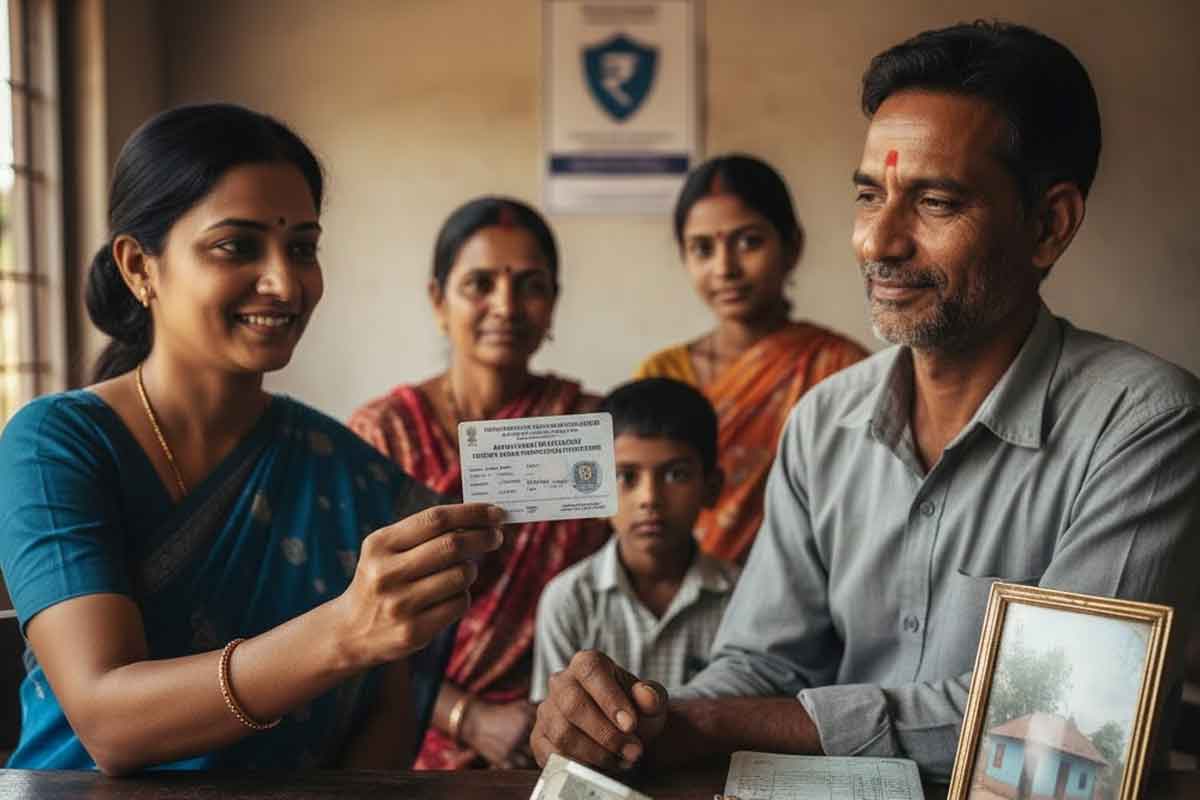
Coverage and Benefit Structure
- Accidental Death: Rs 2 Lakh payout to the nominee.
- Total Disability: Rs 2 Lakh for total and irrecoverable loss of both eyes or loss of use of both hands or feet.
- Partial Disability: Rs 1 Lakh for total and irrecoverable loss of sight of one eye or loss of use of one hand or foot.
- Premium: Rs 20 per annum, automatically debited from the linked bank account.
Analysts might read the steady premium—which was famously hiked from Rs 12 to Rs 20 recently to improve sustainability—as a sign that the government is committed to the long-term viability of the scheme. Historically, such low-cost insurance models have struggled with claim-to-premium ratios, but PMSBY has managed to cross its 10-year anniversary with massive enrollment numbers. Figures may shift once official updates arrive during the upcoming financial reviews.

Eligibility and Enrollment in 2026
The rules for 2026 remain straightforward. Any individual between the age of 18 and 70 with a savings bank account is eligible. The enrollment is linked to your Aadhaar, and the primary requirement is providing a “consent to auto-debit” to your bank. Most major public and private sector banks offer this through their mobile apps or internet banking portals.
Contextual Insight: Back in 2015, the digital infrastructure wasn’t as robust. Today, in 2026, the integration with UPI-linked bank accounts has made renewals seamless. If you are an account holder, you should check your passbook for a “PMSBY” entry; if it’s not there, you are missing out on a safety net that costs virtually nothing.
Actionable step: Simply send an SMS or log into your bank’s app to enable the “PM Insurance” section today.
From a buyer’s perspective, this isn’t an investment—it’s a pure risk protection tool. While the payout might seem modest to some, for a family earning Rs 15,000 a month, a Rs 2 lakh lump sum can be the difference between debt-ridden poverty and a fighting chance at a future. We expect that as digital literacy grows, the claim settlement process will become even more automated through the Jan Suraksha portal.
Frequently Asked Questions
Q. What is the last date for renewal?
The cover period is from June 1st to May 31st. The premium is usually debited in the month of May every year. Ensure your bank account has a balance of at least Rs 20 during this time.
Q. Can I have multiple PMSBY policies with different banks?
No. Even if you have multiple bank accounts, you can only join the scheme through one account. In case of multiple enrollments, the claim will only be paid by one bank, and other premiums will be forfeited.
Disclaimer: This article provides general information about PMSBY. Terms and conditions are governed by the Government of India and the respective insurance companies. Please read the policy document carefully before enrolling.
Written by: Anil Sinha – Government Welfare Schemes Correspondent – News Hours18 – https://www.newshours18.com