
Google’s Strategic Pivot: New Voluntary Exit Program Explained
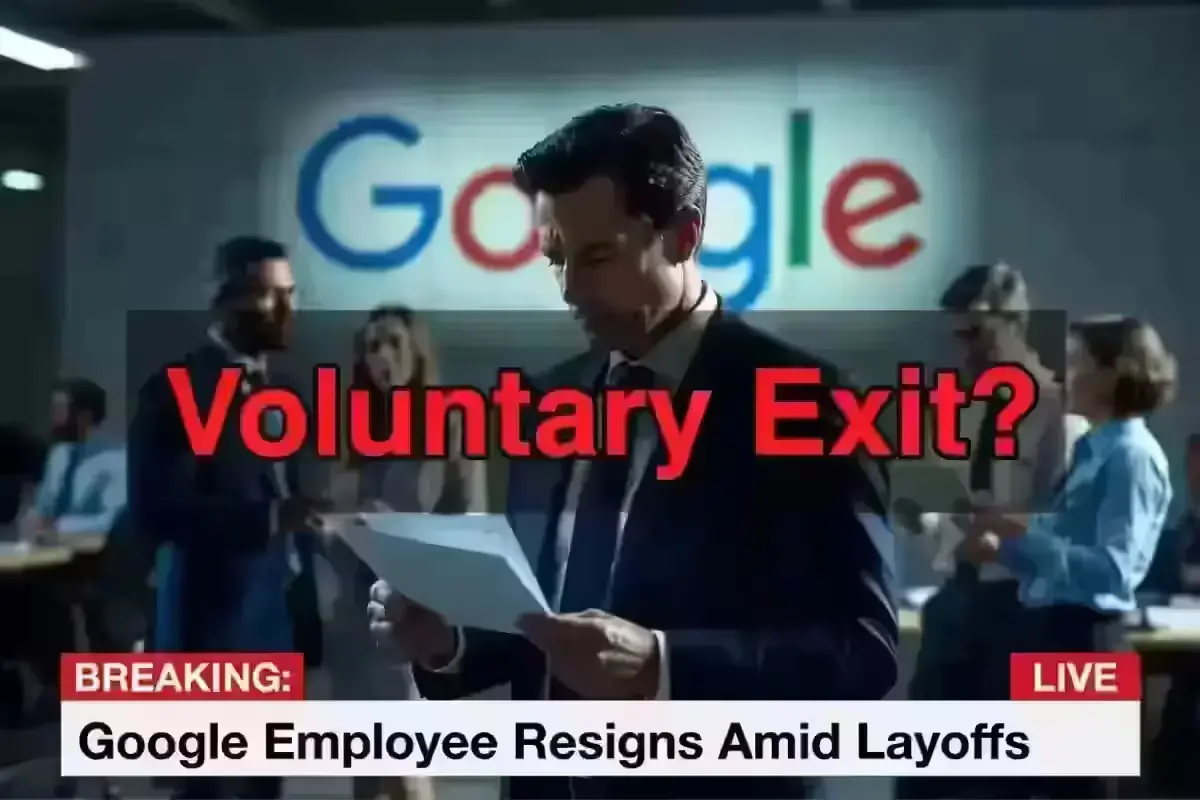
Google has recently introduced a voluntary exit program, signaling a significant shift in its corporate culture and operational focus. Rather than traditional layoffs, the tech giant is offering employees a choice: fully commit to the company’s aggressive AI-driven future or take a severance package and move on. This move comes as the company faces increasing pressure to remain agile in the rapidly evolving artificial intelligence landscape.
The Core Message: “All In” or Out
According to internal communications and recent reports, the company is targeting employees who may not be enjoying the current pace of work or are not fully aligned with the new strategic direction. The sentiment from leadership appears to be that the current era of tech requires a “Day 1” mentality. For many long-term employees, this shift from a stable, perk-heavy environment to a high-pressure AI “war footing” can be jarring.
- Eligibility: While specific department lists are still emerging, the offer is generally aimed at those who feel they are no longer the right fit for Google’s current speed.
- The Package: Voluntary exit packages typically include severance pay and extended benefits, though specific month-counts for this 2026 rollout remain “data unavailable” in current public reporting.
- Reasoning: Management wants a workforce that is enthusiastic about the AI expansion plans rather than one that is simply “coasting.”

A Shift in the Tech Labor Market
Historically, Google was known for its “psychological safety” and long-term retention. However, this voluntary exit program suggests a more ruthless efficiency. Analysts might read this as a preventative measure – by encouraging disengaged staff to leave voluntarily, Google avoids the morale-crushing headlines of forced mass layoffs while simultaneously pruning its payroll for higher-margin AI talent.
For the average employee, this creates a moment of deep reflection. It’s a bit of a duvidha (dilemma)—do you stay and adapt to a high-stress AI race, or take the money and find a role with a better work-life balance? Figures may shift once official updates arrive regarding the total number of employees who opt-in.
Contextual Analysis & Future Outlook
Why now? In 2023 and 2024, the tech industry saw “efficiency” layoffs based on over-hiring. This 2026 move is different; it’s a cultural filter. Google is no longer just cutting costs; it is trying to change its DNA. We can expect other legacy tech firms to follow suit, using “voluntary” programs to bypass the legal and PR complexities of standard redundancies.
Perspective Breakdown:
- Investors: Will likely cheer this move as it streamlines the company and focuses resources on the high-growth AI sector.
- Employees: May feel a sense of “quiet firing,” where the environment is made intentionally difficult to encourage natural attrition.
Actionable Advice for Tech Professionals
If you are currently in the tech sector, this is a signal to audit your skill set. The “generalist” role is shrinking. To stay relevant at firms like Google, deep integration with AI workflows is no longer optional – it is the baseline. If you find the pace unsustainable, these exit packages might actually be the best financial bridge to a mid-sized firm or a different industry altogether.

FAQ
1. Is this the same as a layoff?
No. A voluntary exit program allows the employee to choose to leave in exchange for a severance package, whereas a layoff is a mandatory termination of employment.
2. Who is eligible for the Google voluntary exit?
Specific eligibility details vary by department, but reports suggest it is being offered to those who feel they are no longer “all in” on the company’s new AI direction.
3. What happens if I don’t take the exit package?
Employees who stay are expected to adhere to the new, faster pace of AI development and project cycles currently being implemented across the company.
Disclaimer: This report is based on current available media coverage. Details regarding specific financial amounts and total headcount impact are subject to change as more internal data becomes public.
Written by: Pravin Kumar – Business – News Hours18 – https://www.newshours18.com