

Delhi Reaches Major Green Milestone with 4,000 E-Buses
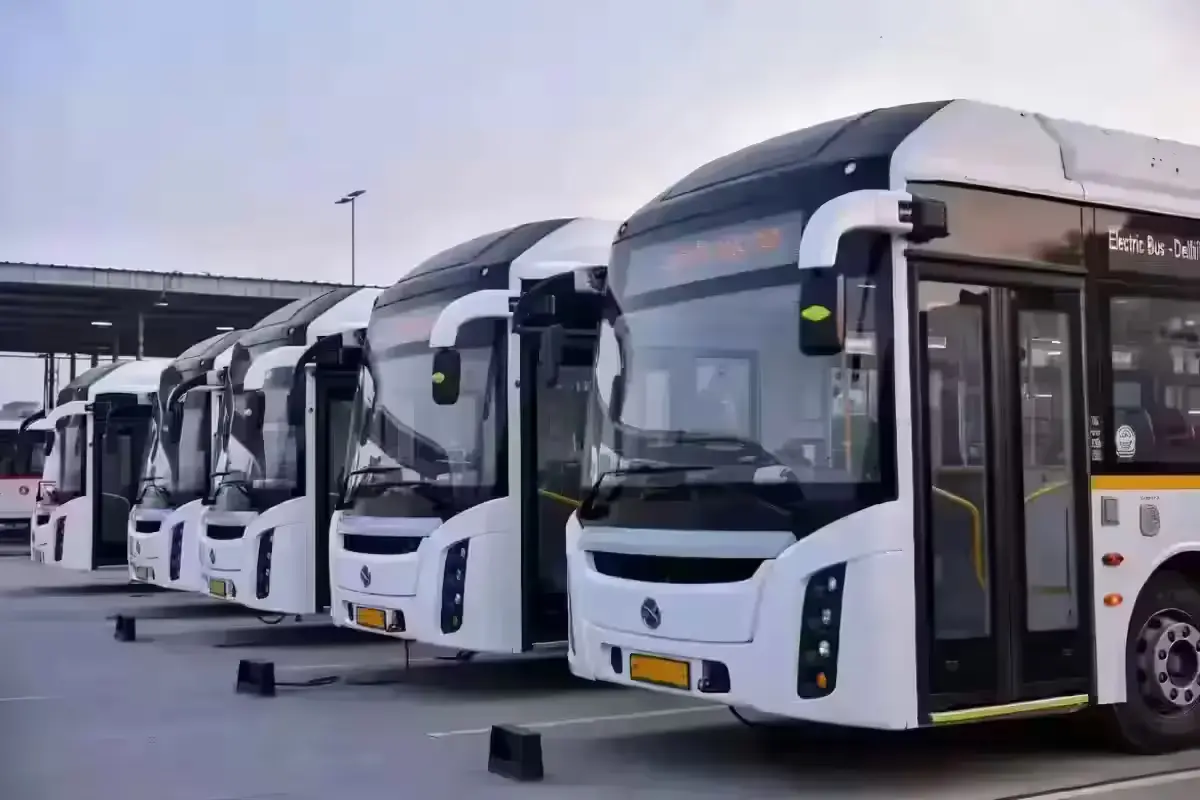
Delhi is set to significantly strengthen its public transport network this Sunday. Chief Minister Gupta will flag off 500 new electric buses, a move that marks a year in power for the current administration. This addition is not just a routine update; it pushes the city’s total electric bus fleet to a staggering 4,000 vehicles, making it one of the largest green fleets globally.
The rollout is expected to provide much-needed relief to daily commuters. For those tired of waiting at crowded stands, these 500 low-floor, noise-free buses mean shorter wait times and a much smoother ride. It’s a win for the lungs of Delhiites too, as every electric bus replaces an older, polluting diesel or CNG variant.
The Numbers Behind the Transition
- New Induction: 500 electric buses.
- Total Fleet Strength: Reaching the 4,000 mark.
- Occasion: Marking the government’s anniversary in power.
- Charging Infrastructure: Data regarding the specific number of new depots for this batch is not available in current reporting.
Analysis: Why This Matters Now
Analysts might read this as a strategic push to cement Delhi’s status as the EV capital of India. Historically, such large-scale inductions were slowed by charging infrastructure delays, but the current momentum suggests that the “back-end” logistics have finally caught up with the procurement. From a commuter perspective, the shift from 0 to 4,000 e-buses in a relatively short span is a massive logistical feat that changes the very “vibe” of city travel—less heat, less noise, and zero tailpipe emissions.

Comparing this to previous years, the pace of induction has nearly doubled. While 2023 saw smaller batches of 50-100 buses, moving to 500 in a single day shows a high level of confidence in the grid’s capacity to handle the load. Figures may shift once official updates arrive regarding the specific routes these buses will ply.
What to Expect Next
If you are a regular bus user, keep an eye on the transit apps. Most of these new buses will likely be deployed on high-frequency routes to maximize their impact on air quality. Looking ahead, the city seems on track to eventually phase out non-electric buses entirely within the next few years. It’s a bold move, and honestly, a necessary one for a city grappling with air quality issues every winter.
Frequently Asked Questions
How many electric buses does Delhi have now?
With the addition of the new 500 vehicles, the total fleet size reaches 4,000 electric buses.
What is the benefit of these buses for commuters?
These are low-floor, air-conditioned, and noise-free buses that provide a more comfortable and environment-friendly travel experience compared to older models.
Disclaimer: This report is based on current news summaries. Technical specifications and final fleet counts are subject to official verification by the Transport Department. Figures may shift once official updates arrive.
Written by: Pravin Kumar – Automotive Journalist – News Hours18 – https://www.newshours18.com