


New Horizons in Hair Regrowth: Ancient Wisdom Meets Clinical Science
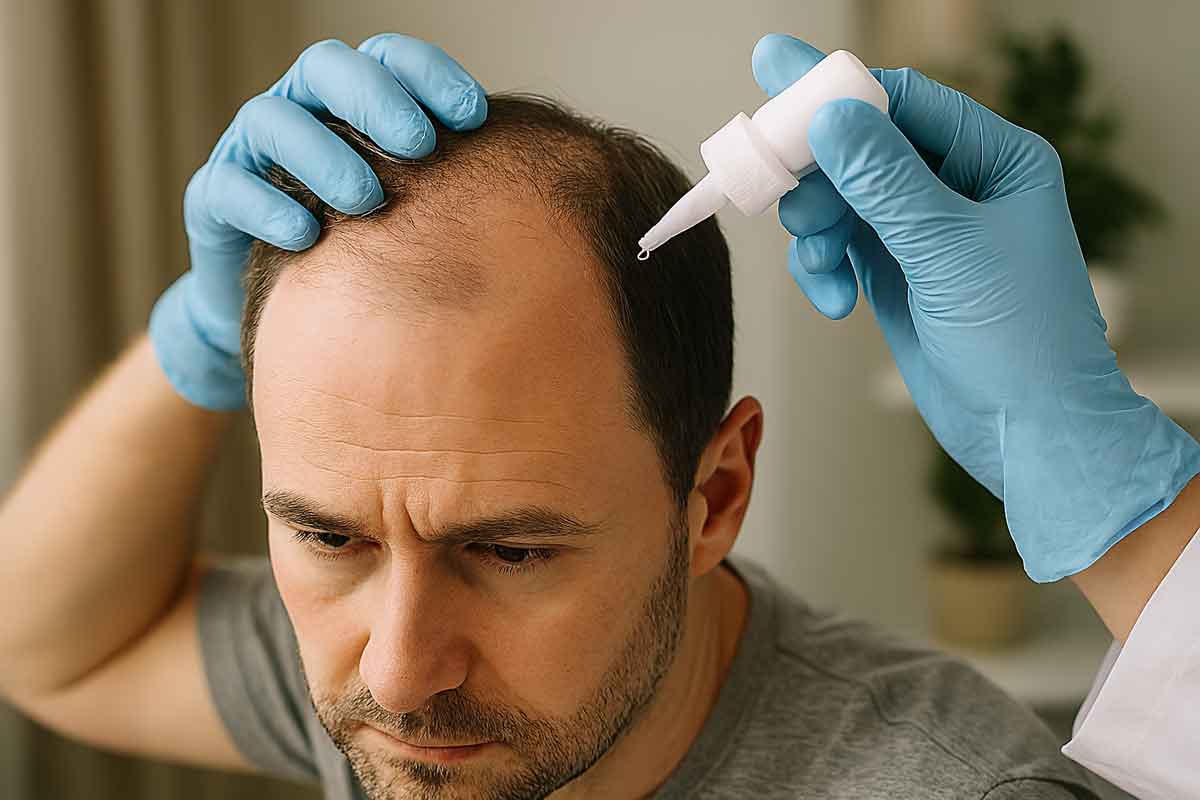
For anyone who has looked in the mirror and noticed a widening part or a receding hairline, the emotional toll is real. It’s a mix of frustration and a desperate search for something that actually works. In 2026, the conversation around hair loss is shifting away from just “covering up” the problem toward deep biological restoration. Recent reports are highlighting a surprising hero: the ancient medicinal root Polygonum multiflorum.
Validation of the Ancestral Chinese Plant
Commonly known in Traditional Chinese Medicine, Polygonum multiflorum is making headlines again following studies released in February 2026. Researchers have found that this root doesn’t just nourish the hair; it actively targets the biological triggers of hair loss. By inhibiting the effects of DHT—the hormone largely responsible for androgenetic alopecia—this plant may offer a bridge for those who are hesitant to start pharmaceutical regimens. Analysts might read this as a major pivot in the personal care sector, where “longevity” is becoming the new gold standard for scalp health.

The Shift Toward “Hairspan” and Scalp Longevity
We are seeing a move from reactive treatments to proactive scalp care. Ingredients like sulfur-enhanced microalgae and caffeine are being integrated into daily routines to extend the “hairspan”—the healthy lifecycle of a follicle. Unlike the early 2000s, which focused almost exclusively on Minoxidil, 2026 is becoming the year of the multi-targeted approach. This includes managing scalp inflammation and blood flow as much as chemical growth stimulation.
- Polygonum Multiflorum: Targets DHT and stimulates growth signaling pathways.
- Microalgae Extracts: Focuses on the scalp environment and cellular longevity.
- Rosemary & Caffeine: Natural stimulants that support surface-level circulation.
- Early Intervention: A growing trend of using botanicals before resorting to surgery.
Expert Perspective and Factual Safety
From a clinical standpoint, the data is encouraging, but caution is necessary. While the root shows incredible promise in topical applications, raw consumption has historically been linked to liver concerns. Figures may shift once official clinical updates arrive regarding long-term human trial percentages. Historically, such moves toward botanical validation have preceded major shifts in how dermatologists prescribe daily maintenance routines.

What To Do Now: A Buyer’s Perspective
If you’re looking to upgrade your routine, think of your scalp as an extension of your skincare—a concept often called “skinification.” Start by incorporating antioxidant-rich serums or shampoos containing these validated herbs. If you’ve used Minoxidil in the past, you might find that adding a botanical stimulant provides a synergistic effect. Previous data on specific 2026 microalgae yields is not available in current reporting, but the trend suggests these “longevity” ingredients will dominate the market by year-end. Don’t wait for total loss; the best results come from preserving the follicles you still have.
It’s a bit of a relief to see science finally catching up to traditional wisdom, giving us more tools in the kit to fight the thinning battle. Ek dum necessary move for those tired of side effects.
Written by: Anil Sinha – Health Information Writer – News Hours18 – https://www.newshours18.com
Frequently Asked Questions
1. Can Polygonum multiflorum replace Minoxidil?
While it shows promise in blocking DHT and stimulating growth, it is currently viewed as a powerful natural alternative or a supplementary treatment rather than a direct pharmaceutical replacement for advanced cases.
2. Is it safe to use these herbal extracts daily?
Topical applications in the form of shampoos and serums are generally considered safe for daily use, though a patch test is always recommended for those with sensitive skin.
3. Why is “scalp longevity” important?
Focusing on longevity means keeping the hair follicle in the growth (anagen) phase longer, which prevents the thinning that leads to permanent balding over time.
Disclaimer: This content is for informational purposes only and is not medical advice. Always consult with a qualified healthcare professional or dermatologist before beginning any new hair regrowth treatment.