



Heart Health 2026: From Subtle Symptoms to Modern Lifestyle Risks
As we move through American Heart Month this February, the conversation around cardiac wellness is shifting. It is no longer just about cholesterol and exercise; it is about recognizing how modern lifestyle stressors—from digital habits to workplace burnout—affect the heart. Recent reports highlight a critical need for awareness, especially as younger populations and women face unique diagnostic challenges.
Women and Heart Disease: The “Silent” Warning Signs
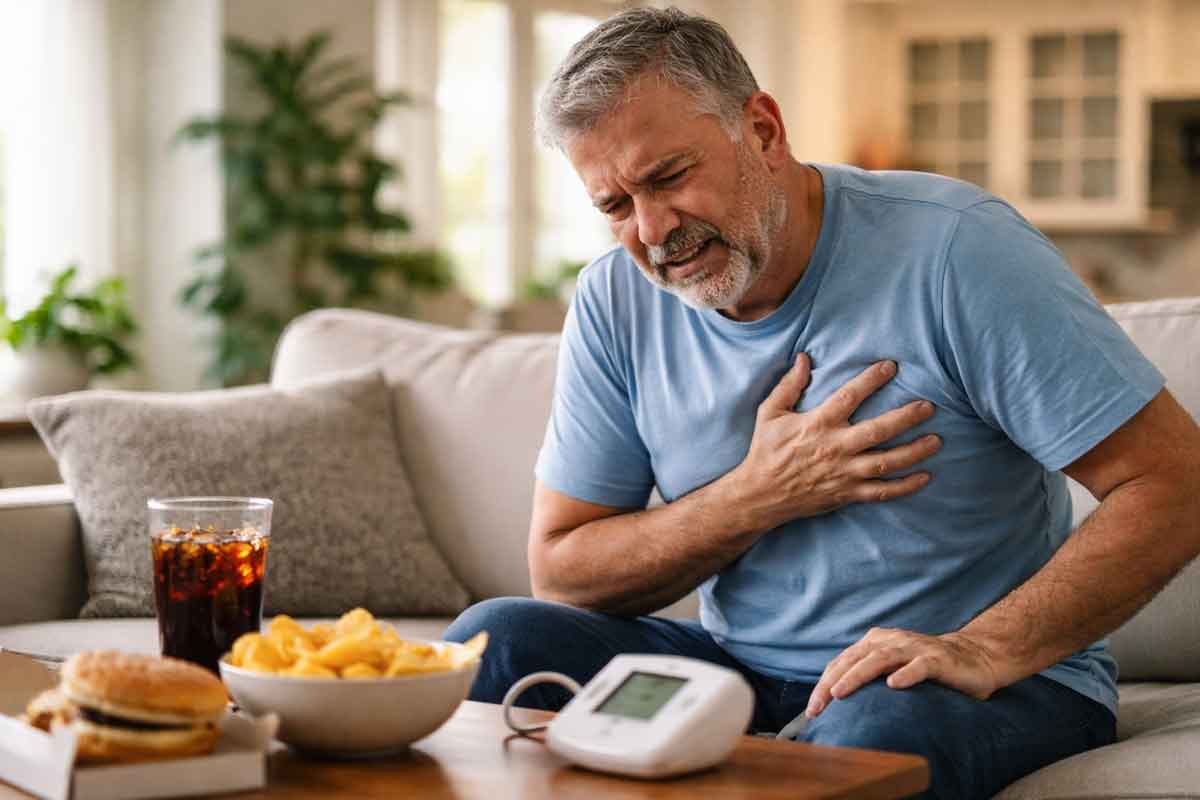
One of the most pressing issues in 2026 remains the “diagnostic gap” for women. Unlike the classic “crushing chest pain” often seen in men, women frequently experience more subtle symptoms. These can include extreme fatigue, nausea, or jaw pain. Experts emphasize that missing these signs can be fatal. Awareness campaigns, like the Ohio Valley “Women of Impact” and the “Go Red for Women” class of survivors, are working to fundraise and educate the public ahead of major events like the February 28 Heart Ball.
Protecting the Next Generation: The Screen Time Link
Cardiologists are now issuing a stern warning to parents regarding a common household habit: excessive screen time. Emerging data suggests that high sedentary digital usage in children isn’t just a behavioral issue; it’s a cardiovascular one. Replacing active play with tablets can lead to early markers of heart strain. Reducing daily screen time by just 30% can significantly improve a child’s long-term heart trajectory, offering a simple but effective preventative measure.
The Burnout Crisis in the Professional World
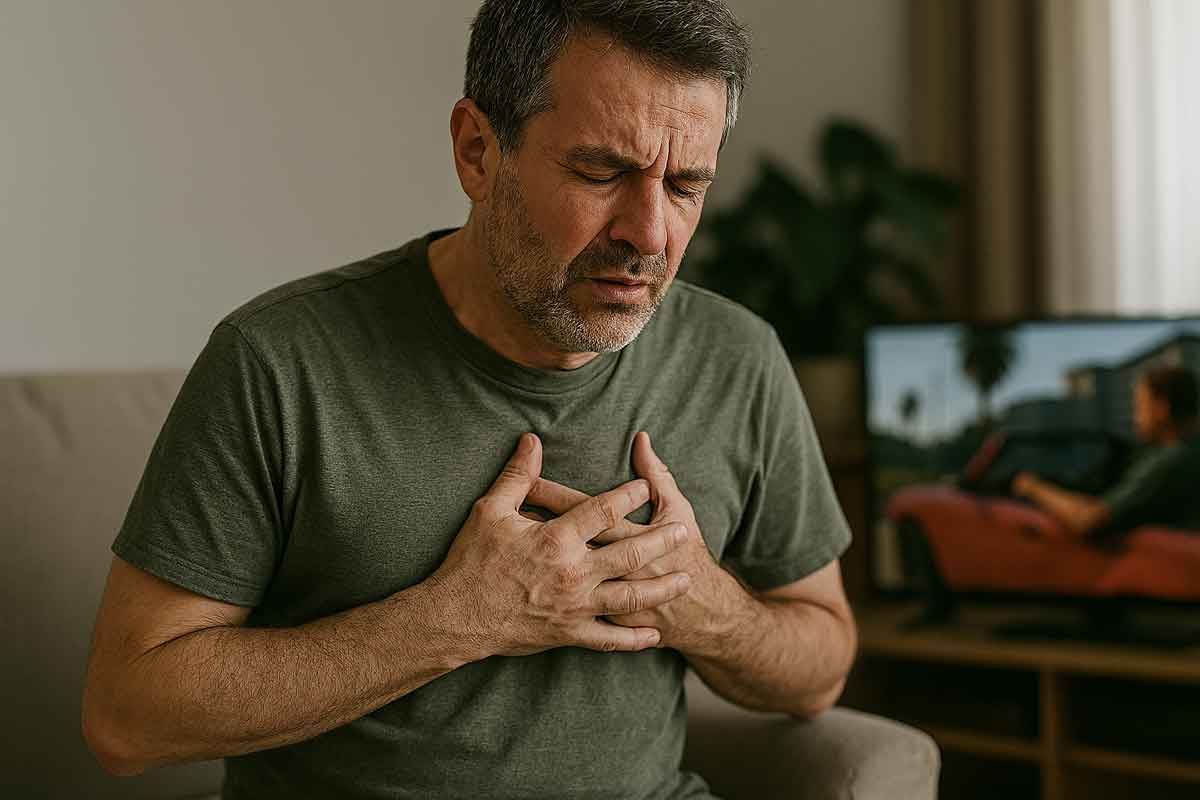
The link between mental health and physical heart health has been spotlighted by recent viral stories of workplace burnout. An entrepreneur in Bengaluru recently sparked a global debate after sharing how a “racing heart” served as a wake-up call to chronic stress. Medical professionals note that prolonged “fight or flight” states caused by work pressure can lead to arrhythmias and hypertension. Analysts suggest that companies may soon be forced to treat heart health as a core component of occupational safety.
Practical Steps for Early Detection
- Listen to the Racing Heart: If your heart races while resting, it is a signal to de-stress or consult a professional.
- Monitor Childhood Habits: Trade one hour of screen time for physical movement to protect developing hearts.
- Annual Checks: Simple screenings for blood pressure and rhythm can catch trouble before it becomes an emergency.
Historically, heart disease was seen as an “old man’s disease,” but 2026 data shows it is increasingly a lifestyle-driven issue affecting all demographics. If you feel “off”—even without chest pain—don’t ignore it. Figures and specific survivor statistics may shift once official regional updates arrive.
Written by: Anil Sinha – Health Information Writer – News Hours18 – https://www.newshours18.com
Frequently Asked Questions
1. What are the non-traditional heart attack symptoms in women?
Women may experience shortness of breath, pressure in the lower chest or upper abdomen, dizziness, lightheadedness, or extreme fatigue rather than just chest pain.
2. How does screen time affect a child’s heart?
Excessive screen time promotes a sedentary lifestyle, which is linked to higher blood pressure and increased risk of childhood obesity, both of which strain the heart early in life.
Disclaimer: This information is for educational purposes and does not substitute professional medical advice. Always consult with a cardiologist or healthcare provider for heart-related concerns.