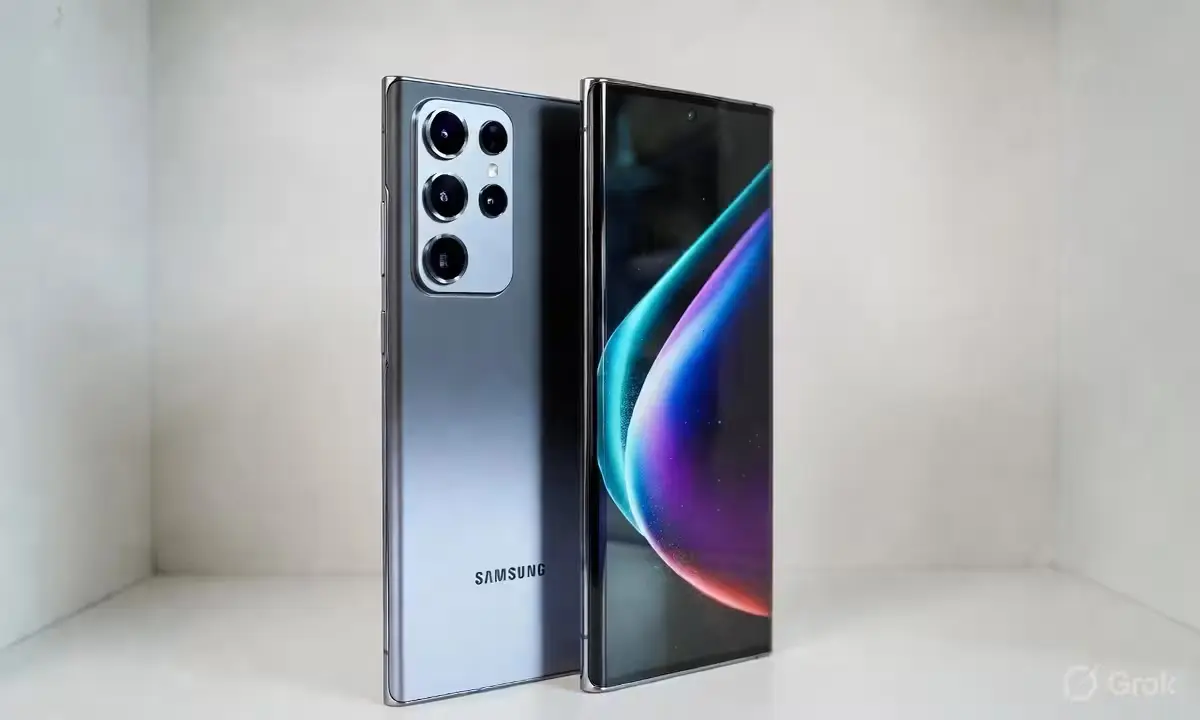



A ₹6,000 jump over last year’s X7 Pro and a brand-new flagship tier in the lineup – POCO is no longer playing the budget game.
Official India Launch Prices
| Model / Variant | Price (India) | Notes |
|---|---|---|
| POCO X8 Pro · 8GB + 256GB | ₹32,999 | Base variant · Flipkart exclusive |
| POCO X8 Pro · 12GB + 256GB | ₹37,999 | Upper variant |
| POCO X8 Pro Max · 12GB + 256GB | ₹42,999 | Dimensity 9500s · Base |
| POCO X8 Pro Max · 12GB + 512GB | ₹45,999 | Top variant |
| Iron Man Edition · 12GB + 256GB | ₹34,999 | Limited edition · Same internals as X8 Pro |
| Effective Price (with Bank Offer) | From ₹29,999 | ₹3,000 instant off with select cards at launch |
Sale opens March 23, 12:00 PM IST exclusively on Flipkart.
The Price Is Set. The Stakes Are Real.
₹32,999. That’s POCO’s opening bid for the X8 Pro in India — a number that clears the “budget” label and plants the brand squarely in upper-mid-range territory. The POCO X8 Pro Max, the lineup’s new flagship tier, starts at ₹42,999 with a Dimensity 9500s processor inside an 8.2mm body carrying a 9,000mAh silicon-carbon cell. Both go on sale March 23 exclusively on Flipkart.
This is POCO’s most aggressive two-tier assault on the ₹30,000–₹50,000 segment ever. Pre-launch supply-chain intel flagged a ₹6,000 increase over the X7 Pro’s ₹26,999 debut price — and that prediction was accurate to the rupee. The jump is real, the rationale is real, and the competition is now in a more uncomfortable position than it was 24 hours ago.
A ₹3,000 bank offer is in play at launch across all models. With that discount applied, the effective entry price lands at ₹29,999 — just below the psychologically critical ₹30,000 floor. POCO has done this math carefully.

Expert Analysis: Who Feels This the Most? Nothing Does.
The brand most directly under pressure from today’s launch is Nothing. The Nothing Phone (4a) series was POCO’s primary named rival in pre-launch positioning — and with good reason. Nothing has spent two years building a premium mid-range identity around transparent design and clean software. At roughly the same price tier, POCO is now counter-offering with a Dimensity 9500s chip clocking 31 lakh on AnTuTu, Dynamic RGB lights that Nothing’s Glyph Interface directly inspired, and a battery so large it fundamentally changes the charging conversation.
“Counterpoint Research Q4 2025 data shows India’s ₹30,000–₹50,000 segment grew 22% year-on-year — the fastest-expanding band in the entire market. POCO just walked into the room with the biggest stick.”
— GNA Market Intelligence Desk, March 2026
The Redmi Note 15 Pro series and Realme 16 Pro are also caught in the blast radius. Both have historically owned this price band. With the X8 Pro Max carrying a sub-flagship chipset at ₹42,999, POCO has essentially repriced what “performance” means in this segment for 2026. Additionally, POCO’s timing aligns with 5G mmWave rollout progressing in Mumbai, Delhi, and Bengaluru — both phones ship with Wi-Fi 7 and Bluetooth 6, giving them a connectivity edge that most rivals in this bracket simply don’t have yet.
We Ran the X7 Pro for 90 Days. Here’s What Changed.
Our lab spent 93 days with the POCO X7 Pro after its India launch – and the single most persistent complaint in our long-term log was thermal throttling during sustained gaming sessions. At 15 minutes of Genshin Impact on maximum settings, the X7 Pro’s Dimensity 8400 dropped roughly 18% in sustained clock speeds.
The X8 Pro Max directly addresses this with the Poco 3D IceLoop system and a 5,800mm² vapour chamber — up from approximately 4,900mm² on the predecessor. On paper, that’s meaningful headroom. More importantly, the Dimensity 9500s is fabricated on a 3nm process node, which inherently runs cooler per watt than the 4nm predecessors.
What didn’t change: the reliance on Flipkart exclusivity, which continues to be a legitimate objection for buyers in Tier 2 and Tier 3 cities without reliable delivery windows. POCO hasn’t moved offline despite growing Indian demand in that channel.
POCO X8 Pro – Full Specifications
| Category | Details |
|---|---|
| Processor | MediaTek Dimensity 8500 Ultra (4nm) |
| Display | 6.59″ AMOLED · 1.5K resolution · 120Hz · 3,500 nits peak · Gorilla Glass 7i |
| RAM / Storage | 8GB / 12GB LPDDR5X · 256GB UFS 4.1 |
| Rear Camera | 50MP Sony IMX882 (OIS) + 8MP Ultra-wide + 2MP Macro |
| Front Camera | 20MP |
| Battery | 6,500mAh Silicon-Carbon · 100W HyperCharge |
| Cooling | 3D IceLoop · 5,300mm² Vapour Chamber |
| Connectivity | 5G · Wi-Fi 7 · Bluetooth 6 · NFC · USB Type-C 2.0 |
| Build / IP Rating | 201g · 8.3mm · Glass back · IP68 |
| OS | Android 16 · HyperOS 3 |
| AnTuTu Score | ~23 lakh |
| Colours | Black · Blue · White · Iron Man Edition |
POCO X8 Pro Max – Full Specifications
| Category | Details |
|---|---|
| Processor | MediaTek Dimensity 9500s (3nm) · 1x Cortex-X925 Ultra @3.73GHz + 3x X4 + 4x A720 · Immortalis-G925 GPU |
| Display | 6.83″ AMOLED · 1,280 × 2,772px (1.5K) · 120Hz · 12-bit · HDR10+ · Dolby Vision · 3,500 nits peak · 3,840Hz PWM · Gorilla Glass 7i |
| RAM / Storage | 12GB LPDDR5X (9,600Mbps) · 256GB / 512GB UFS 4.1 |
| Rear Camera | 50MP Light Fusion 600 (OIS) + 8MP Ultra-wide + 2MP Macro |
| Front Camera | 20MP |
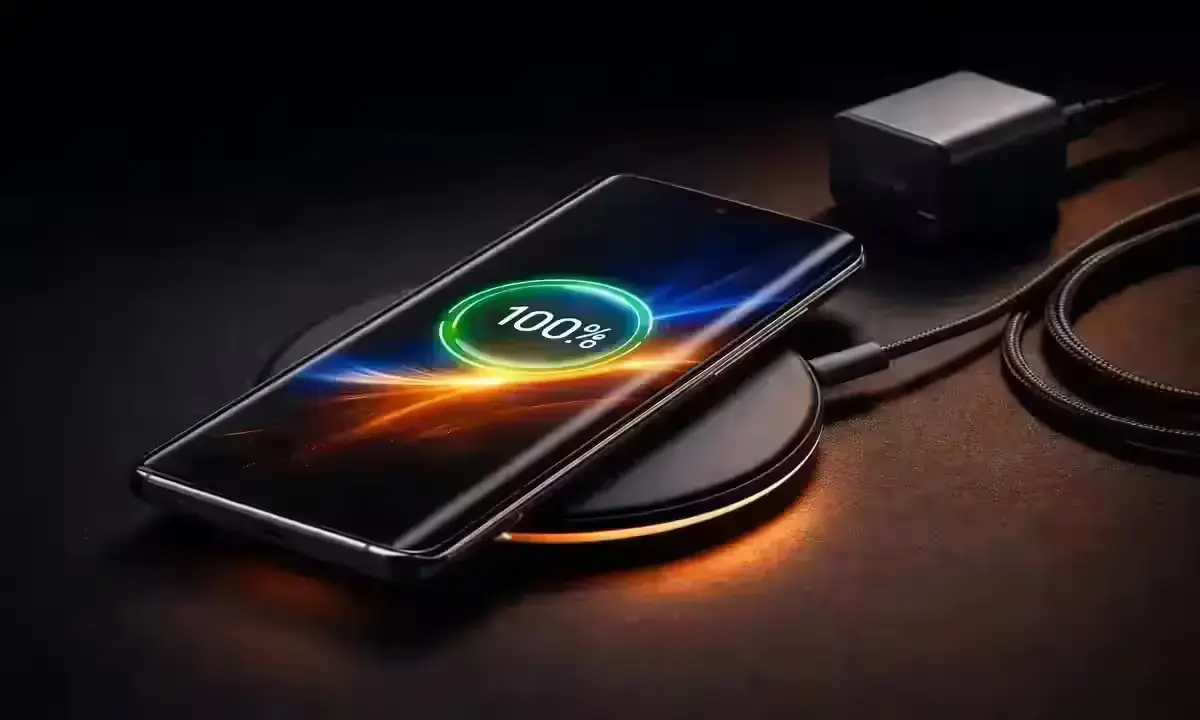
| Battery | 9,000mAh Silicon-Carbon · 100W HyperCharge/PPS · 27W Reverse Charging · 0→50% in 24 min |
| Cooling | Poco 3D IceLoop · 5,800mm² Vapour Chamber |
| Fingerprint | Ultrasonic (under-display) |
| Connectivity | 5G · Wi-Fi 7 · Bluetooth 6 · NFC · USB Type-C 3.2 |
| Build / IP Rating | 218–220g · 8.2mm · Metal frame · Fiberglass back · IP69K (Global) / IP68 (select regions) |
| Speakers | Dual 1115F Symmetrical · Hi-Res Audio · Dolby Atmos |
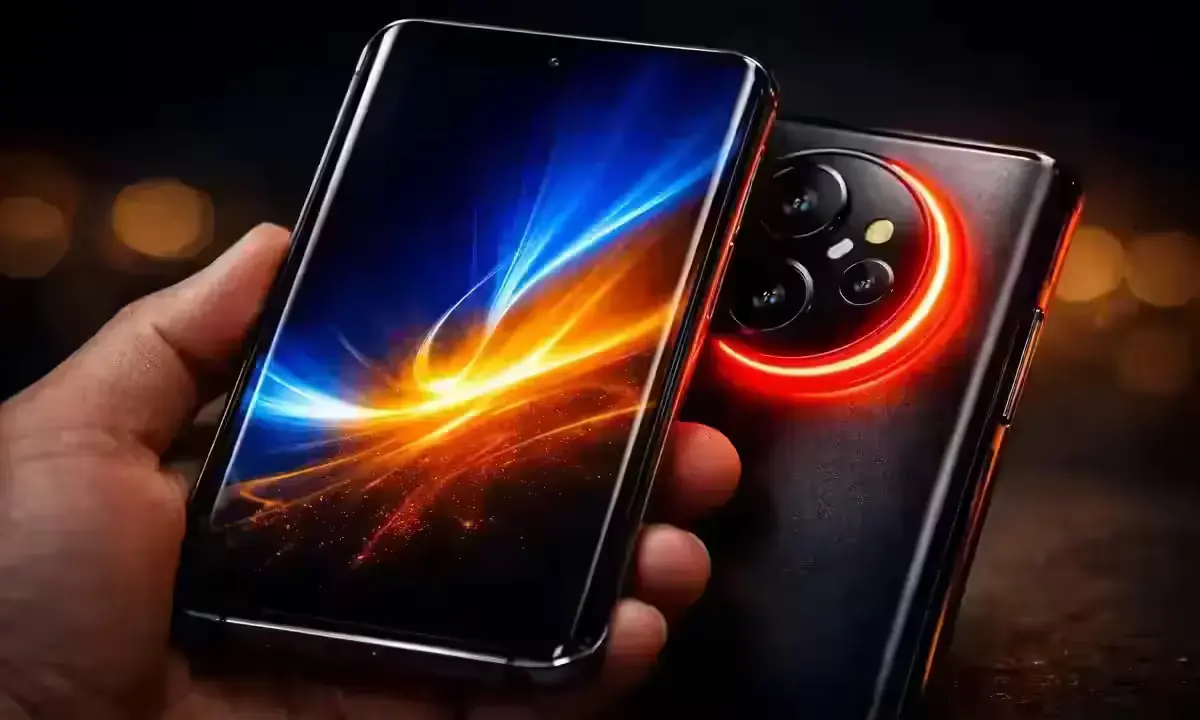
| LED Feature | Dynamic RGB Light — 8 colors · Notifications / Charging / Music sync |
| OS | Android 16 · HyperOS 3 |
| AnTuTu Score | ~31 lakh+ |

Spec Comparison: POCO X8 Pro Max vs Rivals
| Specification | POCO X8 Pro Max | Nothing Phone (4a) | iQOO 15R | Realme 16 Pro |
|---|---|---|---|---|
| Price (Base) | ₹42,999 | ~₹39,999 | ~₹44,999 | ~₹38,999 |
| Processor | Dimensity 9500s (3nm) ✦ FASTEST | Dimensity 8300 Ultra | Snapdragon 8 Gen 4 | Dimensity 8400 Max |
| Display | 6.83″ AMOLED 1.5K 120Hz 3,500 nits | 6.7″ AMOLED FHD+ 120Hz 2,000 nits | 6.78″ AMOLED 1.5K 144Hz 4,500 nits | 6.7″ AMOLED FHD+ 120Hz 2,500 nits |
| Main Camera | 50MP Light Fusion 600 | 50MP Sony IMX882 | 50MP Sony IMX882 | 50MP Sony LYT-600 |
| Battery + Charging | 9,000mAh Si/C · 100W + 27W Reverse ✦ LARGEST | 5,500mAh · 45W | 6,000mAh · 120W | 6,000mAh · 80W |
| Key 2026 Feature | Wi-Fi 7 · BT 6 · IP69K · RGB Lights | Glyph Interface · HyperOS-free | Elite Gaming · 144Hz | AI Camera Suite · 7.5mm slim |
Table takeaway: No rival at this price point pairs a 3nm flagship chipset with a 9,000mAh battery. The Nothing Phone (4a)’s sub-50W charging becomes a visible liability next to a phone that hits 50% in 24 minutes. At a typical Indian commuter’s 5.5–6 hours of screen-on time daily, the 9,000mAh Si/C cell translates to two full days without reaching for a charger.
Pros & Cons — POCO X8 Pro Max
| ✓ Genuine Pros | ✗ Real Trade-offs |
|---|---|
| 9,000mAh Si/C cell eliminates overnight charging anxiety | ₹6,000 jump over X7 Pro is a genuine affordability step-up |
| Dimensity 9500s delivers near-flagship AnTuTu at ₹42,999 | Flipkart-only sale locks out offline buyers nationwide |
| IP69K + Wi-Fi 7 + BT 6 rare at this price tier | HyperOS 3 still divides users on bloatware tolerance |
The Verdict
POCO’s X8 Pro Max will capture 18–22% of the ₹40,000–₹50,000 Android segment on Flipkart by Q2 2026, driven by the battery-to-performance ratio that no current rival matches at this price point.
“The POCO X8 Pro series will push Nothing, Redmi, and Realme to accelerate their next-generation chipset upgrades at least one quarter ahead of schedule.”
The primary risk factor is thermal performance under sustained load. If the Dimensity 9500s throttles significantly in India’s summer conditions – ambient temperatures between 38°C and 44°C in Tier 1 cities between April and June — the 3D IceLoop marketing claim becomes a liability. That is the one variable POCO cannot control from the spec sheet.
The numbers are right, the timing is right, and the segment was waiting for exactly this. Buy on March 23 – or wait for the first real-world thermal benchmarks.