

CBSE Overhauls Board Exams: Digital Marking and Bi-Annual Shifts for 2026
The Central Board of Secondary Education (CBSE) is preparing for one of its most significant technological leaps. Starting from the 2026 academic session, the board will implement On-Screen Marking (OSM) for Class 12 evaluations. This move aims to eliminate manual calculation errors and streamline the declaration of results. For many students and parents, this brings a mix of relief regarding accuracy and a bit of anxiety about how digital scrutiny might differ from traditional red-pen grading.
The Digital Shift: On-Screen Marking Explained
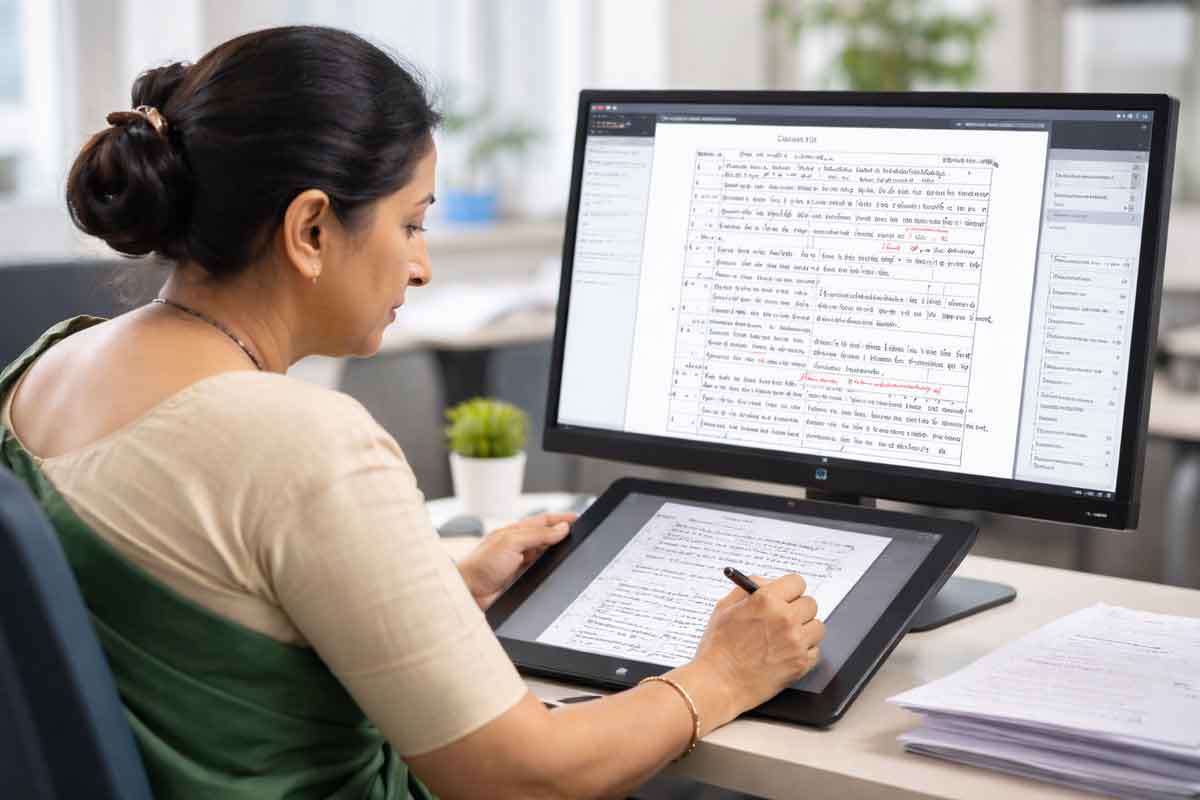
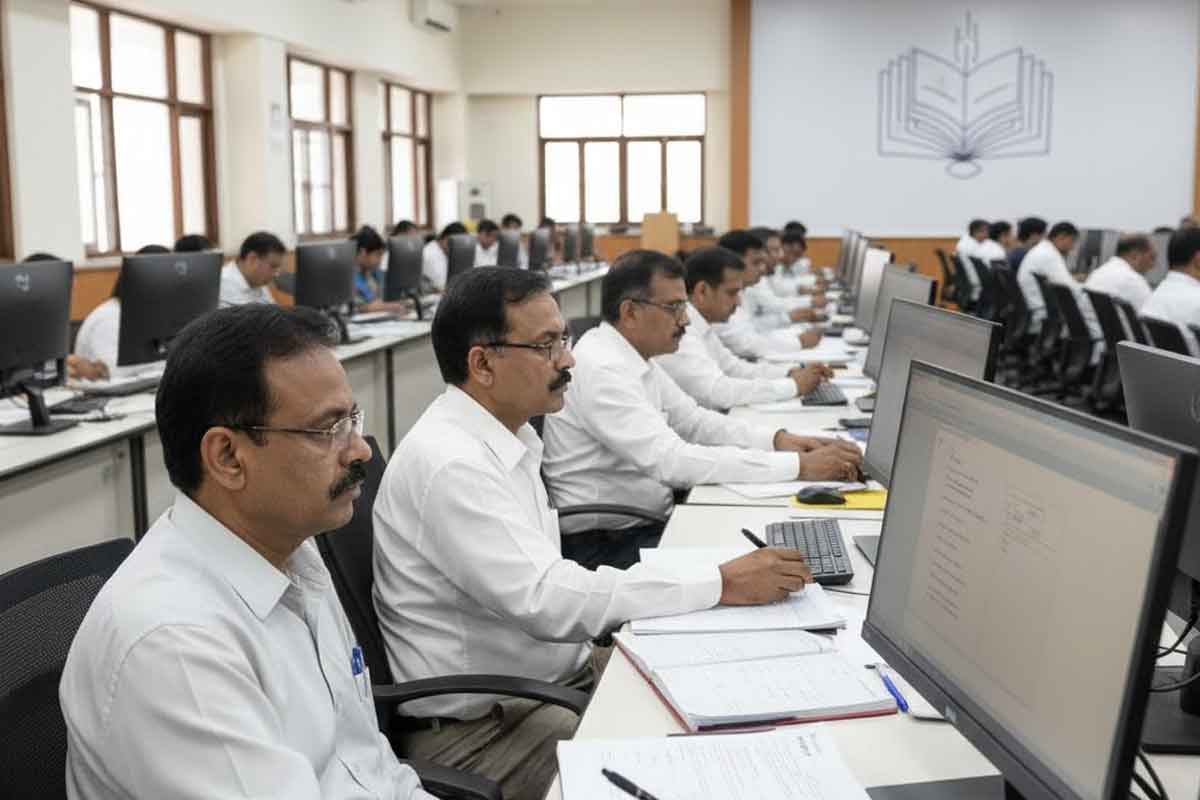
Under the new OSM system, physical answer sheets will be scanned and uploaded to a secure server. Examiners will then grade these digital copies on computer screens. This system is designed to ensure that no question goes unmarketed and that marks are totaled automatically by the software. Schools have already been directed to ensure they have the necessary technical infrastructure, including high-speed internet and updated computer labs, to facilitate this transition. Figures may shift once official updates arrive regarding the exact percentage of subjects covered in the first phase.
Two Board Exams: Choice or Compulsory?
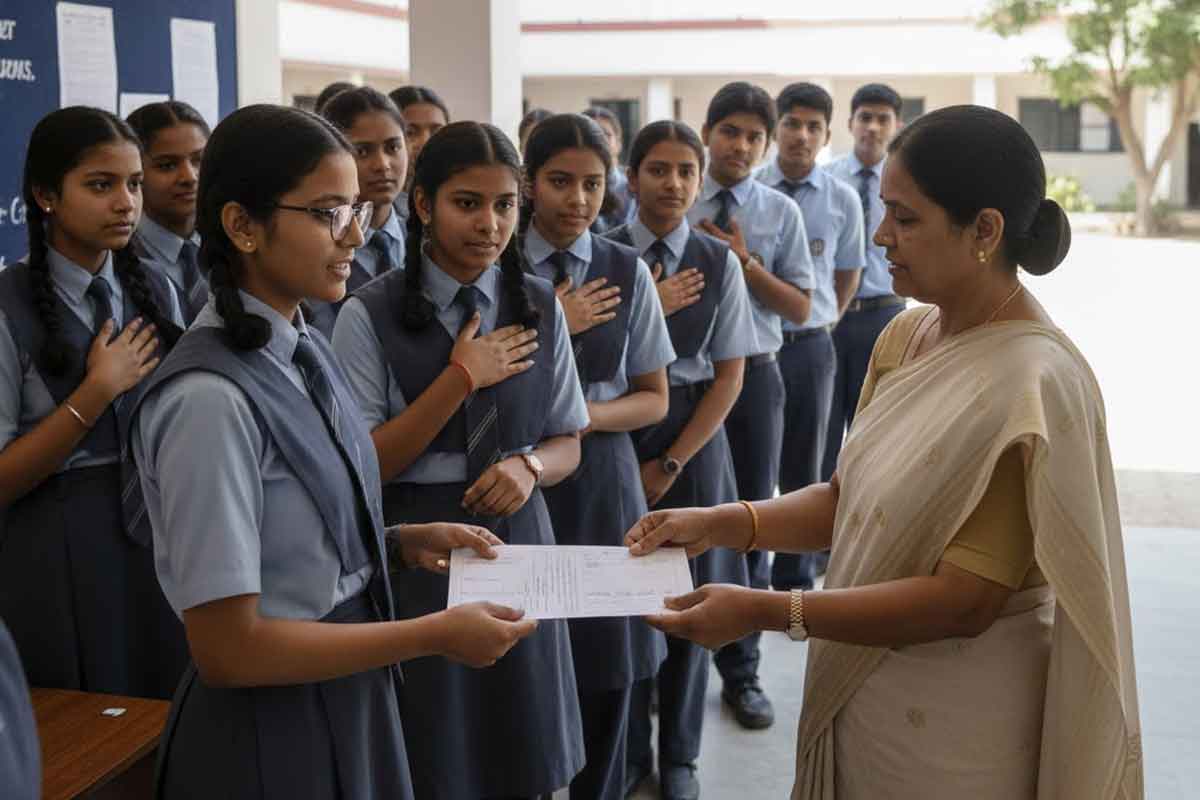
CBSE Controller of Examinations, Sanyam Bharadwaj, recently clarified the stance on the much-discussed bi-annual exams. For the 2026 cycle, the first board exam will be mandatory for all students. The second exam, held later in the year, will be optional. It is specifically designed for those who wish to improve their scores. This is a departure from the “all-or-nothing” pressure of previous years, providing a vital safety net for students who might have a bad day during the first session.
- On-Screen Marking: Class 12 physical papers to be digitized for error-free grading.
- Bi-Annual Exams: Attempt one is compulsory; attempt two is for improvement only.
- Technical Readiness: Schools must upgrade IT infrastructure by the 2026-27 session.
- Accuracy: Digital totaling prevents the common “missing marks” or “re-evaluation” hurdles.
Expert Analysis and Future Outlook
Education analysts view this move as a long-overdue alignment with global testing standards. Historically, manual evaluation in India has faced criticism for “unpredictable” marking spikes. By moving to OSM, CBSE is creating a more transparent audit trail. We can predict that this will eventually lead to a “paperless” evaluation system for Class 10 as well. This matters now because it forces schools to move beyond just teaching and into becoming tech-enabled hubs for the national board.
What Students Should Do Now
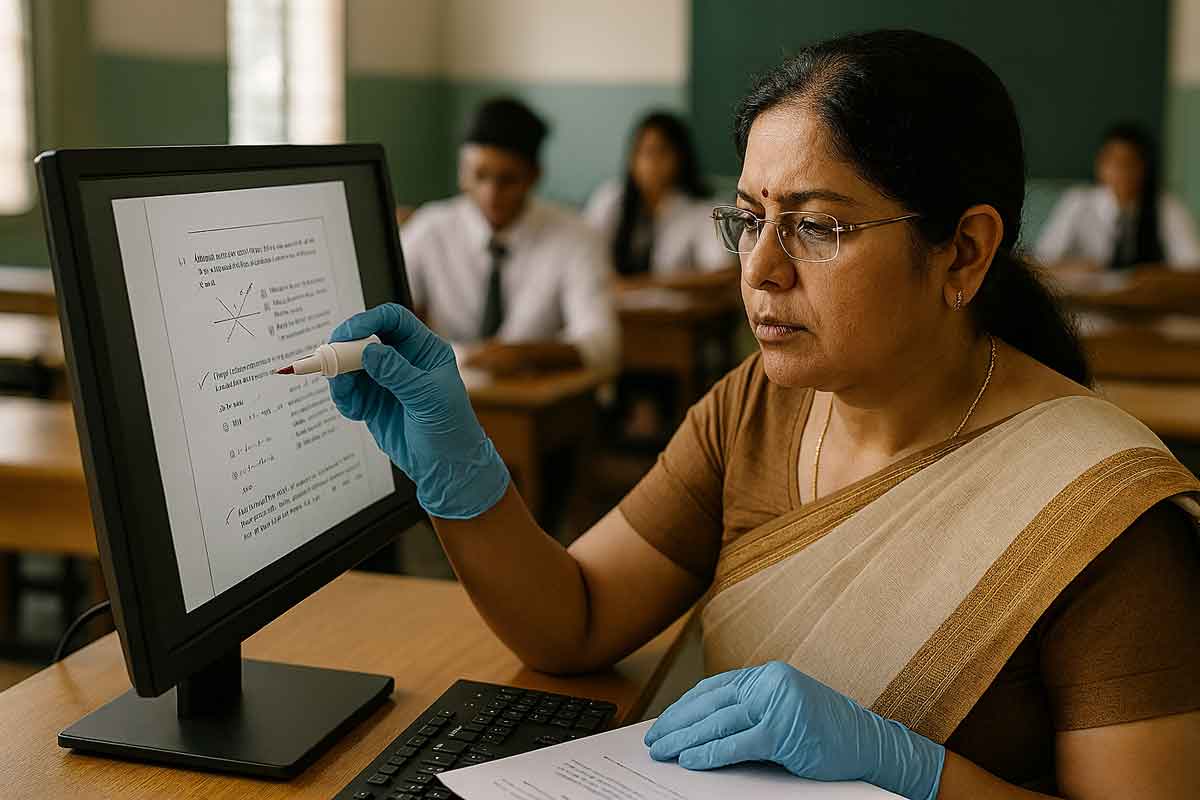
From a student’s perspective, the way you write won’t change, but your clarity must. Since papers will be scanned, using high-quality black or blue pens is more critical than ever to ensure legibility on a digital screen. Actionable tip: Start practicing on standard A4-sized sheets and avoid writing in the margins where the scanner might cut off your text. Zaroori hai to be neat, as digital zooming by examiners can highlight messy handwriting more than a physical glance would.
This is a bold step toward a stress-free exam environment. While the transition may have some initial hiccups, the promise of faster, fairer results is a huge win for the batch of 2026.
Written by: Biva – Education Desk Writer – News Hours18 – https://www.newshours18.com
Frequently Asked Questions
1. Will On-Screen Marking be applicable for Class 10 in 2026?
Currently, the official directive focuses on Class 12 for the 2026 rollout. Previous data on Class 10 implementation is not available in current reporting, but a phased expansion is expected.
2. Is the second board exam in 2026 different from a compartment exam?
Yes. The second exam is an “Improvement” opportunity open to all students to better their score, whereas compartment exams are typically for those who failed in one or more subjects.
Disclaimer: This report is based on current CBSE notifications and official statements. Rules are subject to change as per the Board’s final operational guidelines for the 2026 examination cycle.