
Can Sepsis Be Transmitted Through Saliva? Separating Fear from Fact
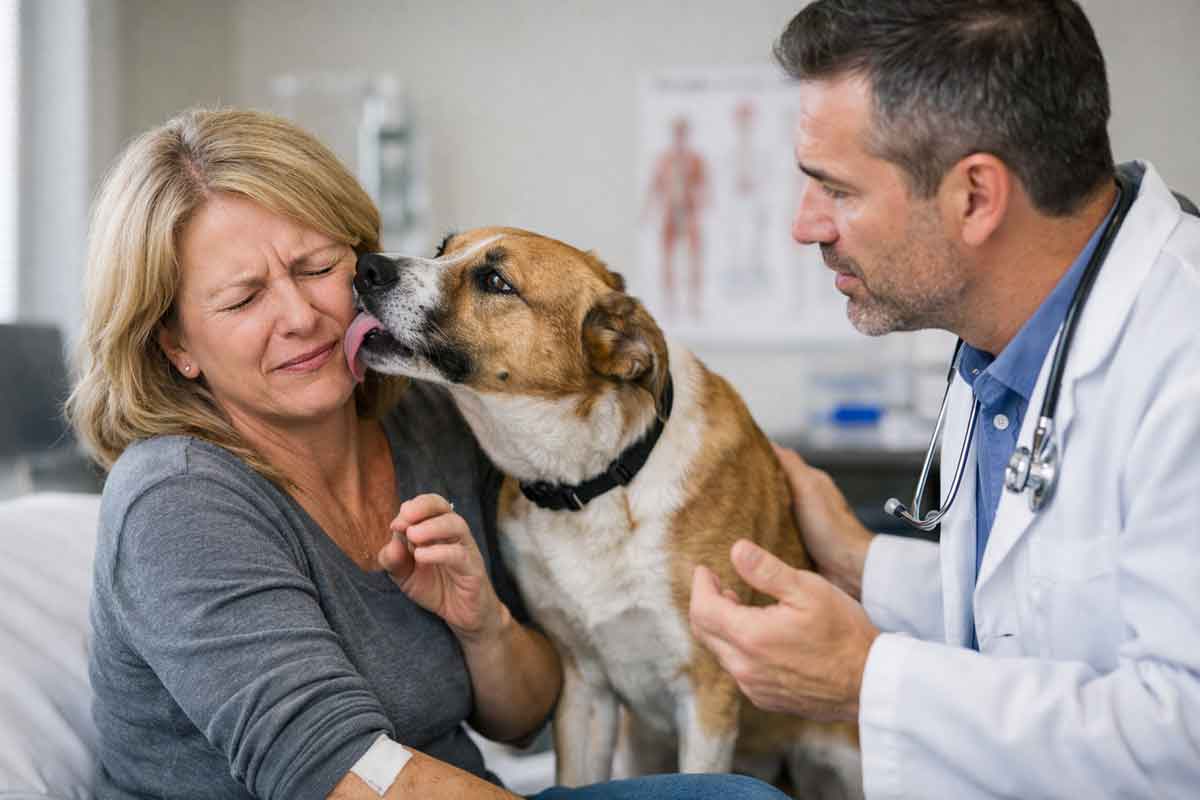
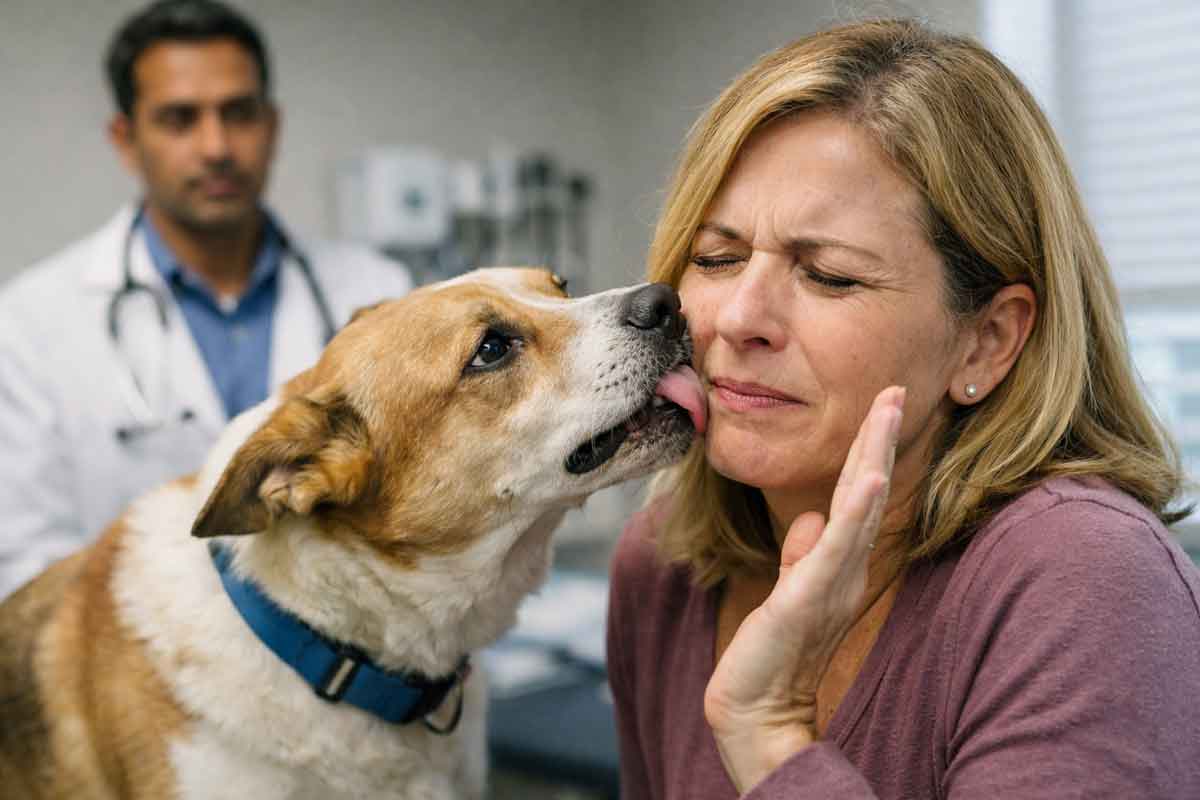
Imagine a normal day playing with your dog. He gives you a playful lick on the hand, and you think nothing of it. But for some, like a woman in Ohio who recently lost her limbs after such a lick, this simple act turned into a nightmare. It makes you wonder—can you actually “catch” sepsis from saliva? Is a kiss or a sneeze enough to put you in the ICU? The answer is a bit more complicated than a simple ‘yes’ or ‘no’, and honestly, it’s something every Indian household with pets or elderly members should understand.
First, let’s clear up a massive misunderstanding: Sepsis itself is not contagious. You cannot catch sepsis from someone else the way you catch a common flu or COVID-19. Sepsis is not a virus or a specific germ; it is your body’s “nuclear option” response to an existing infection. Think of it like a forest fire—the matchstick (the bacteria) might come from someone else, but the fire (sepsis) is how your own body reacts to it.
The Saliva Connection: How the Risk Actually Works?
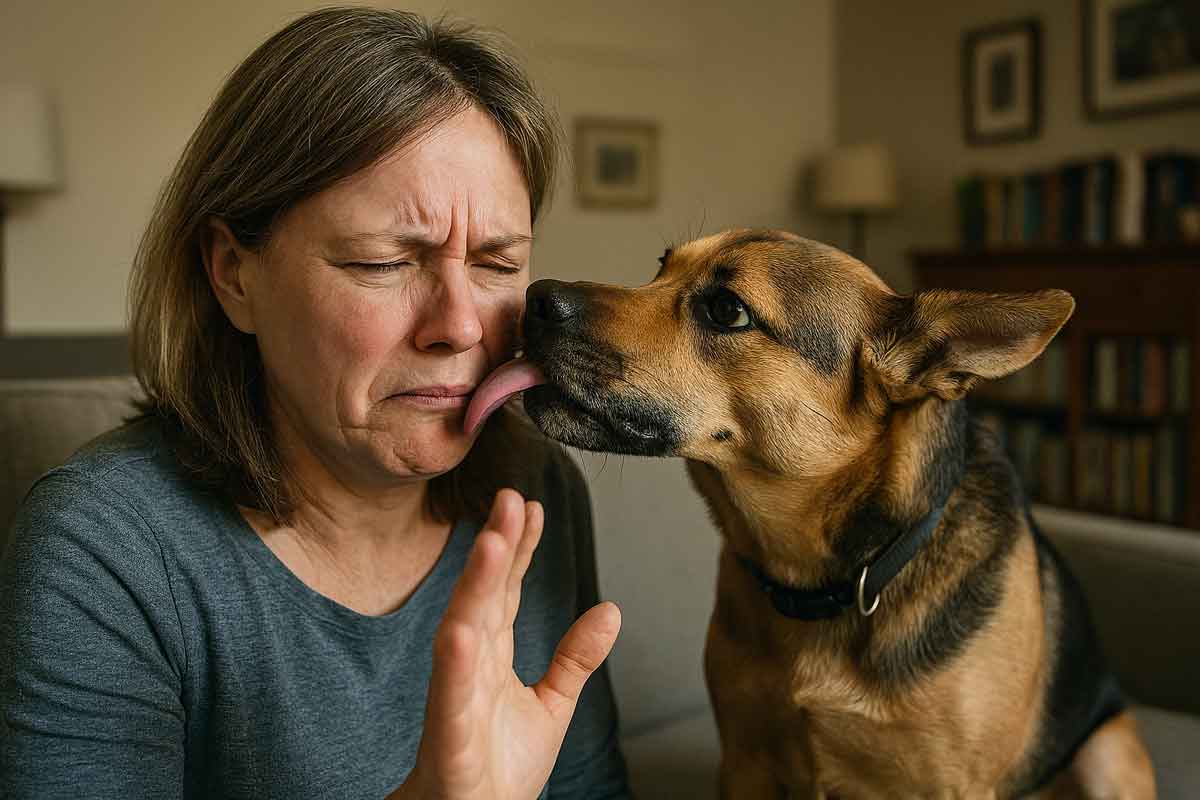
While you can’t catch sepsis, you can catch the bacteria or viruses that lead to it. Saliva is a fluid that carries a lot of “hitchhikers.” In humans, saliva can carry the flu, strep throat, or meningitis. In animals, particularly dogs and cats, saliva contains a bacterium called Capnocytophaga canimorsus. For most of us with strong immune systems, these germs don’t do much. But if they enter your bloodstream—through a cut, a scrape, or even a thin patch of skin—and your body fails to fight them off, that’s when the trouble starts.
- Direct Entry: If someone with a severe respiratory infection sneezes or coughs and their saliva enters your system, you might get their infection. If that infection gets out of control, you could develop sepsis.
- The Animal Factor: Pets carry specific bacteria that thrive in their mouths. A lick on an open wound is a direct highway for these germs into your blood.
- The “Kissing” Myth: Casual kissing rarely leads to sepsis unless there are significant mouth sores or a highly aggressive pathogen (like certain types of meningitis) being passed along.

When a “Friendly Lick” Becomes a Medical Emergency?
There have been documented cases, such as the one reported by NDTV Health, where a dog’s lick caused a woman to lose her limbs. In these rare scenarios, the bacteria Capnocytophaga enters the blood and causes the immune system to go into overdrive. Instead of just killing the germ, the body starts attacking its own organs and blood vessels. This leads to a drop in blood pressure and organ failure.
Now, don’t go panicking and avoiding your pets. These cases are extremely rare. Organizations like END SEPSIS emphasize that people with weakened immune systems, the elderly, or those without a spleen are at much higher risk. For a healthy person, a lick on intact skin is almost never a problem. The skin is a very effective shield—it’s when that shield is broken that we need to be careful.
Recognizing the “Red Flags”
Since sepsis moves fast, knowing what to look for can be the difference between a quick recovery and a long hospital stay. If you’ve had a bite, a deep lick on a wound, or a bad infection, watch out for the TIME acronym:
| T | Temperature | Higher or lower than normal (shivering). |
| I | Infection | Signs of a wound that won’t heal or looks red/angry. |
| M | Mental Decline | Confusion, sleepiness, or slurred speech. |
| E | Extremely Ill | A feeling of “I might die” or intense pain. |
Why We Shouldn’t Blame the Saliva Alone?
It is easy to point fingers at saliva, but the real culprit is often our delayed response. Sepsis is a race against time. In many clinical environments, like those discussed in NCBI research papers, the focus is on early detection. If you treat the infection early with antibiotics, it never becomes sepsis. The problem is that many people ignore the early signs—a slight fever or a red streak near a cut—until the body’s inflammatory response is already out of control.
A quick side note: Some people ask if “septic” smells (like from a septic tank) are related to sepsis. They aren’t. One is a plumbing issue; the other is a life-threatening medical emergency. It’s a common confusion because of the similar name, but they have zero connection!
A Practical Guide to Staying Safe
You don’t need to live in a bubble. Just follow some basic “common sense” hygiene, especially in a country like India where we live closely with family and often stray animals:
- Wash up: If a dog licks a cut, wash it immediately with soap and running water. It’s simple but incredibly effective.
- Don’t ignore the “small” stuff: A small bite or a scratch that starts swelling needs medical attention, not just a home remedy.
- Protect the vulnerable: If you have an elderly person at home or someone undergoing chemotherapy, keep pet licks away from their face and hands.
In the end, sepsis is a “silent killer” because it’s a master of disguise. It looks like a bad flu until it doesn’t. By understanding that saliva is just a vehicle for bacteria—and not a “contagious sepsis juice”—we can stay calm and take the right precautions without unnecessary fear.
Would you like me to explain the specific signs of Ancient Root Shows Promise for Hair Regrowth?
FAQ
1. Can I get sepsis from someone coughing on me?
No, you cannot “catch” sepsis. However, you can catch the underlying infection (like pneumonia) that might later lead to sepsis if your body cannot fight it off.
2. Why did that woman lose her limbs from a dog lick?
The dog’s saliva contained Capnocytophaga bacteria. It entered her blood, causing her body to go into “septic shock.” This led to extremely low blood pressure and blood clots that cut off circulation to her hands and feet.
3. Is kissing a person with sepsis dangerous?
Sepsis itself isn’t passed through a kiss. However, the bacteria causing their illness might be present in their saliva. If you are healthy, the risk is low, but it’s always better to practice good hygiene around anyone with a severe infection.
Disclaimer : This article is for informational purposes only and does not constitute professional medical advice. If you suspect someone has sepsis, seek emergency medical care immediately.
Written by: Anil Sinha – Health Desk – News Hours18